
Buyback Guide 2025: Everything You Need to Know
Buyback programs are transforming how people manage finances, upgrade devices, and invest in 2025. As the buyback landscape expands, understanding its mechanics is key to unlocking value, whether you are dealing with student loans, trading in electronics, or navigating stock investments.
This guide explains what buybacks mean in each context, outlines the latest eligibility rules, and walks you step by step through each process. Discover the pros and cons, find answers to your most pressing questions, and learn how to maximize your buyback benefits this year.
Ready to make smarter choices and gain more from buyback opportunities? Let’s get started.
What Is a Buyback? Definitions and Types
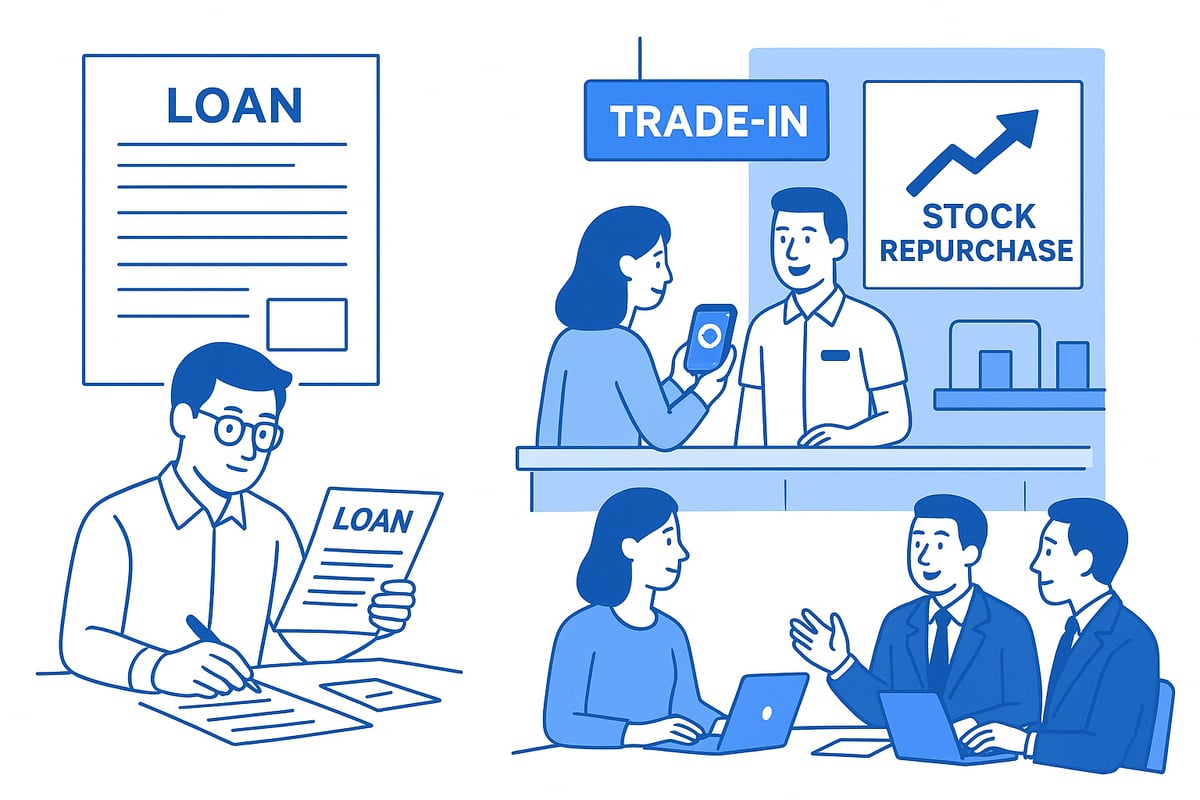
A buyback is a transaction where an entity repurchases something it previously sold or issued. In 2025, buybacks have become a key financial tool across several areas, from student loans and electronics to corporate stocks.
Buybacks in the loan context often refer to programs allowing borrowers to reclaim missed qualifying months for forgiveness, such as the Federal Student Loan PSLF buyback. This option helps borrowers correct gaps in their repayment history by paying a calculated amount, bringing them closer to loan forgiveness.
For consumer electronics, buyback programs let individuals trade in devices like smartphones or laptops for cash or credit. These programs typically assess the device’s model, condition, and age to determine value. With sustainability concerns rising, device buybacks are helping reduce e-waste, with platforms reporting notable growth in trade-ins year over year.
In corporate finance, a buyback occurs when a company repurchases its own shares from shareholders. This move can boost share prices and earnings per share, signaling confidence in company performance. According to Stock Buyback Statistics, U.S. companies are on track to hit record levels in 2025, reflecting strong market momentum.
Let’s break down the main types of buyback:
| Type | Who Participates | What’s Repurchased | Key Benefit |
|---|---|---|---|
| Loan Buyback | Borrowers, lenders | Missed loan periods | Loan forgiveness, credit repair |
| Device Buyback | Consumers, retailers | Used electronics | Cash, credit, e-waste reduction |
| Stock Buyback | Companies, investors | Corporate shares | Higher share value, investor trust |
Why are buybacks surging in 2025? For loans, regulatory updates have expanded eligibility and streamlined processes. Device buybacks are thriving as consumers seek financial relief and eco-friendly options. In the stock market, increased buyback activity reflects corporate optimism and strategies to return value to shareholders.
For example, a public service worker may use the PSLF buyback to purchase back 12 months of ineligible loan periods, qualifying for forgiveness sooner. A consumer might trade in a two-year-old smartphone through a buyback program, receiving instant credit toward a new device. Meanwhile, a tech company could announce a major stock buyback, boosting investor confidence and share price.
Overall, the buyback is a versatile tool in today’s economy, offering financial, environmental, and strategic benefits to individuals and organizations. Understanding each buyback type is essential for making informed decisions in 2025.
How Buyback Programs Work: Step-by-Step Process
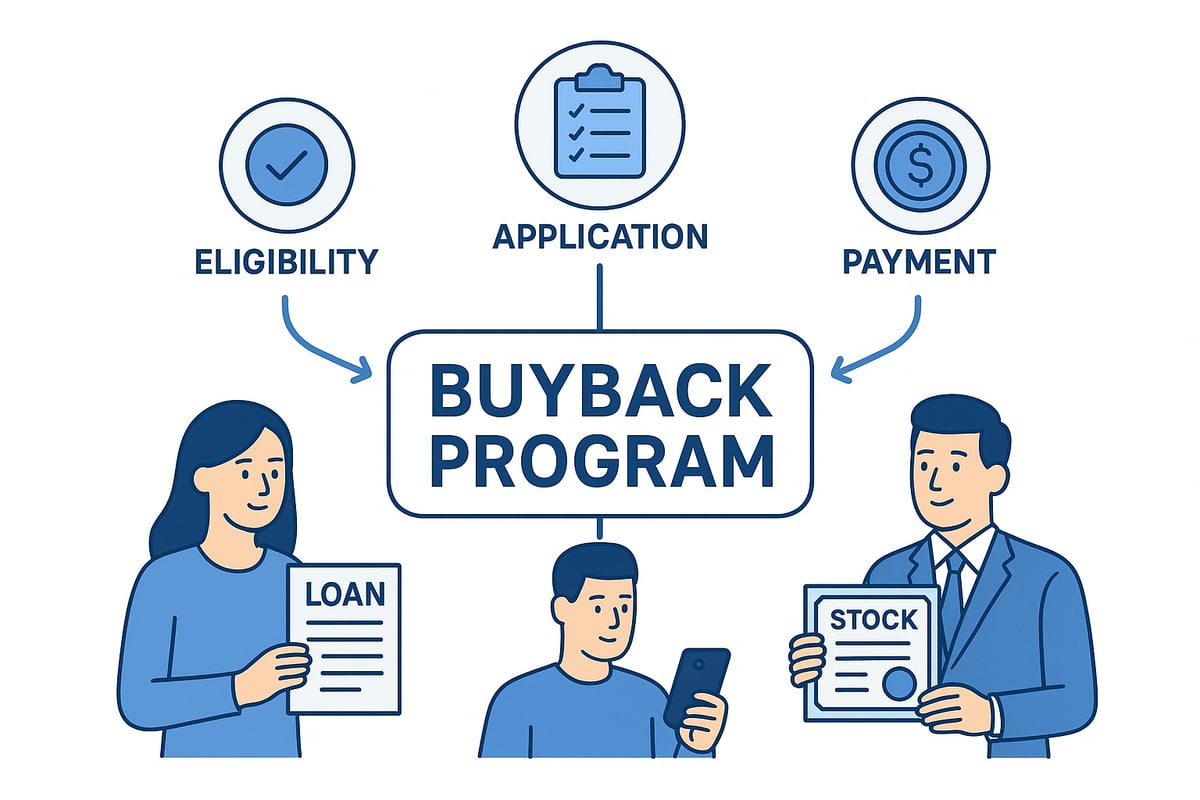
Understanding how a buyback program operates is essential for anyone looking to maximize value in 2025. Each buyback type, whether for loans, electronics, or stocks, follows a structured process with specific requirements and timelines. Knowing what to expect at every stage can help you avoid delays and ensure a smooth experience.
Understanding Eligibility Criteria
Before starting with any buyback, it is vital to check if you meet the program’s eligibility criteria. Each buyback program sets its own requirements, which can vary significantly depending on the type.
For student loan buyback programs, such as the Public Service Loan Forgiveness (PSLF) buyback, eligibility typically requires 120 months of qualifying employment. Only payments made on Direct Loans count, and periods in default, in-school status, or grace periods are not eligible for buyback. Non-Direct loans or loans already paid in full are excluded.
For device buybacks, eligibility generally depends on the device’s condition, model, and brand. Most programs accept recent models in good working order, though some accept devices with minor defects at a reduced buyback value. Devices reported as stolen or locked are commonly excluded.
Stock buybacks require shareholders to own eligible shares during a designated buyback window. Some buyback offers restrict participation to certain investor classes or require holding shares for a minimum period.
Common exclusions in any buyback include incomplete documentation, missed deadlines, or not meeting program-specific criteria. For example, PSLF buyback will not count periods of forbearance unless you qualify under new regulations. On average, about 65% of PSLF buyback applicants are found eligible after documentation review, while device buyback eligibility rates are higher due to less stringent conditions.
Checking eligibility early ensures your buyback application is not delayed or denied. Always consult the latest program guidelines, as requirements may change with regulatory updates.
The Buyback Application Process
Once you confirm eligibility, the next step is to navigate the buyback application process. Each buyback program has its own sequence of steps, but some common elements apply across categories.
For student loan buybacks like PSLF, start by researching the program’s current rules. Gather all employment certification forms and payment records. You’ll need to verify each qualifying month, especially if you want to buy back periods spent in forbearance or deferment. Submit your documentation to the loan servicer, who will review and confirm your eligibility. Once approved, you’ll receive a buyback offer detailing the amount due and payment instructions.
Device buyback programs are typically more straightforward. Visit the platform’s website, enter your device details, and receive an instant online quote. If you accept, print the shipping label, send in your device, and wait for inspection. After confirmation, payment is processed, usually within a few days.
Stock buybacks require responding to the company’s buyback offer. This may involve tendering your shares through your brokerage account or participating in a Dutch auction. Documentation typically includes proof of ownership and acceptance of the buyback terms.
Processing times vary. PSLF buyback can take up to 90 days from application to payment. Device buybacks are faster, often completed in under a week. Stock buybacks depend on the offer’s terms and market conditions.
For a broader perspective on the recent surge in buyback activity, you can refer to the Buyback Boom 2025 Analysis, which explores strategic implications for both companies and participants.
Careful preparation and timely submission of all required forms are key to a successful buyback application.
Payment and Completion
After your buyback application is approved, understanding the payment and completion process is crucial. The buyback amount is calculated differently for each program.
In the PSLF buyback, the amount you owe is based on what you would have paid under an income-driven repayment plan during the periods being bought back. Family size and income at the time are factored in. Once you receive the buyback offer, you typically have 90 days to make the payment. Multiple payment options are available, including electronic transfer and checks. Missing the payment deadline can void your buyback agreement, requiring you to restart the process.
Device buyback payouts are based on current market value, device condition, and included accessories. Payments are made via direct deposit, PayPal, or store credit. Most platforms process payment within 2–5 business days after receiving and inspecting the device. If the device is valued higher than the initial quote, you may receive an updated payout.
Stock buyback payments depend on the offer type and the number of shares tendered. Cash is credited directly to your brokerage account after the buyback window closes. Share cancellation occurs after payment, reducing outstanding shares and potentially increasing share value.
Refund policies vary. For PSLF buybacks, overpayments are refunded, but late payments may result in voided agreements. Device buybacks may return your device if you disagree with the final offer.
On average, PSLF buyback amounts range from $2,000 to $8,000 per borrower, device buybacks average $150–$400 per transaction, and stock buybacks can result in significant shareholder gains depending on market trends.
Understanding each step of the buyback process helps you avoid costly mistakes and ensures you receive your full benefit.
Buyback Programs by Category: Loans, Devices, and Stocks
Understanding buyback programs in 2025 means recognizing how they benefit individuals and organizations across three main areas: student loans, consumer devices, and corporate stocks. Each category operates differently, with unique eligibility, processes, and advantages. Let's break down how each buyback type works and what makes them valuable this year.

Student Loan Buybacks (e.g., PSLF Buyback)
In 2025, student loan buyback programs, especially within Public Service Loan Forgiveness (PSLF), are more popular than ever. The buyback process allows borrowers to retroactively count certain periods of forbearance or deferment toward their 120 qualifying months of public service employment. To be eligible, your loans must be Direct Loans, and you must have worked full-time for a qualifying employer.
The buyback amount is calculated based on your income and family size during the original period, not your current financial situation. This detail can make a significant difference in the amount you need to pay to buy back those months. Recent regulatory updates now allow more periods to qualify, especially for borrowers affected by past technicalities or administrative errors.
Suppose you have 118 out of 120 qualifying months for PSLF, but two months were spent in forbearance. Through the buyback program, you can pay the calculated amount for those two months, making you immediately eligible for loan forgiveness once payment is complete. According to recent data, the average borrower buys back 6 to 8 months, accelerating their path to debt relief.
The buyback process involves certifying your employment, verifying eligible months, and submitting the required documentation. Restrictions apply if your loans were consolidated or paid in full before the buyback request. Overall, student loan buyback is a powerful tool for those aiming to resolve their debt and improve their financial outlook.
Device Buybacks (e.g., Smartphones, Laptops)
Device buyback programs are an increasingly common way for consumers to exchange old electronics for cash or store credit. In 2025, platforms like Back Market, major manufacturers, and wireless carriers have expanded their buyback offerings to include more devices, from smartphones to laptops and tablets.
Eligibility typically depends on the device's model, age, condition, and whether you include essential accessories. The buyback process starts with an online quote based on your device's details. If you accept the offer, you ship your device for inspection. Once verified, you receive payment or store credit, often within a few days.
This type of buyback not only puts money back in your pocket but also supports e-waste reduction efforts. According to Back Market, device trade-ins have grown by over 30% year-over-year, with millions of devices recycled or refurbished annually. For example, the average iPhone buyback value in 2025 is up 12% compared to previous years, reflecting higher demand for late-model devices.
Environmental benefits are significant, as every device buyback helps keep electronics out of landfills and reduces the need for new raw materials. Whether you're upgrading or simply decluttering, device buyback programs offer a convenient, eco-friendly solution for consumers.
Corporate Stock Buybacks
Corporate stock buyback programs remain a key financial strategy for companies in 2025. A stock buyback occurs when a company repurchases its own shares from the open market or directly from shareholders. The goal is often to boost earnings per share, return capital to shareholders, or signal confidence in the company's future.
Eligibility to participate in a stock buyback typically depends on your status as a shareholder and the timing of the buyback window. Companies may use several methods, including open market purchases, tender offers, or Dutch auctions. Regulatory oversight has increased, with new rules in 2025 aimed at enhancing transparency and protecting investors.
The impact of buybacks can be far-reaching. For shareholders, a buyback may increase the value of remaining shares by reducing supply. For companies, it provides flexibility in capital management. In 2025, aggregate S&P 500 buybacks reached $235 billion in Q2 alone, as detailed in the S&P 500 Q2 2025 Buybacks Report.
Consider a company announcing a tender offer, inviting shareholders to sell their shares at a premium. Shareholders can choose to participate, often receiving cash above current market value. As buyback activity continues to set records, understanding the mechanics and implications of these programs is crucial for investors and companies alike.
Pros and Cons of Buyback Programs
As buyback programs surge in popularity for 2025, understanding both their benefits and potential pitfalls is essential. Whether you are considering a student loan buyback, trading in a device, or evaluating a corporate share buyback, weighing the pros and cons can help you make informed decisions.
Advantages of Participating in Buybacks
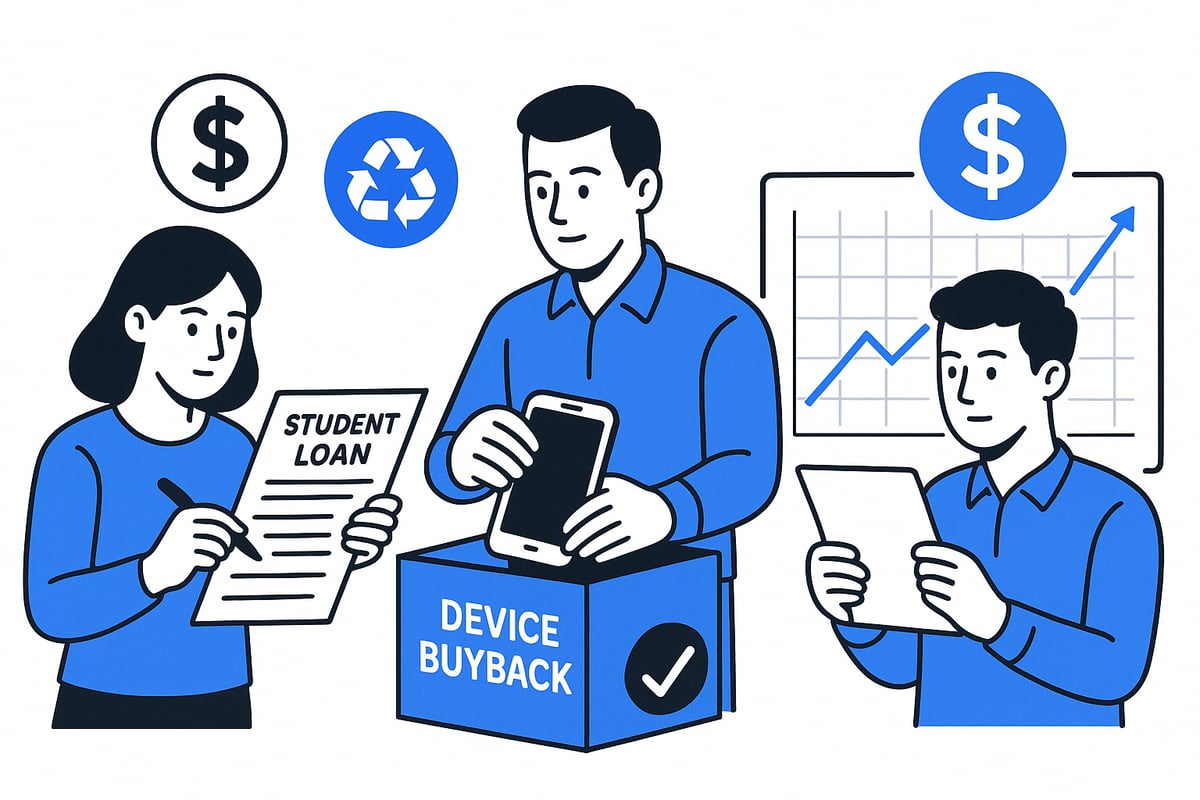
Buyback programs offer several compelling advantages for consumers, investors, and borrowers. Financially, these programs provide opportunities for cash payouts, debt relief, or increased share value. For example, a student loan buyback can lead to significant loan forgiveness after purchasing eligible months, improving long-term financial stability.
Device buyback programs make it easy to unlock value from older technology. Instead of letting unused electronics gather dust, you can trade them in for cash or credit, supporting both your wallet and environmental goals. In 2025, device trade-in rates have climbed, reflecting growing consumer awareness around e-waste and sustainability.
Stock buyback initiatives can reward shareholders by increasing earnings per share and boosting stock prices. Companies often use buyback strategies to return value directly to investors, a trend highlighted by recent U.S. Stock Buybacks Record 2025 reports. These programs can also signal management’s confidence in the company’s outlook.
Additional benefits include:
- Flexibility to participate at your convenience
- Quick access to funds or forgiveness
- Enhanced personal credit or financial profiles
- Contribution to recycling and reduced environmental impact
Example: A borrower with nearly enough qualifying months for PSLF achieves loan forgiveness by using a buyback, saving thousands of dollars.
Table: Pros of Buyback Programs
| Type | Main Benefit | Example Outcome |
|---|---|---|
| Student Loan | Debt Forgiveness | Loan balance erased |
| Device | Cash/Credit + Green | Money + e-waste reduced |
| Corporate Stock | Increased Share Value | Stock price appreciation |
Potential Drawbacks and Risks
Despite their appeal, buyback programs come with certain drawbacks and risks. Eligibility can be restrictive, with strict guidelines on qualifying loans, device conditions, or stockholder status. Missing documentation or deadlines can void buyback opportunities, as seen when borrowers fail to complete PSLF buyback payments on time.
Financial risks also exist. Devices may be undervalued in trade-in programs, and share buybacks can have tax implications for investors. Sometimes, alternative solutions, such as refinancing loans or selling devices privately, may offer better value than a standard buyback.
Regulatory changes can introduce uncertainty. Rules around student loan buyback eligibility or corporate buyback limits may shift, affecting your ability to participate. In 2025, some applicants found their buyback requests denied due to updated program terms.
Other potential drawbacks:
- Complex paperwork or lengthy approval processes
- Risk of overpaying or not receiving expected value
- Limited refund or appeal options if issues arise
Example: A consumer sends in a device for buyback but receives a lower-than-expected payout due to hidden condition issues.
Table: Cons of Buyback Programs
| Drawback | Impact |
|---|---|
| Eligibility Restrictions | Fewer participants qualify |
| Valuation Risks | Lower payouts than expected |
| Regulatory Uncertainty | Program terms may change |
| Administrative Burden | Time-consuming documentation |
In summary, every buyback program presents a unique mix of benefits and challenges. By understanding these factors, you can make strategic choices that align with your financial and personal goals.
Frequently Asked Questions About Buybacks in 2025
Navigating buyback programs in 2025 can be complex, especially as new rules and opportunities emerge. Below, we answer the most frequent questions about buyback options, eligibility, and participation. Use this guide to understand how buyback programs may impact your finances and help you make informed decisions.
What types of buybacks are available in 2025?
In 2025, buyback programs span student loans, electronics, and corporate stocks. Student loan buyback, such as PSLF, allows borrowers to regain credit for certain payments. Device buyback lets consumers trade in electronics for cash or credit. Corporate buyback includes stock repurchases and even management buyouts, where a company's leadership purchases outstanding shares.
How far back can you buy back months for student loans?
Most student loan buyback programs allow borrowers to reclaim qualifying months going back several years, depending on regulatory updates. For PSLF, borrowers may buy back periods spent in forbearance or deferment, although not all past months are eligible. Always check the latest buyback guidelines before applying.
Are buyback payouts taxable?
Buyback payouts are treated differently depending on the type. Student loan buyback resulting in forgiveness is generally not taxable under current federal law, but tax rules can change. Device buyback payouts are usually not taxed unless you profit above the device's original value. For corporate buyback, selling shares may trigger capital gains tax, so consult a tax advisor if unsure.
Can you participate in multiple buyback programs?
Yes, you can often join more than one buyback at the same time, as long as you meet eligibility for each. For example, you might complete a student loan buyback while trading in an old laptop. However, you cannot double-dip on the same asset. Each buyback program has its own rules, so read the terms carefully.
What happens if your buyback request is denied?
If your buyback application is denied, review the reason provided. Common issues include ineligible periods for student loans, device condition for tech buyback, or missing documentation. Many programs allow you to appeal or reapply after correcting errors. Keep all communications and respond promptly to avoid missing deadlines.
Can you get a refund if you overpay on a buyback?
Most buyback programs will issue a refund if you overpay, but the process varies. For student loans, overpayments are typically returned within a set period. Device buyback platforms may automatically adjust your payout if the device value changes after inspection. Always confirm refund policies before submitting payment.
How does buyback affect your credit or financial status?
Student loan buyback can improve your credit by reducing outstanding debt or achieving forgiveness. Device buyback has no direct effect on credit, but selling devices responsibly may contribute to your financial health. For stock buyback, selling shares may impact your investment portfolio, so consider the timing and potential gains or losses.
What are the most common user questions and misconceptions about buybacks?
Many users ask about eligibility, payout timing, and potential risks. A table below summarizes common questions and clarifies misconceptions:
| Common Question | Clarification |
|---|---|
| Can I buy back any loan period? | Only eligible months, per program rules |
| Is device buyback always best? | Sometimes selling privately yields more |
| Are all buyback payouts immediate? | Processing times vary by program |
| Will buyback hurt my credit? | Rarely, and often improves it for loans |
According to recent surveys, the most misunderstood aspect of buyback is the eligibility criteria, followed by confusion about tax treatment and processing times.
Maximizing Value from Buybacks: Expert Tips and Strategies
Maximizing your buyback potential in 2025 means going beyond the basics. Whether you are considering a student loan buyback, trading in electronics, or evaluating a stock buyback, the right strategy can make a significant difference. The following expert tips will help you capture the best value and avoid common pitfalls.
Assessing Timing and Preparing Your Application
Timing is everything when it comes to a buyback. For stocks, monitor market trends and corporate announcements to identify optimal buyback windows. Reviewing indicators like the Price to earnings ratio guide helps you gauge if a company’s buyback is likely to boost share value. For devices, trade in just before new model launches to get higher offers. Loan buybacks, such as PSLF, often benefit from regulatory updates or limited-time eligibility expansions.
Prepare your application by gathering all required documentation in advance. Double-check eligibility requirements specific to your buyback type. For student loans, ensure employment records and payment histories are accurate. For devices, document the condition and include all accessories. A complete, well-organized application minimizes processing delays and increases your chances of approval.
Comparing Offers and Avoiding Common Mistakes
Not all buyback programs offer the same value. Compare device buyback platforms for payout differences and terms. For loans, review how the buyback amount is calculated and look for any hidden fees. Stockholders should compare company buyback offers with market prices and tax implications.
Common mistakes can reduce your buyback benefits. Missing deadlines, submitting incomplete forms, or misunderstanding eligibility can lead to denial. In the case of loan buybacks, failing to address issues like non-performing loans can disqualify your application. For more on these risks, see Exploring non-performing loans. Always read the fine print and set reminders for critical dates.
Long-Term Planning and Strategic Case Study
Think of a buyback as part of your overall financial plan. For example, using a student loan buyback to reach forgiveness sooner can free up your budget for other goals. Trading in devices regularly not only generates cash but also reduces e-waste. Investors who strategically participate in stock buybacks can optimize portfolio returns over time.
Consider this case: A borrower with 118 qualifying months uses a buyback to purchase two more months and achieves PSLF forgiveness, saving thousands in interest. Similarly, a consumer trading in an old smartphone just before a major product launch secures a top payout. These examples show how a well-timed buyback can deliver outsized benefits.
With careful planning, comparison, and attention to detail, you can unlock the full value of any buyback opportunity in 2025.
The Future of Buybacks: Trends and Predictions for 2025
The landscape of buyback in 2025 is set for significant transformation, driven by regulatory updates, technological innovation, and a rising focus on sustainability. As participation rates continue to climb, understanding these emerging trends is crucial for anyone considering a buyback strategy.
Regulatory Shifts on the Horizon
Regulators are responding to the rapid growth of buyback programs by updating policies and increasing oversight. For student loans, 2025 is expected to bring new rules clarifying who qualifies for Public Service Loan Forgiveness buyback and how prior periods of deferment or forbearance are counted. In the corporate sector, the SEC is considering enhanced disclosure requirements for stock buyback announcements, aiming to improve transparency for investors.
A related approach in corporate finance is the use of sinking funds, which serve as structured reserves for future debt or buyback obligations. These developments reflect a shift toward greater accountability and better communication with all stakeholders.
Technology Reshaping Buyback Programs
Technological advancements are revolutionizing the buyback experience. In 2025, expect to see AI-powered platforms that streamline eligibility checks, automate documentation, and provide instant buyback quotes for devices or securities. For example, smartphone buyback apps now use machine learning to assess device condition via photos, offering users quick and accurate payout estimates.
Student loan servicers are piloting digital tools that predict optimal buyback timing based on employment history and income trends. These innovations not only improve convenience but also help participants maximize their buyback outcomes.
Sustainability and Environmental Impact
Sustainability is emerging as a driving force behind the evolution of buyback programs. Environmental concerns, particularly around e-waste, are prompting manufacturers and carriers to expand device buyback offerings. In 2025, new government-backed initiatives support recycling and responsible disposal, with many platforms now reporting the volume of electronics diverted from landfills.
Buyback is also gaining momentum in sustainable finance, as companies link share repurchases to broader ESG (Environmental, Social, and Governance) goals. This approach aligns financial incentives with positive environmental outcomes, attracting both consumers and investors.
Market Projections and New Initiatives
Market data shows strong year-over-year growth in buyback participation rates across categories. Analysts project that device trade-ins will surpass previous records, while the total value of corporate stock buybacks in the S&P 500 may reach new highs in 2025. The introduction of pilot programs, such as instant student loan buyback calculators and blockchain-based payout tracking, is set to further drive engagement.
Experts predict that as buyback becomes more mainstream, personalized guidance and advanced analytics will play a key role in helping users make informed decisions. Keeping an eye on these trends ensures you stay ahead in maximizing the value and impact of your buyback choices.
As you explore the ins and outs of buyback programs in 2025, it’s clear that understanding history is key to making smarter financial decisions today. Whether you’re navigating student loan forgiveness, considering trading in a device, or evaluating stock buybacks, context matters. At Historic Financial News, we’re building a platform designed to give you that edge—empowering you with interactive tools, AI insights, and original coverage to help you spot patterns and learn from the past. If you want to experience this firsthand and shape the future of financial research, Join Our Beta.