
Unlimited Liability Guide: Essential Insights for 2026
Imagine risking your home, car, and years of savings simply because you own a business. That scenario is not hypothetical—it's the daily reality for anyone operating under unlimited liability.
In 2026, understanding unlimited liability is essential for any entrepreneur or business owner. This guide breaks down the risks, rewards, and core principles, so you can make informed decisions about your business structure.
We will clarify the meaning of unlimited liability, compare it to limited liability, explore real-life examples, discuss legal and financial impacts, and share practical strategies for navigating these challenges in the current landscape.
Understanding Unlimited Liability: Definition and Core Principles
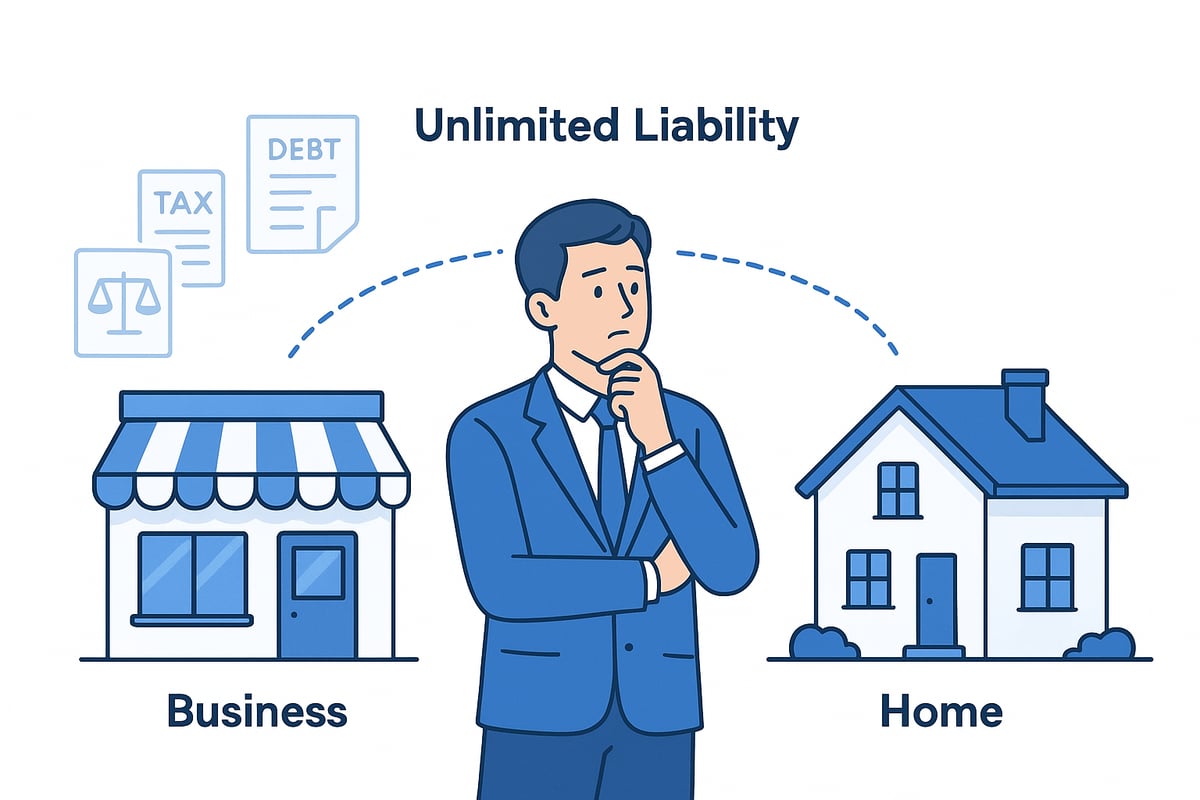
Unlimited liability is a foundational concept in business law. It refers to the legal obligation where business owners are fully responsible for all debts and obligations incurred by their business. This means that if the business cannot pay its debts, creditors can pursue the owner's personal assets, such as their home, car, or savings.
This structure is most commonly associated with sole proprietorships and general partnerships. In these setups, there is no legal separation between the business and its owners. Unlike limited liability companies, where owners’ personal assets are generally protected, unlimited liability places everything the owner possesses at risk. For a deeper explanation of unlimited liability and its implications, see the Unlimited Liability Overview.
Understanding how unlimited liability works is crucial for any entrepreneur. If a business faces a lawsuit or cannot repay its debts, the owner is personally liable for the entire amount. For example, if a sole trader in the UK is sued for a faulty product and loses in court, their personal property could be used to satisfy the court’s judgment. This direct connection between business and personal assets is what sets unlimited liability apart from other structures.
Different business structures expose owners to varying levels of unlimited liability. The most common are:
- Sole proprietorships: One individual owns and operates the business, bearing all liability.
- General partnerships: Two or more people share ownership and liability for business debts.
- Unlimited liability corporations: Rare, but exist in certain jurisdictions such as Canada.
Jurisdictions treat unlimited liability differently. In the UK, more than 60% of new businesses start as sole traders, exposing their owners to unlimited liability (SquareUp). In the US, unlimited liability is typical for sole proprietors and general partners. Canada offers a unique model, the Unlimited Liability Corporation (ULC), where shareholders may be personally responsible for company debts if the business becomes insolvent. Each region has its own rules, so it is critical to understand local laws before choosing a business structure.
The scope of unlimited liability is broad. It includes not only unpaid debts but also tax obligations, legal claims, and bankruptcy scenarios. For instance, if a business goes bankrupt, the process for distributing assets will often reach into the owner's personal finances. This can have far-reaching consequences, including personal financial ruin if the liabilities are significant and not managed properly.
Consider a real-world scenario: A self-employed electrician in the UK is sued after an accident occurs on a job site. If the business cannot cover the damages, the electrician’s personal assets, such as their house or personal savings, are at risk. This risk is a direct result of unlimited liability and highlights the importance of understanding its implications.
Unlimited liability can offer some advantages. It provides a simple structure, direct control, and minimal regulatory requirements. However, these benefits come at the cost of significant personal risk. Business owners must weigh the simplicity and autonomy of unlimited liability against the potential threat to their personal assets.
Ultimately, unlimited liability is a double-edged sword. While it allows for straightforward management and privacy, it exposes owners to considerable financial threat. Before selecting a business structure, it is vital to fully grasp the core principles of unlimited liability and how it could impact your financial future.
Unlimited Liability vs. Limited Liability: Key Differences for 2026
Choosing between unlimited liability and limited liability is a defining decision for any entrepreneur in 2026. Understanding the key differences helps clarify the risks, protections, and obligations each structure imposes on business owners.
Legal Protections and Personal Risk
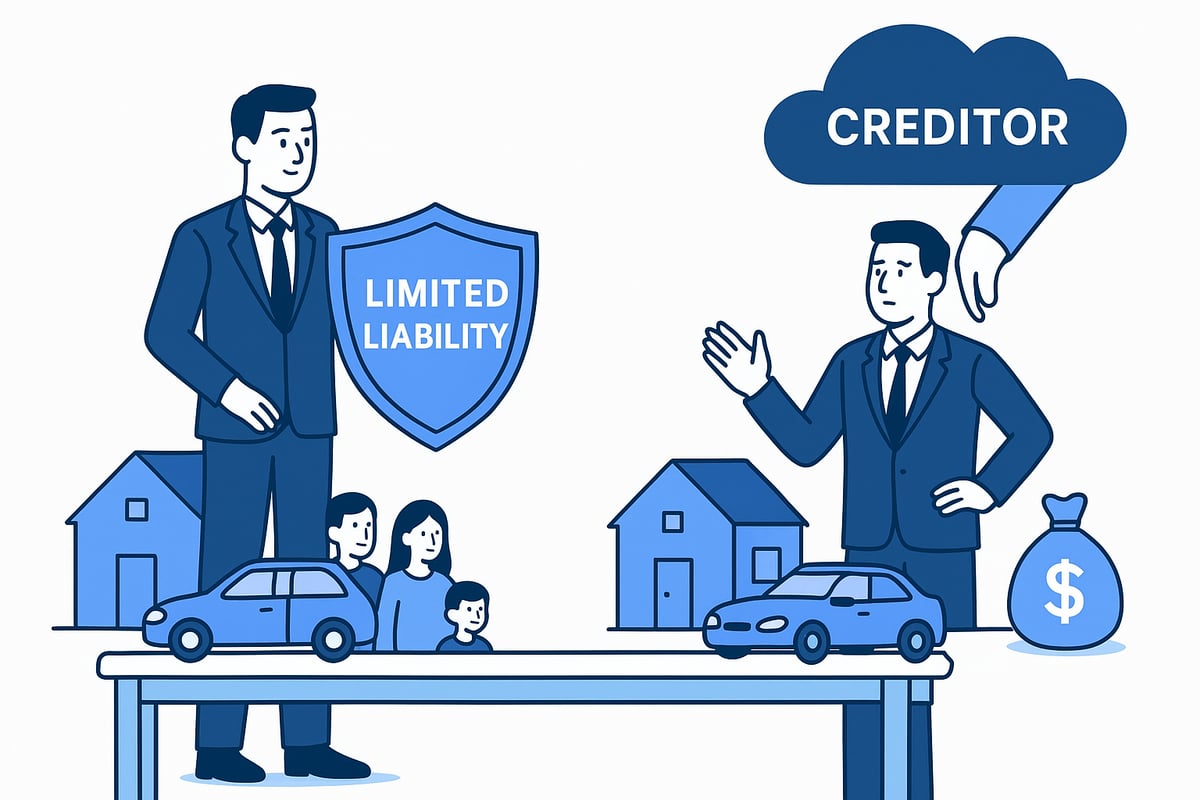
The core distinction between unlimited liability and limited liability lies in the separation (or lack thereof) between business and personal assets. With unlimited liability, owners are personally responsible for all business debts and legal claims. Their personal savings, home, and possessions can be seized to satisfy business obligations. In contrast, limited liability structures—such as limited companies—shield personal assets from most business risks.
Here is a direct comparison:
| Feature | Unlimited Liability | Limited Liability |
|---|---|---|
| Personal Asset Exposure | Yes, fully exposed | No, generally protected |
| Bankruptcy Consequences | Owner may lose personal assets | Only business assets at risk |
| Legal Claims | Directly impacts owner | Impacts company, not owner |
For example, if a general partnership with unlimited liability becomes insolvent, the partners may need to sell personal assets to cover debts. In a limited liability company, only the assets held by the company are at risk. This difference has a significant impact on family finances and generational wealth, as personal exposure can lead to loss of long-term savings.
With the rise of complex business environments in 2026, limited liability is increasingly favored for its risk mitigation. For a more detailed look at the implications of each structure, see Unlimited Liability in Business.
Compliance, Reporting, and Transparency
Unlimited liability businesses often face fewer compliance and reporting requirements than their limited liability counterparts. For example, sole proprietors and general partnerships with unlimited liability are typically not required to file extensive annual reports or disclose detailed financial statements to the public.
- Unlimited liability structures may offer greater privacy, as their financial records are not always publicly accessible.
- Limited liability companies must submit annual accounts and confirm statutory details, increasing transparency.
- In the UK, unlimited companies can avoid public financial disclosures, which appeals to owners seeking confidentiality.
However, this simplicity comes at the cost of personal risk. While unlimited liability businesses may save time and money on compliance, owners must be vigilant about understanding their ongoing obligations.
Taxation and Profit Distribution
Taxation also differs significantly between unlimited liability and limited liability structures. In an unlimited liability setup, such as a sole proprietorship, profits are taxed as personal income. This means the owner pays income tax and, in places like the UK, National Insurance on all business profits.
- Unlimited liability: Owner declares all profits on personal tax returns.
- Limited liability: Company pays corporate tax, and owners are taxed on dividends or salaries.
- For example, a UK sole trader with unlimited liability pays income tax and National Insurance, while a limited company pays corporation tax first before distributing profits.
The choice impacts how much tax is owed, how profits are accessed, and overall financial planning. Many business owners start with unlimited liability for simplicity, but may transition to limited liability as profits and risks grow.
Real-World Examples and Use Cases of Unlimited Liability
Unlimited liability is not just a legal concept—it has a direct impact on the day-to-day realities of business owners around the world. To truly grasp how unlimited liability works, it helps to see how it plays out across different industries, partnership structures, and international borders.
Common Business Types and Industries
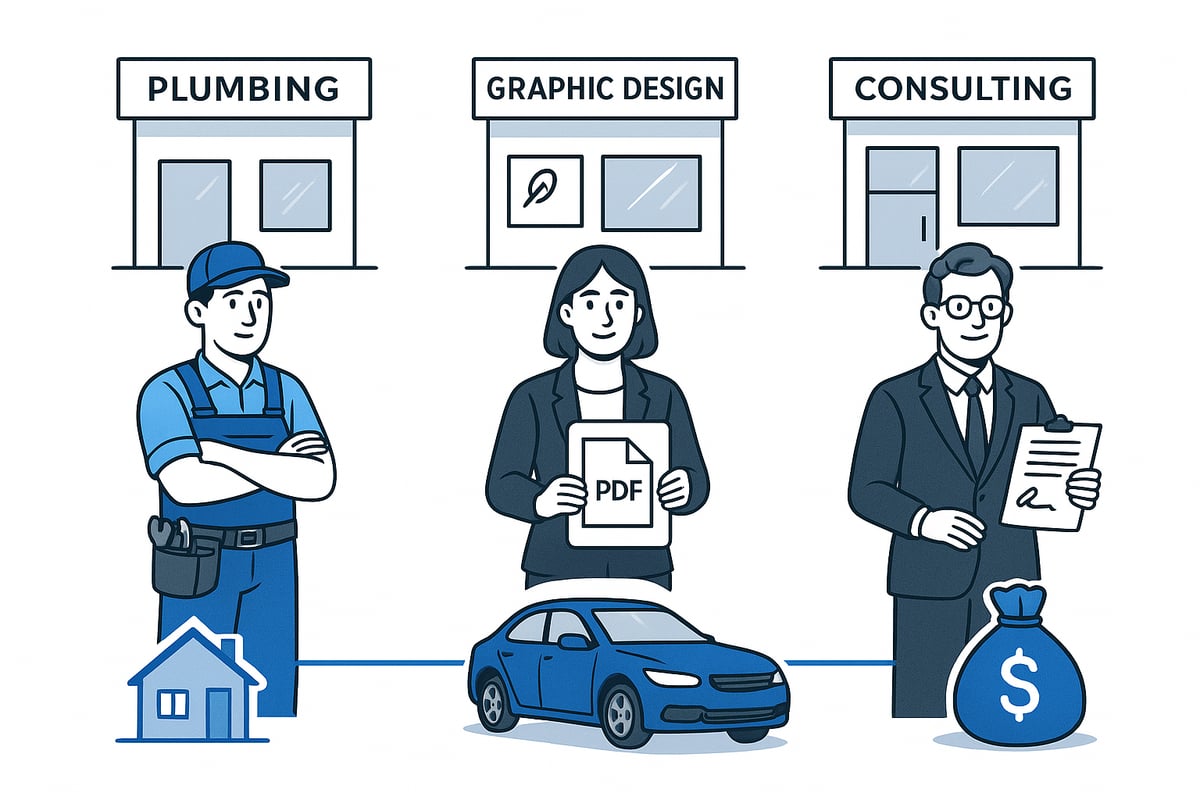
Unlimited liability is especially common in sectors that value autonomy and simplicity. Many sole proprietors and small partnerships operate in fields like construction, consulting, creative services, and skilled trades.
For example, a self-employed plumber or electrician often chooses unlimited liability because it allows for quick business setup and complete control. Graphic designers and freelance consultants also frequently operate as sole traders, prioritizing flexibility over the risk of personal liability.
These business owners typically have modest startup costs and a manageable client base, making unlimited liability more appealing. According to SquareUp, over 60 percent of new businesses in the UK start as sole traders, exposing owners to unlimited liability from the outset. However, the simplicity comes at a price—if a project goes wrong or a client sues, all personal assets could be at risk due to unlimited liability.
Partnership Structures and Liability Sharing
In a general partnership, unlimited liability is shared among all partners. Each partner is personally responsible for the full amount of the business debts, not just their share. If one partner cannot pay, creditors can pursue the others for the remaining balance.
Consider a consulting firm run by two partners. If the firm faces a lawsuit or cannot pay suppliers, both individuals are jointly and severally liable for the entire debt. This mutual responsibility can create strong incentives for trust and clear communication.
Some exceptions exist. Limited liability partnerships (LLPs) offer partial protection, shielding individual partners from the negligence or misconduct of others. However, classic unlimited liability partnerships require careful partnership agreements to outline how risks and profits are shared. These agreements are essential for setting expectations and planning for unforeseen events.
International Perspectives: Canada, UK, and Beyond
Unlimited liability structures vary widely across countries. In Canada, Unlimited Liability Corporations (ULCs) are unique entities where shareholders can be held personally responsible for company debts if the business becomes insolvent. This structure is often used for specific tax and cross-border planning purposes, but it brings significant personal risk.
In the UK, sole traders and general partnerships are the most common forms of unlimited liability. By contrast, the US relies heavily on sole proprietorships for small businesses, with similar exposure of personal assets. The European Union also features a range of unlimited liability companies, each with distinct local regulations.
Legal frameworks differ, so business owners must understand the risks and benefits in their jurisdiction. For a deeper dive into global legal considerations and financial risk management, see Unlimited Liability in Business Law. No matter the country, unlimited liability means owners must balance control with the potential for personal loss.
Legal and Financial Implications of Unlimited Liability in 2026
Understanding the legal and financial implications of unlimited liability is crucial for any business owner in 2026. This section explores how unlimited liability can impact your personal assets, ability to secure funding, and the evolving regulatory landscape.
Personal Asset Exposure and Bankruptcy Risk
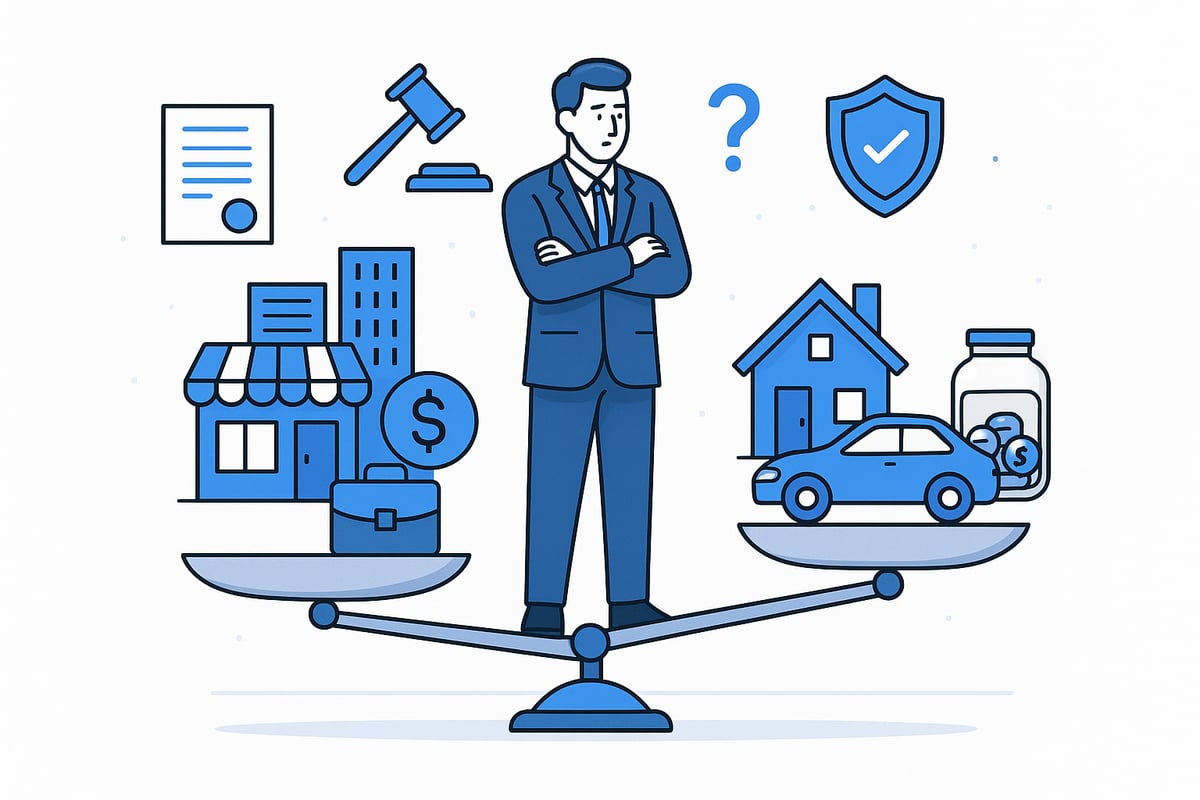
When a business operates under unlimited liability, the owner's personal assets are directly at risk if the company faces debts or legal claims. If a lawsuit is lost or the business cannot repay creditors, assets such as a house, car, or savings may be used to settle these obligations. This means that unlimited liability does not create any separation between business and personal finances.
A real-world example is a sole trader in the UK who loses a legal dispute and owes substantial damages. If the business cannot pay, the court may require the owner to sell personal property to satisfy the debt. In cases involving tax authorities like HMRC or the IRS, unpaid tax bills can also result in personal asset seizure.
The bankruptcy process differs for individuals and companies. In unlimited liability businesses, personal bankruptcy may follow if business debts exceed personal assets. This can have a devastating effect on family finances and generational wealth. According to Unlimited Liability Risks, owners must fully understand these risks before choosing this structure.
The scope of exposure includes all business obligations, from supplier debts to legal penalties. Unlimited liability may offer operational simplicity, but without careful risk management, it can lead to personal financial ruin. Owners should regularly assess their exposure and consider insurance or alternative structures if their business environment is high risk.
Funding, Credit, and Investor Perspectives
Unlimited liability significantly influences a business’s ability to secure loans and attract investors. Financial institutions assess risk before lending, and unlimited liability often increases their concerns. Lenders may require collateral, higher interest rates, or stricter repayment terms, since the owner’s personal assets serve as the ultimate guarantee for business debts.
For example, a sole trader seeking a business loan may be denied or offered less favorable terms because the risk profile is higher. Investors also tend to avoid businesses with unlimited liability, as they do not want to be personally liable for company debts or lawsuits. This can make raising capital challenging, especially for businesses looking to expand quickly.
A key financial metric in this context is the debt-to-equity ratio, which measures how much a company relies on borrowing versus owner investment. In unlimited liability structures, a high ratio can signal greater risk for both the owner and potential creditors.
Here is a summary table of how unlimited liability affects access to funding:
| Factor | Unlimited Liability | Limited Liability |
|---|---|---|
| Loan Approval | More difficult | Easier |
| Interest Rates | Higher | Lower |
| Investor Appeal | Low | High |
| Collateral Requirements | Often required | Sometimes required |
Ultimately, unlimited liability may restrict business growth by limiting funding options and making it harder to attract outside investment.
Regulatory Changes and Trends for 2026
The legal landscape for unlimited liability is evolving rapidly. Recent regulatory changes, such as updates to the Companies Act 2006 in the UK, have clarified the responsibilities and reporting requirements for these business structures. In 2026, there is increased scrutiny on compliance, with regulators focusing on financial transparency and owner accountability.
Digitalization and the rise of the gig economy are also shaping how unlimited liability is perceived. More entrepreneurs are starting small businesses online, sometimes unaware of the full legal implications of their chosen structure. Governments in major jurisdictions are considering new rules to protect consumers and clarify owner obligations.
Trends indicate that unlimited liability may become less common as business owners seek safer, more flexible structures. There is a growing preference for limited liability companies, which offer protection for personal assets and easier access to funding. However, unlimited liability remains attractive for those valuing privacy and simplicity, especially in low-risk sectors.
Business owners must stay informed about regulatory developments and be ready to adapt their structure if legal or industry changes occur. Consulting legal and financial professionals is essential to ensure ongoing compliance and to minimize exposure under unlimited liability.
Pros and Cons of Unlimited Liability: Is It Right for Your Business?
Choosing a business structure is a pivotal decision, and understanding unlimited liability is essential for any entrepreneur in 2026. This section breaks down the major pros and cons, helping you weigh if unlimited liability fits your goals and risk profile.
Advantages: Simplicity, Control, and Privacy
Unlimited liability offers a straightforward path for starting and running a business. The setup process is generally fast and inexpensive. For sole traders and general partnerships, there is no need for complex paperwork or lengthy registration processes. This simplicity lets you focus more on operations and less on red tape.
With unlimited liability, you maintain full control over decisions and profits. There are no boards or shareholders to consult, which means you can adapt quickly as market conditions change. For example, a sole trader in graphic design can pivot service offerings overnight, responding to new client needs without bureaucratic delays.
Privacy is another major draw. Unlimited liability businesses often have fewer compliance and reporting obligations. Financial statements and earnings typically remain private, shielding sensitive information from competitors or public scrutiny.
Here is a summary of key advantages:
- Quick and easy setup and closure
- Complete authority over business choices
- Minimal compliance and less public disclosure
- Greater privacy for financial records
For low-risk, small-scale businesses, unlimited liability is attractive. Owners value autonomy and flexibility, especially in creative, consulting, or skilled trade sectors.
Disadvantages: Personal Risk, Stress, and Growth Limitations
Despite its appeal, unlimited liability comes with significant drawbacks. The most serious is that your personal assets—such as your home, car, or savings—are on the line if the business fails or faces legal claims. If debts mount or a lawsuit arises, creditors can pursue your personal wealth to satisfy obligations.
This exposure can lead to emotional stress, especially if family assets are at risk. Imagine a business owner forced to use personal savings to cover a client dispute or unpaid tax bill. The financial pressure can be overwhelming and may affect both personal and professional life.
Unlimited liability can also hinder business growth. Investors and lenders may hesitate to provide funding, knowing that there is no corporate shield. According to SquareUp, over 60 percent of new UK businesses start with unlimited liability as sole traders, yet many convert to limited companies as they expand and seek outside capital. Understanding the debt-to-equity ratio explained can help highlight why lenders and investors assess unlimited liability businesses as higher risk.
Key disadvantages include:
- Unlimited personal liability for debts and claims
- Emotional and financial stress for owners and families
- Challenges in attracting investors or securing loans
- Limits on expansion due to risk aversion
In summary, unlimited liability provides speed, control, and privacy, but at the cost of exposing your personal assets to business risks. Carefully consider your industry, ambitions, and risk tolerance before deciding if unlimited liability is right for your business.
Choosing the Right Business Structure: Steps and Strategic Considerations for 2026
Selecting the ideal business structure in 2026 is a pivotal decision. Your choice impacts not only how you operate, but also how much personal risk you accept. Unlimited liability remains a critical consideration for entrepreneurs, especially as legal, financial, and market dynamics evolve.
This step-by-step guide walks you through the essential factors to weigh before committing to unlimited liability or another structure. By following these steps, you can align your business approach with your goals, risk tolerance, and future plans.
Step 1: Assess Your Risk Tolerance and Business Model
Begin by honestly evaluating your comfort with risk. Unlimited liability means your personal assets are on the line for any business debts or legal claims.
Ask yourself:
- Are you prepared to risk your home, savings, or personal property?
- What is the likelihood of disputes or large claims in your industry?
- Does your business model expose you to frequent liability concerns?
For example, if you operate in a high-risk sector like construction, the potential for lawsuits is significant. In such cases, unlimited liability may not be the safest choice. On the other hand, creative freelancers or consultants with minimal debt might accept the risk for the sake of simplicity.
Step 2: Understand Legal and Tax Implications in Your Jurisdiction
Legal and tax rules vary widely across regions. Research how unlimited liability is treated where you plan to operate. For instance, UK sole traders face different obligations than US general partners or Canadian ULC shareholders.
Consult local experts to clarify:
- How your personal assets could be affected by business debts.
- Tax rates and reporting requirements for your chosen structure.
- Whether certain professions mandate unlimited liability.
For more detail on ownership obligations, see this guide on Shareholder responsibilities and rights. Understanding these distinctions is vital for making an informed decision.
Step 3: Evaluate Funding and Growth Plans
Your ability to attract investors or secure loans is shaped by your business structure. Unlimited liability often deters outside funding, as investors typically prefer limited risk.
Consider:
- Will you need external capital to scale?
- Are banks willing to lend to businesses with unlimited liability?
- How does your structure affect your credit profile?
Lenders may view unlimited liability as a higher risk, leading to stricter terms or collateral demands. For a deeper look at how risk influences financing, review this Risk-weighted assets overview.
If your ambition includes significant growth or venture capital, a limited liability structure may be a better fit.
Step 4: Draft Clear Partnership or Operating Agreements
If you enter a partnership, clarity is crucial. Unlimited liability partnerships require well-defined agreements to manage risks among owners.
Include in your agreement:
- How debts and claims will be shared.
- Dispute resolution processes.
- Exit and buyout provisions.
- Steps for converting to limited liability if necessary.
A clear, detailed document can prevent confusion and protect relationships. It also allows for a smoother transition should you need to restructure as your business evolves.
Step 5: Plan for the Future: Flexibility and Conversion
Business needs change over time, so your structure should allow for adaptation. Unlimited liability may be suitable at launch, but as you grow, consider transitioning to a limited liability company.
Plan ahead by:
- Outlining legal steps and tax implications for conversion.
- Building flexibility into your business plan.
- Monitoring your risk exposure as you scale.
For example, many sole traders convert to limited companies after expansion to protect personal assets. Preparing for this shift ensures you can respond to opportunities and challenges without unnecessary risk.
Frequently Asked Questions About Unlimited Liability
Understanding unlimited liability can be challenging for business owners. Below, we answer the most common questions about this business structure for 2026.
How are unlimited liability companies taxed in 2026?
Unlimited liability companies are typically taxed on profits as personal income. For example, UK sole traders pay income tax and National Insurance on business profits. In the US, profits pass through to the owner’s tax return. This means all earnings, after allowable expenses, are subject to personal tax rates rather than corporate tax.
Can unlimited liability be shared among multiple owners?
Yes, unlimited liability can be shared in structures like general partnerships. Each partner is personally responsible for the full amount of business debts. If one partner cannot pay, the others must cover the shortfall, so all partners’ personal assets remain at risk.
Is unlimited liability ever required by law for certain professions?
Some jurisdictions require unlimited liability for specific professional services. For example, certain legal or accounting practices may be mandated to operate as unlimited liability partnerships, ensuring personal accountability for professional conduct.
How do unlimited liability companies differ internationally?
The details of unlimited liability vary by country. In the UK, sole traders and general partnerships expose owners to full personal risk. In Canada, Unlimited Liability Corporations (ULCs) allow shareholders to be liable if the company fails. The US has similar risks for sole proprietors, but some EU countries have additional protections.
What happens to personal assets if the business is sued?
If an unlimited liability business is sued and cannot cover debts, the owner’s personal assets, such as a home or car, can be seized to satisfy court judgments. This is especially relevant in insolvency situations, where understanding the going concern in business law concept is crucial for predicting the impact on both business and personal finances.
How easy is it to switch from unlimited to limited liability?
Many business owners start with unlimited liability for simplicity, then convert to a limited company as they grow. The process involves legal registration, potential tax implications, and notifying clients and suppliers. Planning ahead can make this transition smoother.
Are there hybrid structures that offer some liability protection?
Yes, structures like Limited Liability Partnerships (LLPs) or Limited Partnerships (LPs) offer a mix of unlimited and limited liability. These allow some partners to limit their risk, while others may retain full personal responsibility.
Choosing the right business structure requires weighing the pros and cons of unlimited liability in your industry, location, and growth plans.
As you’ve seen, understanding unlimited liability is crucial when deciding how to structure your business, especially with the evolving landscape in 2026. The right insights can help you protect your personal assets, plan for growth, and make informed decisions that set you up for long-term success. If you’re curious to see how history shapes today’s markets and want to explore financial concepts in depth, I invite you to Join Our Beta and experience the power of learning from the past to make smarter financial choices for the future.