
Net Asset Value Guide 2025: Your Essential Handbook
Are you ready to take control of your investments in 2025? Understanding net asset value is more important than ever as financial markets evolve and new opportunities emerge.
This essential handbook will demystify net asset value, giving you the clarity and confidence to make informed decisions. You will learn how to calculate, interpret, and use net asset value effectively for a stronger investment strategy.
Explore the basics, calculation methods, fund types, influencing factors, and practical strategies. By mastering these concepts, you will be equipped to navigate the complex world of investing with greater skill and confidence.
Understanding Net Asset Value: The Foundation of Fund Investing
Net asset value is the cornerstone metric for anyone looking to evaluate investment funds. Whether you are a retail investor or an institutional participant, understanding net asset value is essential for making informed decisions. This section breaks down the meaning, importance, and practical use of net asset value, setting the stage for deeper analysis throughout this guide.
What is Net Asset Value?
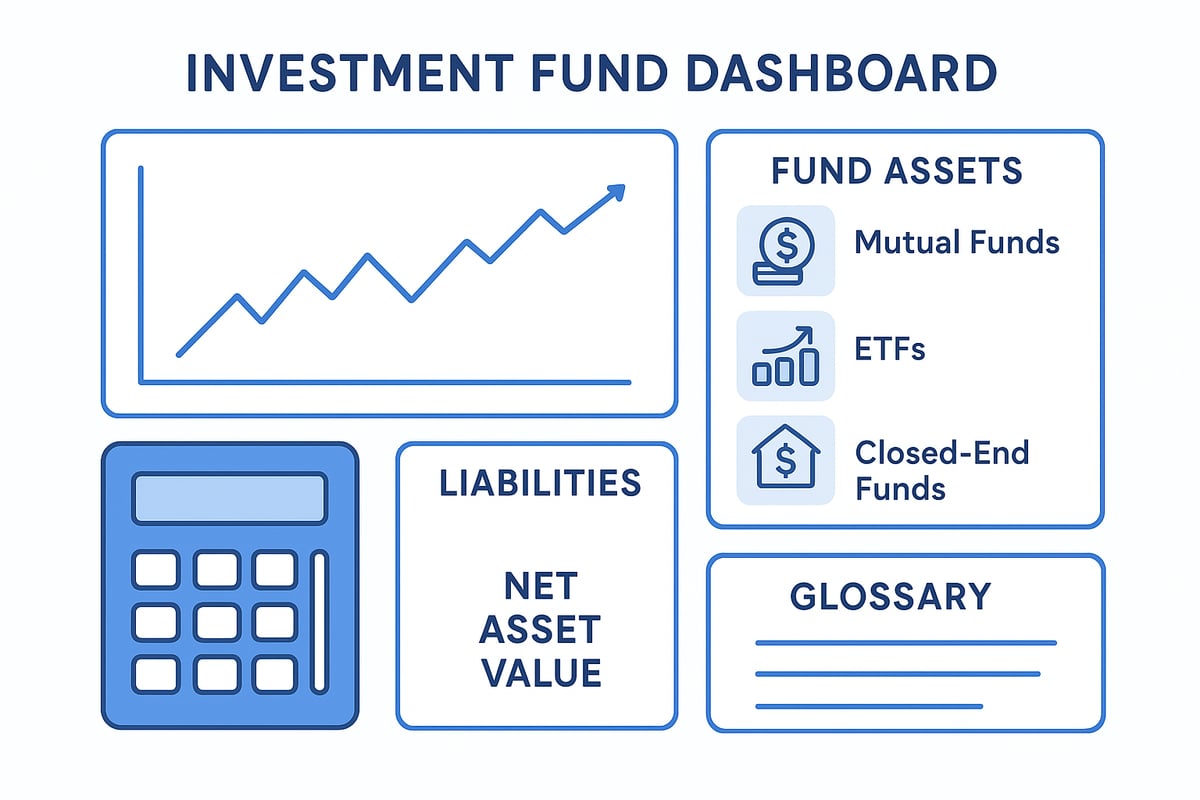
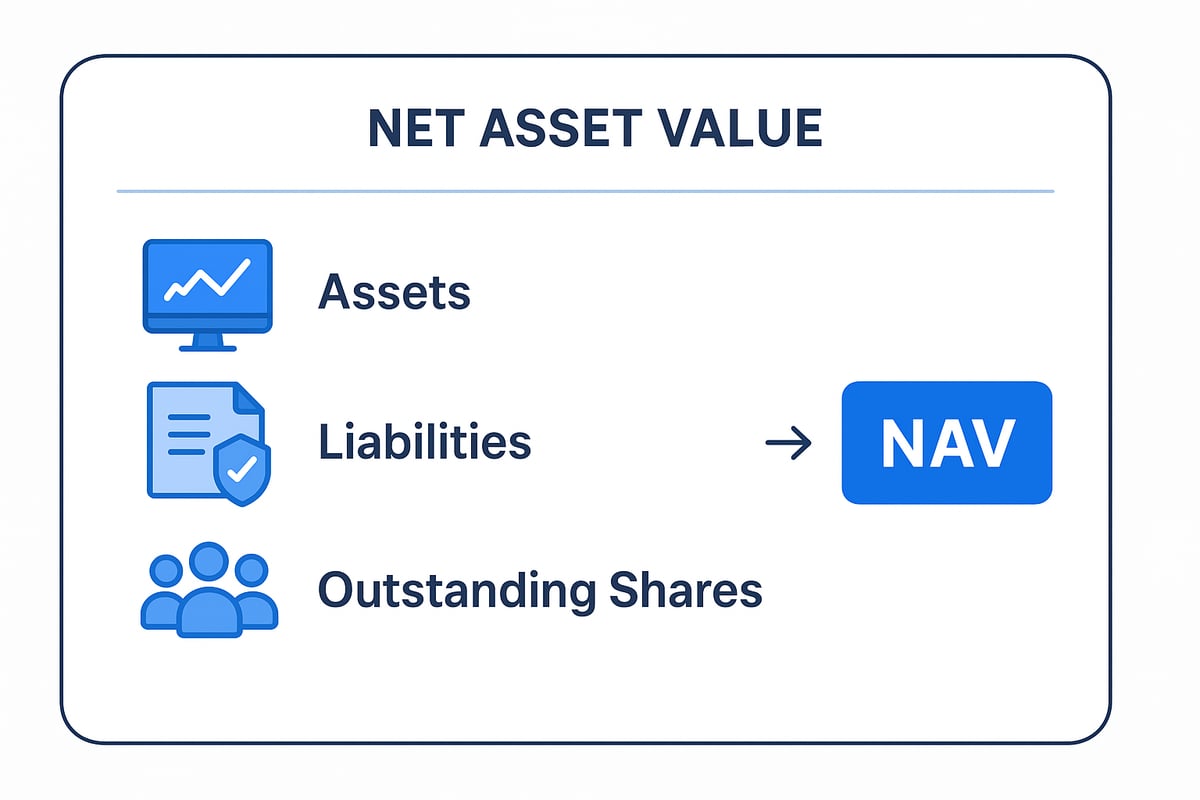
Net asset value, often abbreviated as NAV, represents the total value of a fund’s assets minus its liabilities, divided by the number of outstanding shares. This calculation provides a snapshot of the per-share value of a fund at a specific point in time. NAV emerged as a standard measure in the 20th century, offering investors a transparent way to assess fund worth.
NAV is often compared with other valuation metrics such as market price or price to earnings ratio, but it serves a unique role in fund analysis. For example, mutual funds price their shares directly at NAV, while ETFs may trade at slight premiums or discounts. Both individual and institutional investors rely on net asset value to gauge entry and exit points for their investments.
Why NAV Matters: Key Functions and Stakeholders
Net asset value is a critical tool for investors making allocation decisions. By evaluating NAV, investors can determine whether a fund is fairly valued relative to its holdings. Fund performance is often measured by changes in NAV over time, factoring in income and capital gains.
Regulators require funds to disclose their NAV regularly, ensuring transparency for all stakeholders. Daily NAV calculations are especially important for open-end mutual funds, where investors can buy or redeem shares at the published NAV. Fund managers and compliance officers monitor NAV closely to meet both legal obligations and investor expectations.
Types of Funds and NAV Usage
The application of net asset value varies across mutual funds, ETFs, and closed-end funds. Mutual funds calculate NAV at the end of each trading day, allowing investors to transact at this price. ETFs, though based on NAV, trade throughout the day at market prices that can differ from NAV due to supply and demand.
Closed-end funds issue a fixed number of shares, so their market price often diverges from net asset value, creating scenarios where shares trade at a premium or discount. This difference impacts both trading strategies and liquidity, making NAV a pivotal reference for all fund types.
Historical Trends and NAV Evolution
Over the decades, net asset value calculation standards have evolved in response to market dynamics and technological advancements. Early fund NAVs were calculated manually, leading to periodic errors and delays. The rise of digital technology has transformed NAV reporting, enabling real-time calculations and improved accuracy.
Significant market events, such as the 2008 financial crisis, have also influenced NAV practices. During periods of extreme volatility, funds may adjust NAV methodologies to reflect rapid asset revaluations, maintaining fairness and transparency for investors.
Common NAV Terminology Explained
To navigate net asset value confidently, it is important to understand key terms:
- Assets: Securities, cash, and receivables owned by the fund.
- Liabilities: Expenses, fees, and payables the fund owes.
- Shares Outstanding: Total number of fund shares currently held by investors.
- Book Value vs. Market Value: Book value reflects historical cost, while market value is based on current prices.
- Redemption Price: The amount investors receive when selling fund shares.
A common method, “mark-to-market,” updates asset values to reflect current market prices, directly affecting NAV. Mastering this vocabulary ensures you can interpret net asset value statements accurately and make smarter investment decisions.
The Step-by-Step Process: How to Calculate Net Asset Value in 2025
Calculating net asset value is essential for investors seeking clarity on fund performance and value. In 2025, the process remains systematic but leverages advanced technology for greater accuracy and transparency.
Below, we break down the calculation into five clear steps, each vital for determining the true value of a fund’s shares.
Step 1: Identify Fund Assets
The first step in calculating net asset value is to determine all assets held by the fund. This includes securities such as stocks and bonds, cash balances, and receivables like accrued interest or dividends.
Accurate asset valuation is crucial, as even minor miscalculations can distort the net asset value. For example, a diversified equity fund may have assets spread across multiple sectors, requiring up-to-date market prices for each holding.
- Securities (stocks, bonds, asset-backed securities)
- Cash and equivalents
- Receivables (interest, dividends)
Properly listing and valuing each asset ensures the net asset value reflects the fund’s true market position.
Step 2: Account for Liabilities
After identifying assets, the next step is to subtract fund liabilities. These typically include management fees, administrative expenses, and any payables owed by the fund. Liabilities directly reduce the net asset value, making their accurate calculation essential.
For instance, management fees can vary by fund type and size, and ongoing expenses accumulate daily. If a fund incurs high operating costs, its net asset value will decrease accordingly.
- Management fees
- Administrative costs
- Accrued payables
By factoring in all liabilities, you ensure the net asset value figure is not overstated.
Step 3: Calculate Total Net Assets
To find the total net assets, simply subtract total liabilities from total assets. This step is the foundation of net asset value calculation and must be performed with real-time data for accuracy.
Formula:Total Net Assets = Total Assets - Total Liabilities
Accurate, up-to-date figures are vital, especially for funds priced daily. For a detailed explanation of this process, see the Net Asset Value overview.
For example, open-end funds recalculate their net asset value every business day to reflect changing market conditions and fund activity.
Step 4: Divide by Outstanding Shares
Once total net assets are determined, divide this figure by the number of shares or units outstanding to arrive at the net asset value per share. This step accounts for any new shares issued or redeemed during the trading day.
- Calculate:
NAV per share = Total Net Assets / Shares Outstanding - Adjust for new issues or redemptions
For ETFs, this process is dynamic, as shares can be created or redeemed in large blocks, directly impacting the daily net asset value.
Step 5: Leverage Technology and Compliance
Modern net asset value calculation relies on automation, artificial intelligence, and strict compliance standards. Automation reduces manual errors and enables real-time NAV updates. Regulatory frameworks, such as those from the SEC, require transparent and timely reporting.
For example, many funds now use automated platforms to calculate and disclose net asset value, ensuring investors receive accurate figures without delay.
Staying up to date with technology and regulations is essential for reliable net asset value reporting.
NAV in Practice: Interpreting and Using Net Asset Value for Smarter Investing
Understanding how to interpret net asset value in real-world scenarios is essential for making informed investment decisions. Whether you are a new or seasoned investor, mastering this skill helps you analyze fund performance, spot opportunities, and avoid costly mistakes.
Reading NAV Reports: What Investors Need to Know
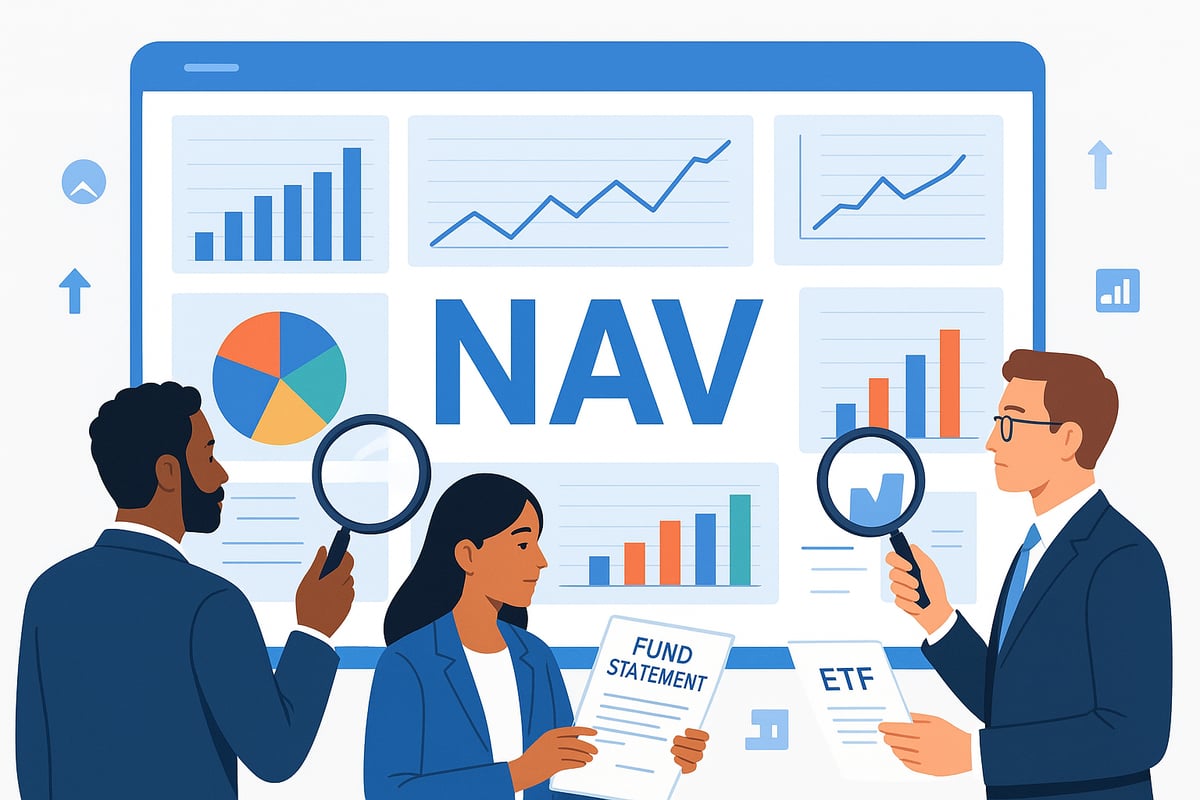
For investors, daily net asset value reports are a primary resource to assess fund health. These reports detail the current value per share, recent changes, and sometimes asset allocations.
Key sections typically include the date, total assets, liabilities, shares outstanding, and the calculated net asset value per share. By studying these figures, you can track fund trends and compare historical performance. For a deeper look at recent industry data and mutual fund NAV trends, review the Trends in Mutual Fund Investing, August 2025 report.
Annual fund statements provide a more comprehensive view, often including commentary on what drove NAV movement during the year. Understanding these reports equips you to make smarter investment choices.
Comparing NAV and Market Price
Comparing net asset value with a fund's market price can reveal key insights, especially for ETFs and closed-end funds. Sometimes, the market price trades above (premium) or below (discount) the NAV due to supply and demand dynamics.
Here is a simple comparison:
| Metric | NAV | Market Price |
|---|---|---|
| Calculation | Fund assets minus liabilities, divided by shares | Determined by market trades |
| Fluctuation | Once daily | Real-time |
| Can differ from NAV? | N/A | Yes (premium/discount) |
For example, during periods of high demand, an ETF may trade at a premium to its net asset value. Recognizing these differences helps you identify opportunities or risks before making a trade.
NAV and Fund Performance Evaluation
Evaluating a fund's returns requires a close look at changes in its net asset value over time. NAV reflects not only the appreciation or depreciation of assets but also the impact of distributions and capital gains.
To assess performance, compare the NAV at the beginning and end of a period, while accounting for any distributions paid. For instance, two funds may have similar NAVs, but if one distributes more capital gains, its total return could be higher.
Regularly monitoring net asset value changes, along with total return calculations, provides a fuller picture of fund effectiveness and management quality.
Limitations and Misconceptions About NAV
While net asset value is a crucial metric, it is not a standalone indicator of a fund's value or future performance. One common misconception is that a higher NAV means a better investment, which is not always accurate.
NAV can be distorted in volatile or illiquid markets, especially for funds holding assets that are hard to price. For example, emerging market funds may report NAVs that do not fully reflect real-time values, leading to temporary mispricing.
Understanding these limitations helps you avoid overreliance on net asset value when making investment decisions.
NAV and Tax Implications
Net asset value plays a significant role in determining taxable events for investors. When a fund makes dividend or capital gain distributions, the NAV typically drops by an equivalent amount, which can create taxable income even if you reinvest.
To minimize tax liabilities, consider holding funds with frequent NAV changes in tax-advantaged accounts, such as IRAs. Monitoring NAV also helps you plan redemptions more strategically, reducing your exposure to unexpected taxes.
By staying aware of how net asset value impacts taxes, you can optimize your after-tax returns.
Real-World Case Studies: NAV in Action
Examining real-world events shows how net asset value responds under pressure. For instance, during market corrections, some funds see rapid NAV drops, testing their liquidity and management strategies.
Historical cases, such as NAV miscalculations or reporting delays, have led to regulatory interventions and investor losses. These events highlight the importance of accurate NAV calculation and transparent communication.
Learning from these scenarios prepares you to respond confidently when net asset value fluctuates significantly.
Factors Influencing NAV: What Drives Changes and Volatility?
Understanding the factors that drive changes and volatility in net asset value is essential for investors. NAV is not static; it fluctuates in response to a variety of market and operational forces. Let us break down the key drivers that affect NAV on a day-to-day basis.

Market Movements and Asset Valuation
Market price changes are one of the most immediate influences on net asset value. As the prices of the underlying securities in a fund's portfolio rise or fall, the overall asset value shifts accordingly. For example, during a bull market, equity values increase, lifting the NAV. In contrast, bearish trends can drag NAV downward.
Funds holding complex instruments, such as asset-backed securities, are especially sensitive to valuation methods. The correlation between net asset value and the market value of assets is direct, making real-time pricing crucial for accurate NAV reporting.
Fund Expenses and Management Fees
Every fund incurs ongoing expenses, such as management fees, administrative costs, and other operational charges. These costs are deducted from the fund’s total assets, reducing the net asset value over time.
The structure of these fees can vary between active and passive funds. Actively managed funds typically have higher expense ratios, which can erode NAV more quickly. Over the long term, even small differences in expense ratios can have a significant impact on net asset value and overall investor returns.
Dividends, Distributions, and Capital Gains
Payouts from dividends, interest, and capital gains directly affect net asset value calculations. When a fund distributes income or realized gains to investors, the NAV typically drops by an amount equal to the distribution.
The timing and frequency of these distributions can cause short-term NAV volatility. For example, after a large capital gains distribution, investors may notice a sudden decrease in NAV, even though the overall value received remains unchanged when distributions are considered.
Subscription and Redemption Activity
Investor inflows and outflows play a critical role in daily net asset value determination. When new investors subscribe to a fund, or existing investors redeem shares, the fund must adjust its asset pool and outstanding share count.
Large-scale redemptions can force a fund to sell assets quickly, potentially at unfavorable prices, which may negatively impact NAV. Effective liquidity management is essential to maintain NAV accuracy and protect remaining shareholders during periods of heavy redemption activity.
External Events and Regulatory Changes
Economic policies, regulatory updates, and global events all influence net asset value. For instance, new accounting rules or disclosure requirements can prompt funds to recalculate NAV, sometimes resulting in restatements.
Major global events, such as financial crises or geopolitical disruptions, can introduce volatility and uncertainty. Regulatory changes, like updated SEC or international guidelines, ensure transparency and accuracy but may also require funds to adopt new NAV calculation practices.
Advanced NAV Strategies: Leveraging NAV for Portfolio Optimization
In the evolving investment landscape, mastering advanced strategies centered around net asset value is vital for portfolio optimization. Investors who understand how to interpret, compare, and strategically act on NAV insights can position themselves for better returns, improved risk management, and smarter fund selection. Let us explore actionable ways to turn NAV data into a competitive edge.
Using NAV for Fund Selection and Portfolio Construction
Selecting the right funds for your portfolio begins with a thorough analysis of net asset value. NAV serves as a reliable screening metric, allowing investors to compare funds on a like-for-like basis. By evaluating NAV trends, you can identify undervalued or overvalued funds and allocate assets accordingly.
Consider the following approach:
- Compare funds with similar investment objectives but differing NAV histories.
- Assess whether a fund's NAV reflects its underlying asset quality and management performance.
- Integrate NAV data with other metrics, such as expense ratios and historical returns.
For deeper insights into how NAV is shaping the future of asset management, consult Asset Management 2025: The Great Convergence for expert perspectives. Using net asset value as a foundational tool helps you build a diversified, resilient portfolio.
Timing Purchases and Redemptions with NAV
Timing is crucial when buying or redeeming fund shares. Because net asset value is typically calculated at the end of each trading day, understanding NAV movements enables investors to make more informed decisions on entry and exit points.
Consider these strategies:
- Monitor daily NAV updates to avoid buying just before large distributions, which can dilute returns.
- Use historical NAV patterns to anticipate potential price swings.
- Avoid “NAV chasing,” which involves reacting impulsively to short-term NAV changes.
For example, end-of-day NAV trading tactics can help you sidestep unnecessary transaction costs and maximize investment efficiency. Always align purchase or redemption timing with your broader financial goals and market conditions.
NAV Arbitrage Opportunities
Net asset value arbitrage involves exploiting price discrepancies between a fund's NAV and its market price. This is especially common in ETFs and closed-end funds, where market prices can deviate from NAV due to supply and demand imbalances.
Key points for NAV arbitrage:
- Identify funds trading at significant premiums or discounts relative to their NAV.
- Act quickly, as arbitrage opportunities may be short-lived and subject to market volatility.
- Understand the distinction between NAV and other metrics, such as par value vs. NAV, to avoid confusion.
For instance, international ETFs may present arbitrage chances due to time zone differences affecting underlying asset prices. Properly executed net asset value arbitrage can enhance returns, but it carries risks, including transaction costs and market shifts.
NAV and Risk Management
Monitoring net asset value is a practical way to gauge fund stability and manage portfolio risk. Sudden NAV volatility can signal underlying asset distress, liquidity concerns, or broader market issues.
Effective risk management using NAV includes:
- Setting NAV-based thresholds to trigger portfolio reviews or rebalancing.
- Tracking NAV volatility over time to identify abnormal patterns.
- Using NAV trends to detect early warning signs of fund mismanagement or market stress.
For example, during market turbulence, funds with stable NAVs often reflect prudent asset management and diversified holdings. Regularly reviewing net asset value helps investors stay proactive rather than reactive.
Integrating Historical NAV Analysis
Historical analysis of net asset value provides context for current fund performance and aids in forecasting future trends. By examining NAV data over months or years, you can distinguish between temporary fluctuations and long-term growth patterns.
Best practices for historical NAV analysis:
- Use charts and tables to visualize NAV movements across different timeframes.
- Compare historical NAV trends with major market events to understand causality.
- Incorporate NAV analysis into performance benchmarking and future projections.
Learning from past net asset value movements enables investors to make data-driven predictions and avoid repeating mistakes. This approach is especially valuable in volatile markets or when evaluating new fund offerings.
Tools and Resources for NAV Analysis
Modern investors have access to a wide array of tools for net asset value research and analysis. Reliable platforms offer real-time NAV tracking, historical data, and advanced analytics to support decision-making.
Recommended resources include:
- Professional fund databases with comprehensive NAV histories.
- Online calculators for scenario analysis and what-if modeling.
- Industry reports on technological advancements in NAV automation and reporting.
Leveraging these tools streamlines the process of evaluating net asset value, ensuring that your investment decisions are based on accurate, timely information. Staying updated with the latest technology and industry standards will keep your portfolio optimization strategies ahead of the curve.
NAV in the Modern Investment Landscape: Trends and Future Outlook
The landscape for net asset value is evolving rapidly as we approach 2025. Investors, fund managers, and regulators are witnessing significant shifts in technology, regulation, and market expectations. Understanding these changes is essential for anyone relying on net asset value to guide investment decisions.
The Impact of Technology on NAV Calculation and Reporting
Technology is transforming net asset value calculation and reporting. Automation, artificial intelligence, and blockchain are streamlining processes, reducing errors, and enabling near real-time NAV updates.
Fund administrators are adopting AI-driven systems for asset pricing, reconciliation, and compliance checks. Blockchain offers immutable records and enhanced transparency. As a result, investors can now access more accurate and timely NAV data than ever before. For a deeper look at these advancements, see the Net Asset Value Automation Market Outlook.
Enhanced technology supports:
- Faster daily NAV computation
- Automated regulatory reporting
- Improved transparency for investors
These advancements place net asset value at the center of digital transformation in finance.
Regulatory Developments Shaping NAV Standards
Regulatory bodies worldwide are updating rules to keep pace with innovations in net asset value reporting. The SEC and ESMA have introduced stricter guidelines to ensure accuracy, consistency, and transparency.
Global harmonization efforts are underway, aiming to standardize NAV reporting for cross-border funds. New regulations require more frequent disclosures and robust internal controls. Compliance teams must stay vigilant to avoid penalties in this evolving environment.
Recent changes include:
- Mandatory daily NAV publication for certain funds
- Enhanced audit trails and error reporting
- Stronger investor protection measures
These regulatory shifts reinforce the reliability of net asset value as a trusted benchmark.
ESG and Alternative Assets: NAV Challenges
The rise of ESG and alternative investments presents new challenges in net asset value calculation. Illiquid assets, such as private equity or real estate, lack readily available market prices, making valuation complex.
ESG funds must incorporate non-financial factors, like environmental impact, into asset valuations. This introduces subjectivity and requires robust frameworks to maintain NAV integrity. Transparency is vital, especially for green funds and private assets where valuation methods may differ.
Key NAV challenges for ESG and alternatives:
- Limited price discovery for illiquid assets
- Diverse valuation techniques for impact metrics
- Increased demand for detailed NAV disclosures
Investors should review how fund managers address these complexities in their net asset value methodologies.
Globalization and Cross-Border NAV Considerations
Globalization has expanded the reach of net asset value reporting. International funds face unique hurdles, such as currency fluctuations, varying time zones, and differing regulatory standards.
Accurately calculating NAV for global ETFs or multinational portfolios requires sophisticated systems to handle multi-currency conversions and local market closures. Fund managers must also comply with both domestic and foreign disclosure rules, adding layers of complexity.
Considerations for cross-border NAV:
- Real-time FX rate integration
- Synchronizing cut-off times across regions
- Navigating diverse regulatory environments
As global investing grows, net asset value remains a universal measure, but implementation must adapt to a more interconnected financial world.
Investor Education and Transparency Initiatives
Industry groups and fund associations are launching educational campaigns to boost understanding of net asset value. These efforts aim to demystify NAV calculations, explain its role in fund selection, and highlight the importance of transparency.
Investor advocacy organizations push for clearer reporting and accessible NAV data. Fund providers now offer interactive dashboards and plain-language guides to help retail investors interpret NAV figures confidently.
Transparency initiatives include:
- Public NAV data portals
- Investor workshops and webinars
- Simplified annual statements
Empowering investors with net asset value knowledge leads to more informed, strategic decision-making.
Anticipated NAV Trends for 2025 and Beyond
Looking ahead, net asset value is poised for further evolution. Digital assets, tokenized funds, and decentralized finance (DeFi) platforms are emerging, each requiring new NAV methodologies. Real-time data delivery and demand for on-demand NAV calculations will likely become standard.
Potential disruptors include:
- Integration of digital asset pricing into NAV
- Fully automated, AI-powered NAV systems
- Adoption of NAV protocols for DeFi and blockchain-based funds
A summary of future trends:
| Trend | Impact on NAV |
|---|---|
| Real-time data | Instant NAV updates |
| Digital assets | New valuation frameworks |
| Tokenization | On-chain NAV calculations |
| DeFi platforms | Decentralized NAV reporting |
Staying ahead of these trends will ensure investors and fund managers can leverage net asset value as a robust decision-making tool in the years to come.
As you’ve seen, understanding Net Asset Value is essential for making informed investment decisions in today’s fast-moving markets. By mastering NAV concepts and learning from historical trends, you position yourself ahead of the curve—able to spot opportunities and avoid common pitfalls. If you’re curious about how the stories behind market movements shape the numbers, there’s so much more to explore. Let’s unlock the past to inform your financial future—Stay ahead by looking back.