
Triple Witching Guide: Navigating Market Volatility in 2026
Every quarter, the stock market faces a surge of activity, mystery, and unpredictability known as triple witching. This phenomenon can send trading volumes and volatility to their highest levels, challenging even experienced investors.
Are you prepared for the market’s wildest days in 2026? This guide is designed to unravel the complexities of triple witching, providing you with clear explanations, historical context, and proven strategies.
Inside, you’ll learn what triple witching is, why it matters, how it has shaped markets in the past, and what to expect in 2026. Get ready to confidently navigate every twist and turn.
Understanding Triple Witching: What It Is and Why It Matters
Every few months, the financial world braces itself for a phenomenon known as triple witching. This event occurs when three major types of derivatives — stock index futures, stock index options, and stock options — all expire simultaneously. The result is a surge in trading activity, heightened volatility, and unpredictable price swings across the stock market.
Triple witching takes place on the third Friday of March, June, September, and December. While the entire trading day is notable, the last hour before the market closes, from 3 to 4 pm Eastern Time, is when the real drama unfolds. During this window, traders rush to close, roll over, or hedge their expiring positions, leading to a flurry of transactions and a spike in both volume and volatility.
But why the name “triple witching”? The term conjures images of chaos and unpredictability, much like the “witching hour” in folklore when supernatural events are said to occur. In market terms, it refers to the convergence of three different expirations, each with the power to move prices and unsettle even the most seasoned traders.
To understand the mechanics, consider how these expirations interact. As contracts approach their end date, traders must decide whether to let them expire, close them, or roll them into future periods. This mass decision-making process happens across millions of contracts, forcing rapid adjustments and creating opportunities for arbitrage. Algorithmic and high-frequency traders are especially active during these periods, seeking to capitalize on fleeting price discrepancies.
Historical data shows that triple witching days are anything but ordinary. On average, trading volumes can jump by 50% or more compared to typical Fridays. Volatility indices, such as the VIX, often register significant upticks. For example, a recent Bloomberg analysis of triple witching events highlighted how these days can see trillions of dollars in assets changing hands, underscoring the scale and impact of the event.
Here’s a quick summary comparing triple witching with other related expiration events:
| Event | Expirations Involved | Frequency | Market Impact |
|---|---|---|---|
| Triple Witching | Stock index futures, index options, stock options | Quarterly (Mar, Jun, Sep, Dec) | High volume, high volatility |
| Quadruple Witching | Adds single-stock futures | Quarterly | Even greater volume/volatility |
| Regular Expiration | One or two contract types | Monthly/weekly | Moderate impact |
Liquidity and price movements are directly affected by triple witching. Bid-ask spreads often widen, especially in the minutes leading up to the close. This can increase trading costs and make execution more challenging, particularly for retail participants. Sudden spikes in volume may trigger short-lived price jumps or drops, sometimes resulting in flash moves that catch even institutional traders off guard.
Past triple witching sessions have left a clear mark on the markets. In some years, such as 2008 and 2020, global uncertainty and economic stress amplified the effects, leading to outsized swings in major indices like the S&P 500 and Nasdaq. These episodes serve as a reminder that the risks and opportunities of triple witching are shaped by broader market conditions.
For anyone trading equities, derivatives, or index funds, understanding triple witching is essential. This event is not just a technicality on the calendar; it is a recurring catalyst for volatility, liquidity shifts, and price dislocations. Being prepared can mean the difference between capitalizing on movement and being caught off guard.

The Mechanics of Market Volatility During Triple Witching
Every quarter, the financial world braces for a surge in trading activity as triple witching approaches. This event is more than a calendar oddity; it is a dynamic convergence point where expirations, liquidity, and advanced trading strategies collide. By understanding the mechanics behind triple witching, traders and investors can better navigate the turbulence and capitalize on unique opportunities.
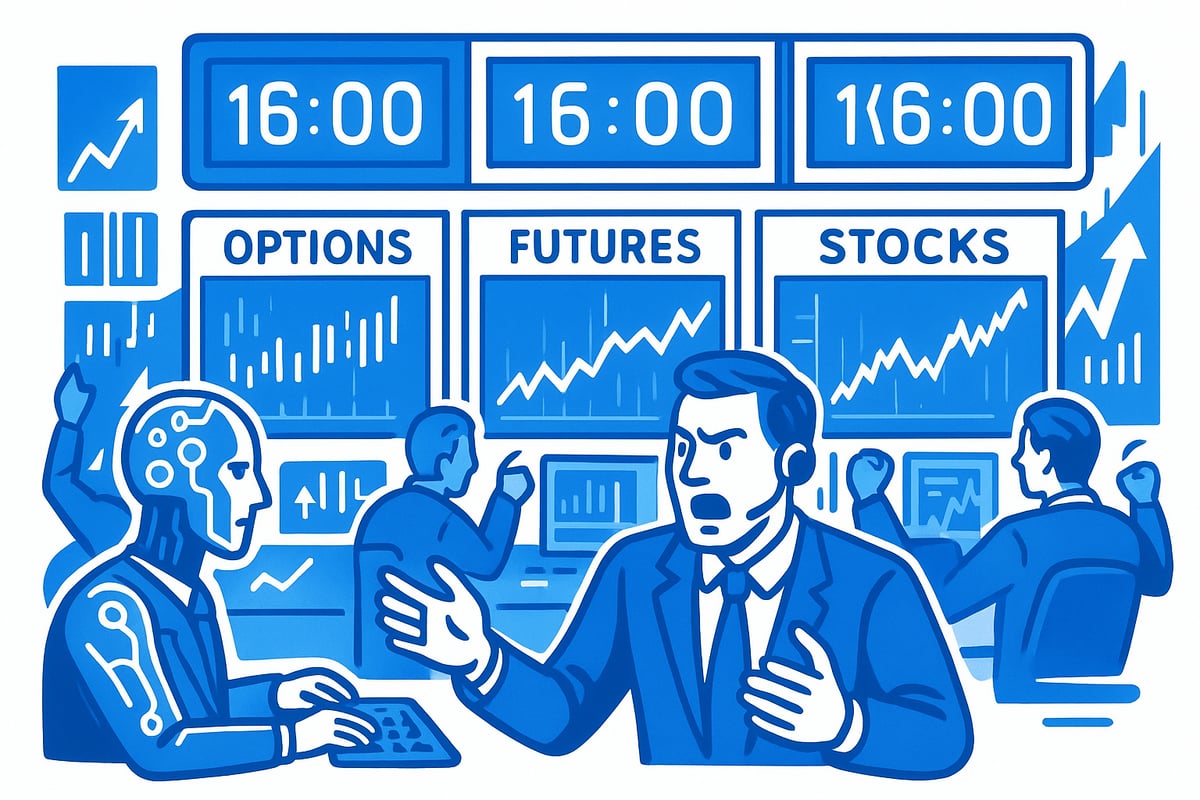
How Expirations Drive Volatility
At the heart of triple witching lies the simultaneous expiration of stock index futures, stock index options, and stock options. This convergence forces market participants to adjust or close out their positions, often within a compressed timeframe. As a result, trading desks engage in a flurry of activity, rolling contracts forward or unwinding exposure to avoid unwanted risk.
These position adjustments are not limited to individual traders. Institutional players deploy sophisticated program trading and algorithmic strategies specifically designed to manage the expiration process. The sheer volume of contracts involved in triple witching can lead to abrupt price swings, especially during the last hour of trading.
Arbitrageurs also become more active, exploiting temporary price inefficiencies that emerge as expirations approach. Their actions can briefly enhance pricing efficiency but may also contribute to short-lived volatility spikes. For example, during past triple witching events, the S&P 500 and Nasdaq have experienced volatility surges of 20-30% above average Friday levels.
The open interest and trading volume in expiring contracts play a significant role in amplifying these effects. When open interest is high, the need to adjust or close positions is greater, fueling larger market moves. Understanding these mechanics is essential for anyone seeking to navigate triple witching with confidence.
Effects on Different Asset Classes
Triple witching does not impact all asset classes equally. Stocks, for instance, often experience heightened volatility and unusual price swings, particularly in the final trading hour. Large-cap stocks usually see dramatic surges in volume, but small-cap stocks can be even more sensitive to these events. For a detailed look at why small-caps are especially reactive during triple witching, see Understanding small-cap stocks.
Index futures, such as those tied to the S&P 500, can witness rapid price changes and wider spreads as traders rush to manage expiring positions. Options markets face their own set of challenges, with rapid time decay and abrupt shifts in implied volatility complicating trade execution and risk management.
ETFs and mutual funds may not be the direct focus of triple witching, but they are still impacted through the movements of their underlying assets. The ripple effect can alter net asset values and create indirect volatility for fund investors.
A key takeaway is that the exposure to triple witching varies significantly by product. Large-cap stocks may absorb the bulk of trading volume, but small-caps and sector-specific ETFs can experience outsized moves in response to even modest order flows. Recognizing these differences is crucial for aligning trading and investment strategies with the unique risks of triple witching.
Liquidity, Spreads, and Execution Challenges
During triple witching, liquidity can become both a blessing and a curse. While overall trading volume surges, the quality of liquidity often deteriorates. Bid-ask spreads widen, making it more expensive to enter or exit positions. This environment increases the risk of slippage, where trades are executed at less favorable prices than intended.
Temporary liquidity crunches may also occur, particularly in less-traded securities. These moments can lead to flash moves or even erroneous trades, as order books become thin and price discovery falters. Retail traders, lacking the direct market access and tools of institutions, are especially vulnerable to these challenges.
Case studies from past triple witching sessions highlight the importance of preparation. For example, during the September 2020 triple witching, several large-cap stocks saw momentary price dislocations due to aggressive end-of-day order flows. Retail participants faced higher slippage and struggled to execute trades at expected prices.
Institutional traders often mitigate these risks by leveraging advanced order routing and execution algorithms. For retail investors, understanding the dynamics of the order book can provide an edge in navigating volatile conditions and avoiding costly execution errors.
Ultimately, both seasoned professionals and newcomers must respect the unique liquidity dynamics of triple witching. Careful planning, disciplined execution, and a clear understanding of market structure are vital to managing the inherent challenges and seizing the opportunities that arise during these high-stakes trading hours.
Historical Patterns and Lessons from Triple Witching Events
Every year, traders brace for the unique challenges and opportunities that triple witching brings. By examining historical data and past trading behavior, investors can better understand what to expect and how to prepare. Let us break down the key lessons from years of triple witching events.
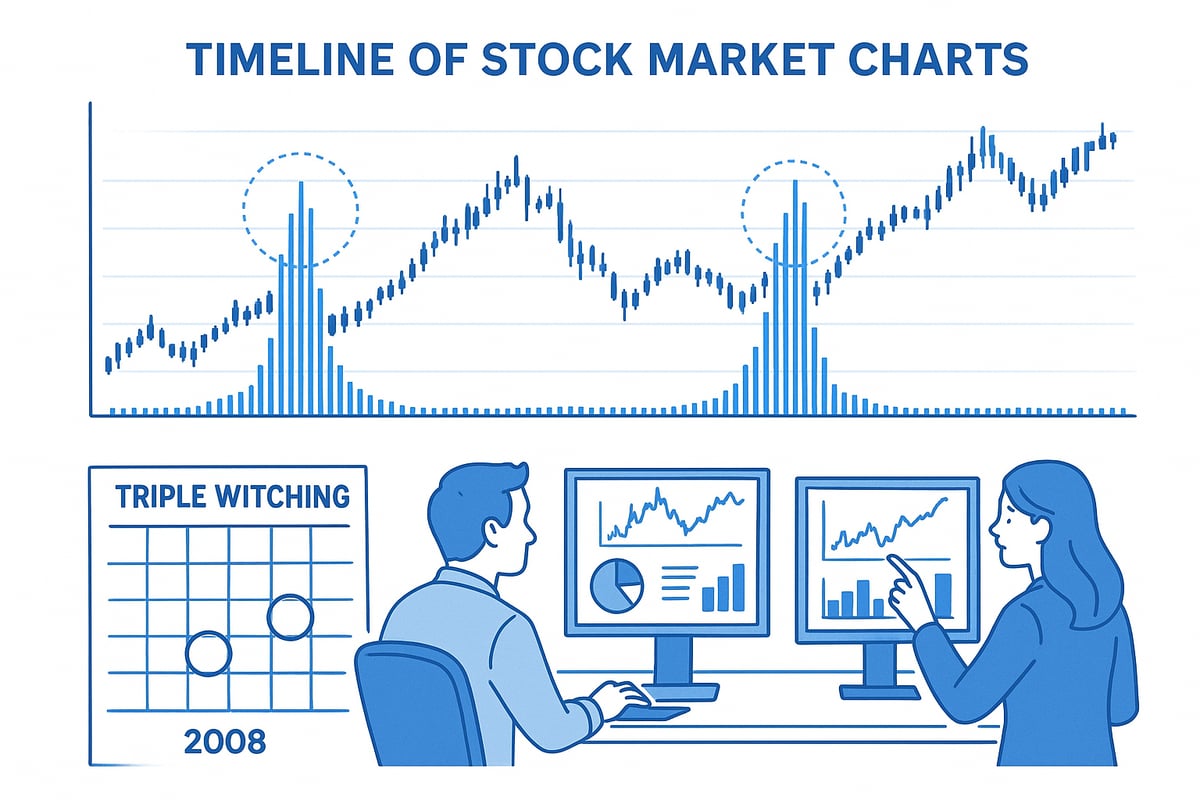
Statistical Trends and Notable Case Studies
Triple witching is known for its impact on trading volume and volatility. On these days, the simultaneous expiration of multiple derivatives creates a surge in market activity. Historically, average trading volume on triple witching Fridays can be 30 to 50 percent higher than normal Fridays. Volatility indices, such as the VIX, also tend to spike, reflecting increased uncertainty.
| Metric | Regular Friday | Triple Witching Friday |
|---|---|---|
| S&P 500 Volume | 2.5B shares | 3.5B–4B shares |
| VIX Average | 15 | 18–22 |
| Price Swing Range | 0.8% | 1.2–1.6% |
Some years stand out for dramatic triple witching effects. In 2008, as the financial crisis unfolded, the September triple witching session saw unusually sharp market moves. Similarly, the March 2020 event coincided with pandemic-driven volatility, amplifying price swings and volume.
Patterns often emerge, such as increased volatility in the days leading up to triple witching, followed by a reversion to normal afterward. However, the macroeconomic backdrop can either intensify or dampen these effects. For a deeper dive into S&P 500 returns and statistical patterns during these weeks, review the historical market performance during triple witching weeks.
Learning from these patterns is essential. While history gives clues, each triple witching event brings its own variables.
Common Trader Mistakes and Successes
Many traders fall into predictable traps on triple witching days. Overtrading during periods of extreme volatility is a common error. Some fail to adjust stop losses, exposing themselves to sharp, unexpected moves. Others underestimate how quickly liquidity can dry up, leading to poor order execution.
On the other hand, some traders capitalize on the predictable volume surges. By planning ahead and sticking to their strategies, they benefit from the temporary inefficiencies that triple witching introduces.
Key lessons from past triple witching sessions include:
- Always review and adjust risk parameters before the event.
- Avoid impulsive trades during peak volatility.
- Use limit orders to manage execution risk.
Patience often wins over aggression when the market is unpredictable. Learning from both mistakes and successes helps traders refine their approach for future triple witching periods.
The Value of Historical Market Analysis
Reviewing past triple witching events is crucial for pattern recognition and strategic planning. Institutional traders often leverage historical data to anticipate liquidity crunches, volatility spikes, and price behavior.
For example, by examining historical volatility charts, traders can set realistic expectations for price swings and volume surges. This preparation allows for better risk management and more informed decision-making during triple witching.
Continual analysis of past triple witching patterns helps both retail and professional investors adapt to evolving market conditions. Knowledge of history does not guarantee future outcomes, but it equips traders with valuable context for navigating these high-stakes sessions.
What’s New for Triple Witching in 2026? Key Changes and Market Drivers
Every year, traders brace for the unpredictable nature of triple witching. But 2026 brings a fresh set of changes that could reshape how the market responds. Understanding these updates is crucial for anyone preparing for the next round of triple witching volatility.

Regulatory and Structural Market Changes
In 2026, several regulatory shifts are influencing the triple witching landscape. Exchanges and regulators have adjusted margin requirements for certain derivatives, aiming to stabilize markets during peak volatility. These changes mean traders may need to allocate more capital or adjust their risk strategies ahead of triple witching expirations.
Another notable development is the modification of trading hours for select derivatives products. Some exchanges have extended after-hours trading or synchronized contract expirations to minimize price dislocations. New products, including sector-specific index options, have been introduced since 2025, expanding the scope of instruments affected by triple witching.
The structure of closing auctions has also evolved. According to BMLL's insights on closing auctions during triple witching, trading volumes and order types at the close have shifted, resulting in more concentrated liquidity and sharper price moves in the final minutes. These structural changes directly impact how traders should approach execution and manage risk during triple witching.
Macro Trends and Economic Backdrop
The economic environment in 2026 is expected to play a major role in shaping triple witching outcomes. Central bank policies remain in focus, with interest rates projected to stay elevated compared to previous years. Persistent inflation pressures are influencing derivatives pricing, leading to more cautious positioning among institutional traders.
Geopolitical factors, including ongoing trade negotiations and regional tensions, may inject additional uncertainty into triple witching periods. Key earnings cycles are also scheduled to align with some expiration dates, which could amplify price swings in major sectors.
Sector rotation trends are another factor to watch. As investors adjust portfolios in response to macroeconomic shifts, triple witching could see heightened activity in technology, energy, and financial stocks. This interplay between macro forces and expiration-driven volatility underscores the need for careful planning ahead of triple witching in 2026.
Technology and Trading Innovations
Technology continues to drive change in how traders experience triple witching. In 2026, trading platforms offer enhanced order routing and real-time analytics, giving traders deeper insights into market flows as contracts expire. Execution algorithms have become more adaptive, responding dynamically to sudden surges in volume and volatility.
Artificial intelligence is now widely used for predicting volatility spikes during triple witching, helping both retail and institutional traders anticipate and respond to fast-moving conditions. Retail participation has also grown, with user-friendly apps and commission-free trading making it easier for individuals to engage with the market during high-impact expiration days.
These innovations can offer an edge, but they also increase competition and speed. Staying informed about the latest technologies is essential for anyone aiming to capitalize on triple witching opportunities in 2026.
Calendar: Triple Witching Dates for 2026
Mark your calendar for the key triple witching dates in 2026:
| Month | Date | Notable Events |
|---|---|---|
| March | March 20, 2026 | Fed decision week |
| June | June 19, 2026 | Major tech earnings releases |
| September | September 18, 2026 | Sector ETF rebalancing |
| December | December 18, 2026 | Year-end portfolio adjustments |
On these Fridays, expect heightened activity, especially in the final trading hour. Watch for overlapping earnings releases or major economic announcements that could add fuel to triple witching volatility. Prepare in advance by reviewing your portfolio and setting alerts for these dates to stay ahead of potential market moves.
Step-by-Step Guide: Navigating Triple Witching Volatility in 2026
Facing the unpredictable waves of triple witching can be daunting for any trader or investor. With careful planning and disciplined execution, you can navigate the volatility and even find opportunity during these unique market events. Here is a step-by-step guide designed to help you manage risk and act confidently during triple witching in 2026.
Step 1: Preparation and Position Review
Start by reviewing every open position that might be affected by triple witching. Pay special attention to stocks, options, and futures contracts with expirations near the event. Triple witching can trigger unexpected moves, so clarity on your exposures is essential.
Use a checklist to organize your review:
- List all positions and note expiration dates.
- Identify any unhedged exposures.
- Assess the impact of volatility on each asset.
Taking time for this preparation helps you avoid surprises and ensures you are ready to respond as the triple witching session unfolds.
Step 2: Adjusting Strategies and Orders
After assessing your portfolio, it is time to adjust your trading strategies. Triple witching often brings wider price swings and unpredictable liquidity. Adjust stop losses to reflect current risk, and consider reducing position sizes to limit potential losses.
Best practices include:
- Modifying take profit and trailing stop levels.
- Using limit orders rather than market orders to manage slippage.
- Hedging with protective options or futures as needed.
These steps help safeguard your capital while positioning you to capitalize on triple witching volatility.
Step 3: Monitoring Market Signals and News
Staying alert is critical during triple witching. Monitor real-time market data for sudden spikes in volume or volatility, such as sharp moves in the VIX. Watch macroeconomic news releases and sector-specific events that could amplify market reactions.
Key monitoring tips:
- Set up alerts for unusual trading activity.
- Track news feeds for breaking developments.
- Use trading platforms with robust data and analytics.
By closely following these signals, you can react quickly when triple witching volatility accelerates.
Step 4: Executing Trades with Discipline
Triple witching can tempt traders to act impulsively, but discipline is paramount. Stick to your pre-established trading plan and do not let emotions dictate decisions. Avoid overtrading, which can increase costs and risk.
Consider these execution principles:
- Trade only when your setup matches your plan.
- Size trades appropriately for heightened volatility.
- Document each trade for later review.
A disciplined approach helps you withstand the chaos of triple witching and improves long-term performance.
Step 5: Post-Witching Assessment and Learning
Once the dust settles, review your trading outcomes. Analyze what worked, what did not, and how triple witching impacted your results. Journaling lessons learned will strengthen your approach for future events.
Include in your assessment:
- Compare actual market behavior to your expectations.
- Identify missed opportunities or avoidable losses.
- Study historical patterns and consult resources like this academic study on triple witching effects to deepen your understanding.
Continuous learning is vital for adapting to the evolving nature of triple witching volatility.
Risk Management Essentials for Triple Witching
Effective risk management is the foundation of success during triple witching. Diversify your holdings and manage position sizes to minimize the impact of sudden moves. Protective options or futures can serve as insurance against adverse price swings.
Keep these essentials in mind:
- Do not risk more than you can afford to lose.
- Set realistic profit and loss targets.
- Review risk parameters before each triple witching event.
By prioritizing risk management, you can approach triple witching with confidence and resilience.
Advanced Strategies for Traders and Investors
Navigating the volatility and opportunity of triple witching requires specialized strategies. Both seasoned traders and investors can benefit from advanced tactics tailored to this unique event. Let’s break down actionable approaches for options, futures, arbitrage, portfolio management, and mental resilience.
Options and Futures Tactics
Options and futures contracts are at the core of triple witching events. Traders often face expiring positions, making tactical decisions essential.
Rolling contracts is a popular move. By closing out expiring options or futures and opening new ones with later expiration dates, you can maintain your exposure without being forced into the market’s most volatile hour.
Spreads, such as calendar spreads, allow you to profit from differences between near-term and longer-term volatility. For instance, a calendar spread involves selling a near-term option and buying a longer-term option on the same underlying asset. This strategy leverages the price swings often seen during triple witching.
Other tactics include:
- Straddles: Buying both a call and put at the same strike to profit from large moves in either direction.
- Strangles: Buying out-of-the-money calls and puts to target outsized volatility.
- Protective puts: Hedging long stock positions against sharp declines.
Triple witching’s unique environment often amplifies time decay and implied volatility shifts, so timing and risk control are crucial.
Arbitrage and Program Trading Opportunities
Triple witching creates fertile ground for arbitrage and program trading. As expirations converge, price inefficiencies often surface between related instruments. Institutional traders deploy sophisticated algorithms to exploit these short-lived gaps.
Arbitrage strategies include index arbitrage, where traders buy or sell baskets of stocks against index futures to profit from price discrepancies. Program trading, fueled by automated orders, can cause rapid price movements and increased volume.
These activities put the efficient market hypothesis explained to the test, as temporary mispricings become more frequent. However, arbitrage carries risks, including execution delays and slippage, especially in fast-moving triple witching markets.
Long-Term Investors: To Trade or Sit Tight?
For long-term investors, triple witching presents a dilemma. Should you act or ignore the noise?
Trading around triple witching can capture short-term volatility, but it also introduces more risk and the potential for mistimed entries or exits. Many passive investors opt to stay the course, recognizing that most price swings are temporary and often reverse in subsequent sessions.
Studies show that index funds and ETFs typically experience only brief deviations from their underlying value during triple witching. For most long-term portfolios, patience and discipline often outperform reactive trading.
Retail vs. Institutional Approaches
Retail traders and institutional players approach triple witching with vastly different resources.
Institutions have access to advanced analytics, direct market access, and large-scale program trading. Their strategies often involve complex arbitrage or hedging tactics that are difficult for individuals to replicate.
Retail traders, by contrast, should focus on:
- Avoiding market orders during volatile periods
- Using limit orders to control entry and exit prices
- Maintaining strict risk controls
Learning from institutional discipline and planning can help retail traders avoid common pitfalls during triple witching.
Psychological Preparation and Mindset
Triple witching can test even the most experienced trader’s nerves. Staying calm is vital. Avoid fear of missing out (FOMO) and resist the urge to chase quick profits.
Discipline and patience are your best allies. Prepare a plan, stick to your rules, and review your performance after the event. Mastering your mindset is as important as mastering your strategy.
Resources for Further Learning and Real-Time Monitoring
Staying ahead of triple witching volatility requires both a deep foundation of knowledge and access to timely, actionable data. Whether you are a new trader or an experienced investor, building your expertise around triple witching will help you adapt to rapidly changing market conditions.
To master triple witching, start with these trusted resources:
- Books and Research: Look for comprehensive texts on derivatives, market structure, and volatility. Titles such as "Options, Futures, and Other Derivatives" by John C. Hull provide foundational concepts essential for navigating triple witching.
- Official Exchange Calendars: Major exchanges like the NYSE and CME publish yearly calendars detailing all expiration dates, including triple witching. Bookmark these pages to stay organized.
- Volatility and Volume Tracking Tools: Platforms such as Bloomberg, Yahoo Finance, and TradingView offer real-time data on indices like the VIX, as well as intraday volume spikes. These are crucial for monitoring triple witching activity.
- Real-Time News and Alerts: Subscribe to financial news services such as Reuters, CNBC, or The Wall Street Journal. Set up custom alerts to track breaking news and market-moving announcements on triple witching days.
- Educational Webinars and Community Forums: Many brokers and financial educators host webinars around major expiration events. Join online forums and trading groups to exchange insights and strategies with peers.
For a deeper understanding of the derivatives that drive triple witching, review this Guide to forward contracts. This resource helps clarify how forward contracts and similar instruments influence market dynamics during expiration periods.
Continual learning is key. By combining up-to-date research, real-time monitoring tools, and active engagement with the trading community, you can confidently approach every triple witching event with a well-informed strategy.
If you’re eager to turn market chaos into opportunity during triple witching in 2026, you’re not alone. Understanding the patterns behind past volatility is more than just interesting—it’s essential for making smart moves when it counts. That’s why we’re building a platform where you can explore historical market events, analyze interactive charts, and get real-time insights powered by AI. By learning from the past, you can spot trends, avoid common mistakes, and trade with greater confidence. If you want to shape this resource and stay ahead of the curve, Join as a Beta User and help us bring history to life.