
Quantitative Tightening Guide: What Investors Need to Know 2026
In 2026, investors are navigating an unprecedented wave of quantitative tightening as central banks around the world shrink their balance sheets and withdraw liquidity from markets. This shift is reshaping investment strategies and challenging long-held assumptions about risk and return.
Understanding quantitative tightening is crucial for anyone seeking to protect and grow their portfolio in this evolving landscape. This guide breaks down the mechanics, explores why central banks are using this tool, and reveals what it means for markets, the economy, and your investments.
Are you prepared for the new era of monetary policy? Read on to discover actionable insights and practical steps to help you adapt with confidence.
Understanding Quantitative Tightening: Definition and Mechanisms
Understanding quantitative tightening is essential for investors navigating today’s changing monetary landscape. As central banks shift away from extraordinary stimulus, it is critical to grasp the definition, mechanics, and implications of this policy tool.
What Is Quantitative Tightening?
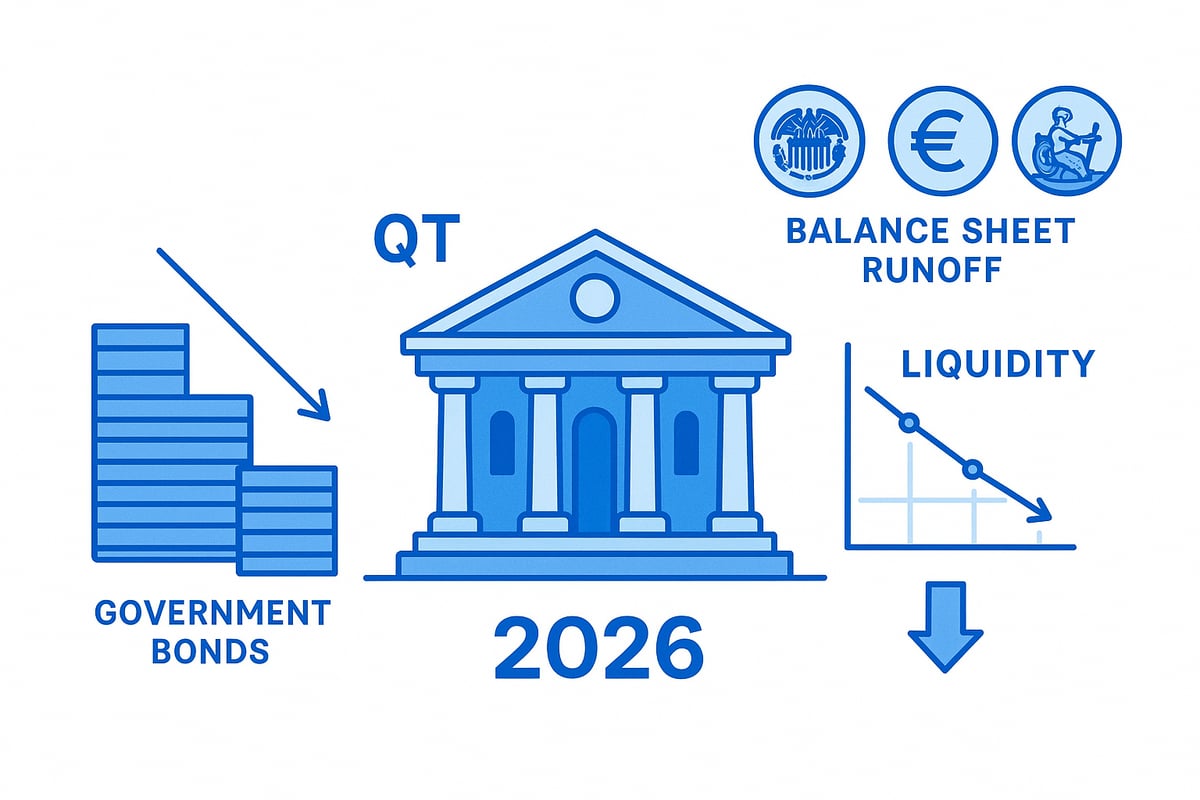
Quantitative tightening is the process by which central banks reduce the size of their balance sheets, reversing the expansion from quantitative easing. Unlike QE, which injects liquidity by purchasing assets, quantitative tightening contracts liquidity by letting assets mature or selling them outright.
For example, the U.S. Federal Reserve’s balance sheet grew to nearly $4.5 trillion after multiple QE rounds, according to the St. Louis Fed. During quantitative tightening, terms such as balance sheet runoff, asset sales, and reserve reduction become central. The Federal Reserve, European Central Bank, and Bank of England each use different approaches, but the goal is the same: to gradually remove excess liquidity from the financial system. For a deeper historical perspective in QT cycles, investors can explore how past tightening episodes have shaped current policy thinking.
How Does Quantitative Tightening Work?
Quantitative tightening operates through several key steps. When bonds or mortgage-backed securities on the central bank’s balance sheet mature, the bank can choose not to reinvest the proceeds. This is called balance sheet runoff. Alternatively, the central bank may sell assets directly into the market.
Central banks often set monthly caps on how much they allow to run off, such as $30 billion in Treasuries and $20 billion in mortgage-backed securities, based on Federal Reserve practices. This process drains reserves from the banking system, tightening the money supply. Open market operations help manage day-to-day liquidity as QT progresses. Some central banks opt for a gradual approach, while others may act more abruptly. Transparent communication is crucial to avoid surprising markets and to manage expectations during quantitative tightening.
Why Are Central Banks Implementing QT in 2026?
Central banks are pursuing quantitative tightening in 2026 primarily to control inflation and return monetary policy to more normal settings after years of stimulus. Prolonged QE increased financial system risks, and now policymakers are aiming to reduce those risks by shrinking balance sheets.
Labor market conditions and economic growth also influence the pace and scale of quantitative tightening. The ECB and Bank of England have shifted policy in response to persistent inflation data. While some central banks coordinate their moves, others diverge based on domestic needs. In 2026, the world faces lingering inflationary pressures and ongoing recovery from the pandemic, making quantitative tightening a key tool for restoring balance in the global economy.
Key Differences Between QT and Other Monetary Tools
Quantitative tightening differs from tools like interest rate hikes or forward guidance. While rate hikes influence borrowing costs indirectly, quantitative tightening directly reduces liquidity by shrinking central bank assets. Forward guidance shapes market expectations, but QT alters the actual supply of money and reserves.
During the 2017–2019 Fed QT cycle, both QT and rate hikes were used, amplifying their effects. The current 2022–2026 period highlights the combined impact of multiple tools. History shows that abrupt or poorly communicated quantitative tightening can spark market volatility and unintended consequences. Comparing these cycles helps investors understand the risks and design resilient strategies.
The Impact of Quantitative Tightening on Financial Markets
Investors in 2026 are navigating an environment shaped by accelerated quantitative tightening. The effects ripple through every corner of the market, from government bonds to equities, and even alternative assets. Understanding these impacts is essential for adapting strategies and protecting capital.
Effects on Asset Prices and Yields
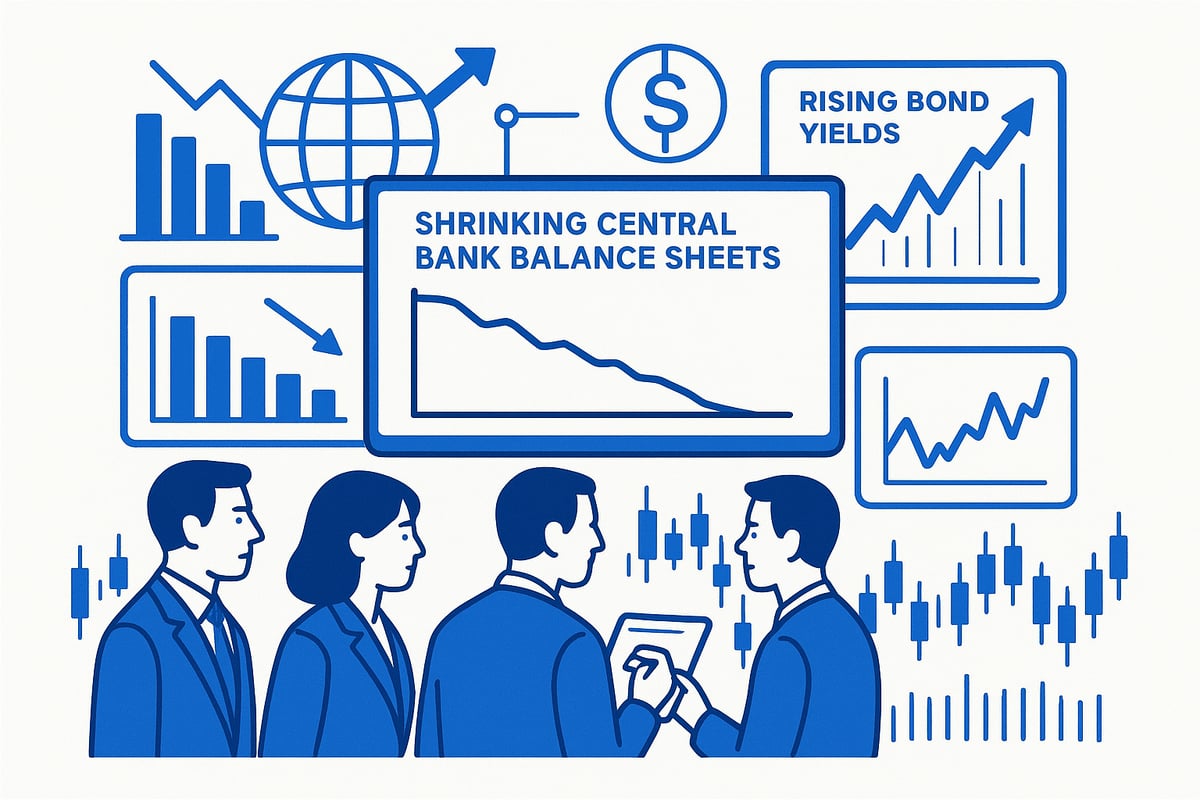
Quantitative tightening directly influences asset prices and yields by reducing liquidity and increasing the supply of government securities. As central banks let assets mature or sell them, yields on instruments like U.S. Treasuries tend to rise, reflecting the greater supply and lower demand.
Equities often experience valuation compression, as higher yields increase the risk premium investors demand. Real estate and mortgage-backed securities are especially sensitive to these shifts. For example, during the 2017 to 2019 period of quantitative tightening, the U.S. 10-year yield rose, and asset prices broadly declined. For a forward-looking perspective, J.P. Morgan's analysis on fiscal and monetary policies reshaping fixed income in 2026 provides deeper insight into how current cycles could impact bond markets.
Liquidity and Volatility in Markets
A hallmark of quantitative tightening is the reduction of market liquidity. As central banks withdraw reserves, fewer funds circulate in the financial system, making it harder for investors to buy or sell assets without affecting prices.
This environment can lead to higher volatility in both stock and bond markets. Stress points may emerge in repo and money markets, as seen in the 2019 spike. Central banks sometimes respond with targeted interventions to prevent systemic disruptions. Investors should prepare by managing liquidity risk and monitoring market signals for early warning signs.
Sector-Specific Impacts
Different sectors respond uniquely to quantitative tightening. Financial institutions may benefit from rising yields, which can improve net interest margins, but also face risks from tighter credit conditions.
Technology and growth stocks are typically more vulnerable to higher rates, while utilities and defensive sectors often show resilience. Commodities may react indirectly, influenced by shifts in the U.S. dollar and global growth rates. Emerging markets are particularly sensitive, as capital outflows can increase during periods of tightening in developed economies.
Historical Market Reactions to QT
Looking back, quantitative tightening has often triggered notable market corrections. During the 2017 to 2019 U.S. QT cycle, the S&P 500 experienced a sharp correction in late 2018. Similar patterns were observed in the eurozone and the UK during their own QT phases.
Lessons from the 2022 to 2025 cycle include increased volatility and significant drawdowns in risk assets. Data shows a strong correlation between the pace of quantitative tightening and market declines, highlighting the importance of monitoring central bank actions closely.
Investor Sentiment and Behavioral Shifts
Quantitative tightening generally leads to greater risk aversion among investors. Many shift toward safer assets, such as short-term bonds and cash equivalents, and reduce leverage or margin use.
This behavioral change often results in a rotation from growth to value stocks. Fund flows typically move out of equities and into defensive assets. Institutional and retail investors may respond differently, but both groups must remain disciplined and avoid emotional decision-making during volatile periods.
Quantitative Tightening and the Broader Economy
Quantitative tightening is reshaping the economic landscape in 2026 as central banks worldwide contract their balance sheets. This shift reverberates through interest rates, job markets, inflation, lending, and global capital flows. Understanding these mechanics is crucial for investors aiming to navigate the challenges and opportunities ahead.
Transmission Mechanisms: How QT Affects the Economy
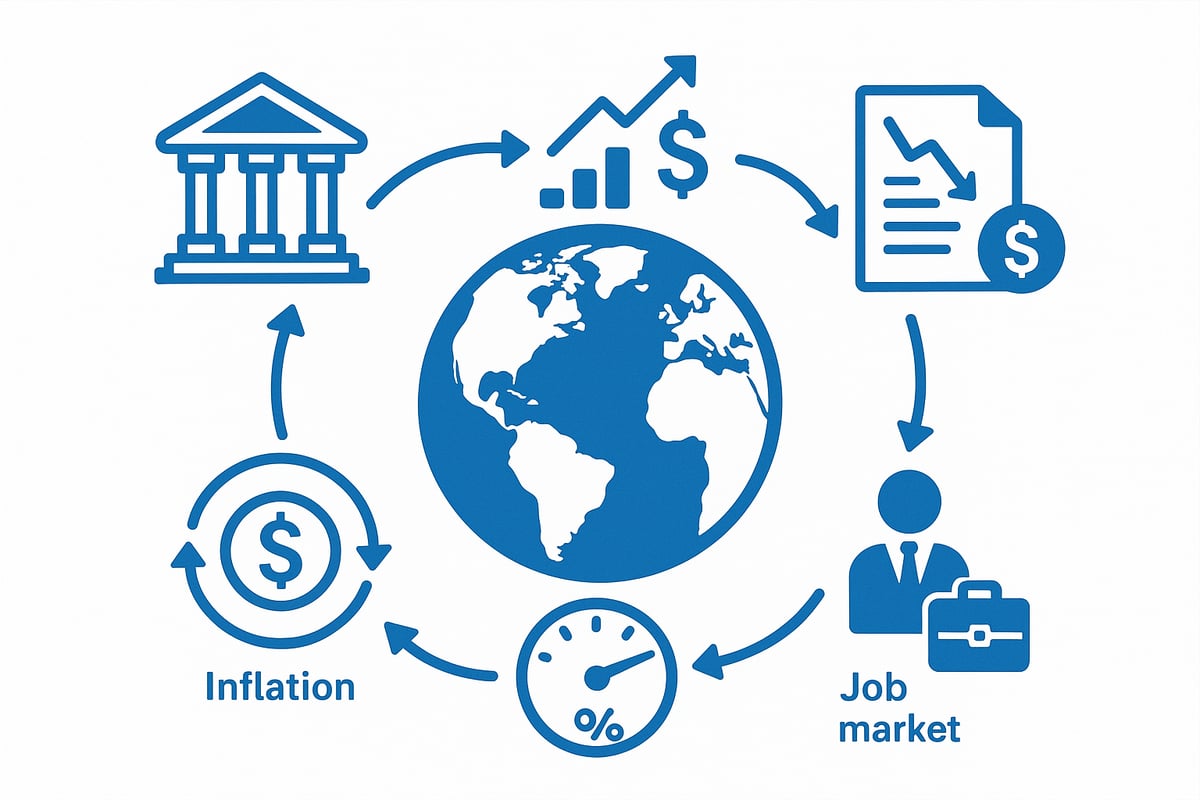
Quantitative tightening operates through several key transmission channels that directly influence the broader economy. As central banks reduce their asset holdings, interest rates tend to climb due to decreased liquidity and increased supply of government bonds. This process tightens credit conditions for both consumers and businesses, making borrowing more expensive.
Lower asset prices, resulting from reduced liquidity, can dampen consumer wealth and spending, feeding back into slower economic growth. Historical data from previous periods of quantitative tightening show that U.S. GDP growth often moderated as financial conditions tightened. The European Central Bank and other global institutions transmit these effects through interconnected banking and capital markets, amplifying the impact.
Labor Markets and Employment
Quantitative tightening can have a significant impact on labor markets by influencing the overall pace of economic activity. As borrowing costs rise, some businesses may postpone investment or hiring plans, leading to slower job creation. Sectors sensitive to financing, like construction and manufacturing, often feel the effects more acutely during periods of tightening.
In the U.S., the 2017–2019 round of quantitative tightening coincided with a modest uptick in unemployment and a cooling of wage growth. Projections for 2026 suggest that while the labor market remains resilient, wage increases may moderate and participation rates could plateau. Policymakers will closely monitor these indicators to avoid unintended spikes in joblessness.
Inflation and Price Stability
Central banks rely on quantitative tightening as a tool to bring inflation under control. By reducing excess liquidity, QT helps moderate demand-side pressures that can drive prices higher. However, the effects of quantitative tightening can take time to materialize, often lagging behind rate hikes.
If central banks tighten too aggressively, there is a risk of overshooting and causing disinflation or even mild deflation. In 2026, both the European Central Bank and Federal Reserve are targeting inflation rates close to their long-term goals, balancing the need for price stability with the risk of stifling growth. Historical Consumer Price Index (CPI) trends show that inflation typically decelerates during sustained QT cycles.
Credit Markets and Lending Conditions
Quantitative tightening reduces the reserves available to banks, which in turn can constrain their ability to lend. This environment pushes corporate bond spreads wider, increases default risk, and raises mortgage rates, making homeownership less affordable for many.
During late-stage QT cycles, credit contraction has been observed, especially among smaller businesses and consumers with weaker credit profiles. Monitoring lending trends is critical, as a prolonged tightening phase can lead to reduced access to capital and slower economic expansion. The interplay between quantitative tightening and credit conditions remains a focal point for both policymakers and investors.
Global Spillovers and Emerging Markets
The global reach of quantitative tightening extends well beyond major developed economies. Capital outflows from emerging markets often accelerate as investors seek higher yields and safer assets in regions undergoing QT. This can result in currency volatility and financial stress for countries with large external debts.
A notable case from 2018 saw emerging market currencies sell off sharply during the Fed’s tightening phase. In 2026, as outlined in the IMF's October 2025 World Economic Outlook, policymakers are watching for signs of synchronized or staggered QT cycles and their effects on global stability. Emerging market central banks may respond with their own rate hikes or capital controls to buffer these shocks.
Lessons from Past Quantitative Tightening Cycles
Learning from previous cycles of quantitative tightening is essential for investors preparing for 2026. History offers valuable context for understanding policy impacts, market reactions, and the importance of central bank communication. Each tightening phase reveals unique challenges and lessons that shape future strategies.
The 2017–2019 U.S. QT Experience
The Federal Reserve’s first major quantitative tightening cycle began in 2017 and continued through 2019. The process involved reducing the Fed’s balance sheet by letting assets mature and not reinvesting the proceeds. As a result, markets saw higher yields, a tightening of financial conditions, and a notable S&P 500 correction in late 2018.
Communication played a pivotal role. The Fed initially set a gradual runoff pace, but as quantitative tightening intensified, market volatility increased. Ultimately, the Fed paused and reversed course when liquidity stress emerged, highlighting the delicate balance required. The experience underscored that the pace and transparency of quantitative tightening can significantly influence both risk appetite and economic growth.
Global QT Episodes: ECB, BOE, and Others
Outside the U.S., the European Central Bank and the Bank of England also pursued quantitative tightening, but each followed different paths. The ECB started balance sheet reduction after 2018, focusing on ending asset purchases before allowing maturities to roll off. The Bank of England went further, not only ending reinvestments but also selling assets directly.
These approaches produced varying effects on eurozone and UK asset prices. For example, the BOE’s strategy aimed to transfer interest rate risk to the private sector, as discussed in Bank of England's QT strategy and interest rate risk. This shift impacted UK markets and offered lessons in managing the transition from accommodative to restrictive policies. Global cycles revealed that coordination, pace, and communication all matter when central banks implement quantitative tightening.
Unintended Consequences and Policy Reversals
No cycle of quantitative tightening has unfolded without surprises. In 2019, the U.S. repo market experienced a sudden liquidity crunch, forcing the Fed to inject emergency funds and halt tightening. This episode illustrated how even carefully planned QT can trigger unexpected market disruptions.
Central banks learned that flexibility is vital. Rapid responses to market stress, clear messaging, and ongoing monitoring can help limit damage. Communication missteps, such as ambiguous signals or abrupt policy changes, have fueled volatility. Sudden reversals, while sometimes necessary, can also undermine market confidence in central bank strategy during periods of quantitative tightening.
What Worked—and What Didn’t
A review of past cycles highlights key success factors and pitfalls. Gradual, transparent tightening helped markets adjust, while aggressive QT often led to volatility. Coordination with fiscal policy and timely adjustments proved beneficial. The table below summarizes lessons for investors facing quantitative tightening in 2026:
| Approach | Outcome |
|---|---|
| Gradualism | Smoother market adaptation, less volatility |
| Clear Guidance | Improved investor confidence, reduced uncertainty |
| Aggressive Tightening | Liquidity stress, market corrections |
| Flexibility | Faster recovery from shocks, better risk management |
Investors who adapted quickly and maintained diversified portfolios fared better. As central banks prepare for new cycles, these lessons from quantitative tightening remain relevant for building resilience and avoiding repeated mistakes.
Practical Strategies for Investors During Quantitative Tightening
Adapting to quantitative tightening in 2026 requires a disciplined, multi-faceted approach. Investors need clear strategies to manage risk, preserve capital, and seize new opportunities as central banks shrink their balance sheets. The following practical steps can help guide portfolio decisions and support resilience through the tightening cycle.
Portfolio Positioning: Asset Allocation and Diversification
During quantitative tightening, portfolio positioning becomes crucial. Investors often shift toward defensive sectors and value stocks to limit downside risk as market liquidity contracts. Increasing allocations to short-duration bonds and cash helps reduce interest rate sensitivity.
A diversified approach across asset classes and geographies can smooth returns. For example, during the 2017–2019 cycle, rebalancing portfolios to include more stable assets helped manage volatility. Reducing exposure to speculative or high-leverage positions further safeguards capital when central banks are withdrawing liquidity. Regular reviews and tactical adjustments are essential for navigating the evolving landscape of quantitative tightening.
Managing Interest Rate and Credit Risk
Quantitative tightening directly impacts both interest rates and credit conditions. Shortening bond portfolio duration is a common hedge against rising yields. Monitoring credit spreads and focusing on high-quality issuers helps mitigate default risk.
Investors should be cautious with leveraged loans and high-yield bonds, which are vulnerable during tightening cycles. Understanding the dynamics of net interest margin can also help evaluate bank profitability and lending trends under quantitative tightening. Reviewing bond fund flows and issuer quality offers practical insight into market sentiment and risk.
Navigating Volatility and Liquidity Challenges
Market volatility often rises during periods of quantitative tightening. Building liquidity buffers in portfolios is a prudent first step. Investors can use options and volatility hedges to protect against sharp market swings while avoiding crowded trades and illiquid assets.
Tactical trading may be appropriate for some, but a long-term perspective remains key. The 2019 liquidity crunch showed how quickly market conditions can change. Monitoring central bank actions and maintaining flexibility can help investors manage liquidity risk and adapt to sudden disruptions during quantitative tightening.
Global Opportunities and Risks
Quantitative tightening is not uniform across regions. Assessing relative value between developed and emerging markets can uncover new opportunities. Currency risk management becomes more important as capital flows shift in response to policy divergence.
Identifying resilient economies and sectors, such as those less reliant on external financing, can help offset risks. For instance, some emerging markets outperformed during past tightening cycles by maintaining strong balance sheets. Closely monitoring global central bank policies ensures that investors stay ahead of potential shocks driven by quantitative tightening.
Behavioral Finance: Avoiding Emotional Mistakes
Emotional discipline is vital during quantitative tightening. Market noise and volatility can tempt investors to panic sell or abandon strategies. Staying committed to a well-defined plan helps avoid costly errors.
Using checklists and rules-based approaches can reinforce rational decision-making. Historical perspective is invaluable for understanding that drawdowns are part of the cycle. Investors who remain calm and stick to their process often outperform those who react emotionally to the stresses of quantitative tightening.
Tools and Resources for Staying Informed
Success during quantitative tightening depends on staying informed. Monitoring central bank announcements, economic data, and market trends helps investors anticipate changes. Leveraging financial news, analytics platforms, and scenario analysis tools adds depth to research.
Platforms like FRED and central bank dashboards provide real-time data for stress testing and portfolio review. Building a network of trusted advisors and regularly reviewing strategy ensures portfolios remain aligned with the realities of quantitative tightening.
The Value of Historical Perspective in QT Investing
Learning from the past is a powerful advantage during quantitative tightening. Platforms such as Historic Financial News offer interactive analysis and AI-powered summaries of previous tightening episodes. Access to original news coverage provides authentic context for understanding market reactions.
By studying historical cycles, investors can identify patterns, avoid repeating mistakes, and make more informed decisions. This perspective empowers investors to navigate the complexities of quantitative tightening with greater confidence and clarity.
Quantitative Tightening in 2026: Scenarios and What to Watch
Navigating the landscape of quantitative tightening in 2026 requires vigilance, adaptability, and a clear understanding of evolving central bank policies. Investors face a dynamic environment shaped by global monetary authorities, shifting market expectations, and potential risks. This section breaks down the key scenarios, indicators, and steps for successfully managing portfolios as quantitative tightening accelerates.
Central Bank Policy Outlooks for 2026
In 2026, central banks are expected to continue quantitative tightening, but with varied approaches and timelines. The Federal Reserve is projected to maintain its balance sheet reduction, using a mix of asset maturities and potential Treasury bill purchases. For instance, the Federal Reserve's T-bill purchases to manage liquidity illustrate how central banks may tweak QT to avoid market disruptions.
The European Central Bank and Bank of England are likely to proceed with their own balance sheet runoffs, guided by inflation targets and economic data. The Bank of Japan may move cautiously, given its unique policy environment. Monitoring central bank meeting calendars and balance sheet projections will be vital for investors as quantitative tightening shapes global liquidity.
Economic and Market Scenarios
Quantitative tightening in 2026 presents a spectrum of possible outcomes for markets and the real economy. A "soft landing" scenario would see inflation moderating and growth stabilizing as liquidity is withdrawn at a controlled pace. Conversely, a recession could emerge if QT coincides with persistent inflation or external shocks.
| Scenario | Inflation | Growth | Asset Prices |
|---|---|---|---|
| Soft Landing | Falls | Stable | Gradual |
| Recession | Falls | Drops | Sharp Losses |
| Stagflation | High | Weak | Volatile |
Historical analogs suggest that asset classes will respond differently depending on the pace and communication of quantitative tightening. Investors should prepare for a range of asset price movements and shifting risk premiums.
Key Indicators and Warning Signs
To navigate quantitative tightening, investors must track leading signals across markets and economies. Key indicators include the yield curve, which can signal recession risk if it inverts during QT. Widening credit spreads and rising volatility indices (like the VIX) also point to increased market stress.
Economic data such as GDP growth, consumer inflation, and unemployment rates reveal how tightening is affecting broader conditions. Central bank communications, including surprise announcements or policy shifts, can quickly change sentiment. Historical events, such as the 2019 repo crisis, serve as reminders to monitor liquidity and funding markets carefully during periods of quantitative tightening.
Policy Risks and Wildcards
The road ahead is filled with policy risks and unpredictable events that could challenge the effectiveness of quantitative tightening. Central banks may misjudge the pace, risking over-tightening and triggering unintended consequences. External shocks, such as geopolitical tensions, could exacerbate financial stress.
One potential wildcard is the emergence of stagflation, where inflation remains high despite weak growth, a scenario deeply connected to restrictive monetary policy. For more on this risk, see Defining stagflation in monetary policy. Market structure vulnerabilities, such as liquidity gaps or excessive leverage, may amplify shocks. Learning from past crises underscores the importance of stress testing and contingency planning during quantitative tightening.
Action Steps for Investors in 2026
Investors should adopt a proactive approach to quantitative tightening by regularly reviewing and adjusting their strategies. Staying informed through central bank updates and market data is crucial. Building flexibility and liquidity into portfolios allows for swift adjustments as scenarios evolve.
Collaboration with financial advisors and leveraging historical analysis tools can provide valuable context and discipline. Above all, preparing for multiple outcomes, rather than anchoring to a single prediction, empowers investors to manage risk and seize opportunities as quantitative tightening continues to reshape global markets.
As you reflect on how quantitative tightening could shape your investment strategy in 2026, it’s clear that understanding history is a powerful edge. By exploring past market cycles, you can spot patterns, anticipate risks, and make smarter decisions as central banks shift course. That’s exactly what we’re building at Historic Financial News—an interactive platform designed to bring financial history to life with dynamic charts, AI-driven insights, and in-depth news coverage. If you’re ready to deepen your perspective and help shape a tool for better-informed investing, Join Our Beta.