
Market Maker Guide: Strategies and Insights for 2025
The financial world is changing faster than ever, and the market maker stands at the center of this transformation in 2025. As markets grow more complex, the opportunities and challenges for those providing liquidity have never been greater.
This guide unpacks the essential strategies, emerging trends, and expert insights shaping the market maker landscape for the coming year. You will learn about the evolving role of market makers, the impact of new technologies, regulatory updates, proven tactics, and the future outlook.
Ready to gain a competitive edge? Dive into this comprehensive guide to unlock actionable strategies and stay ahead in the dynamic market environment.
Understanding Market Makers: Core Functions and Evolution
The concept of a market maker is foundational to financial markets. These entities ensure that buyers and sellers can always find a counterparty, providing much-needed liquidity and stability. Over the years, the role of the market maker has transformed, adapting to changes in technology, regulation, and asset classes.
What is a Market Maker?
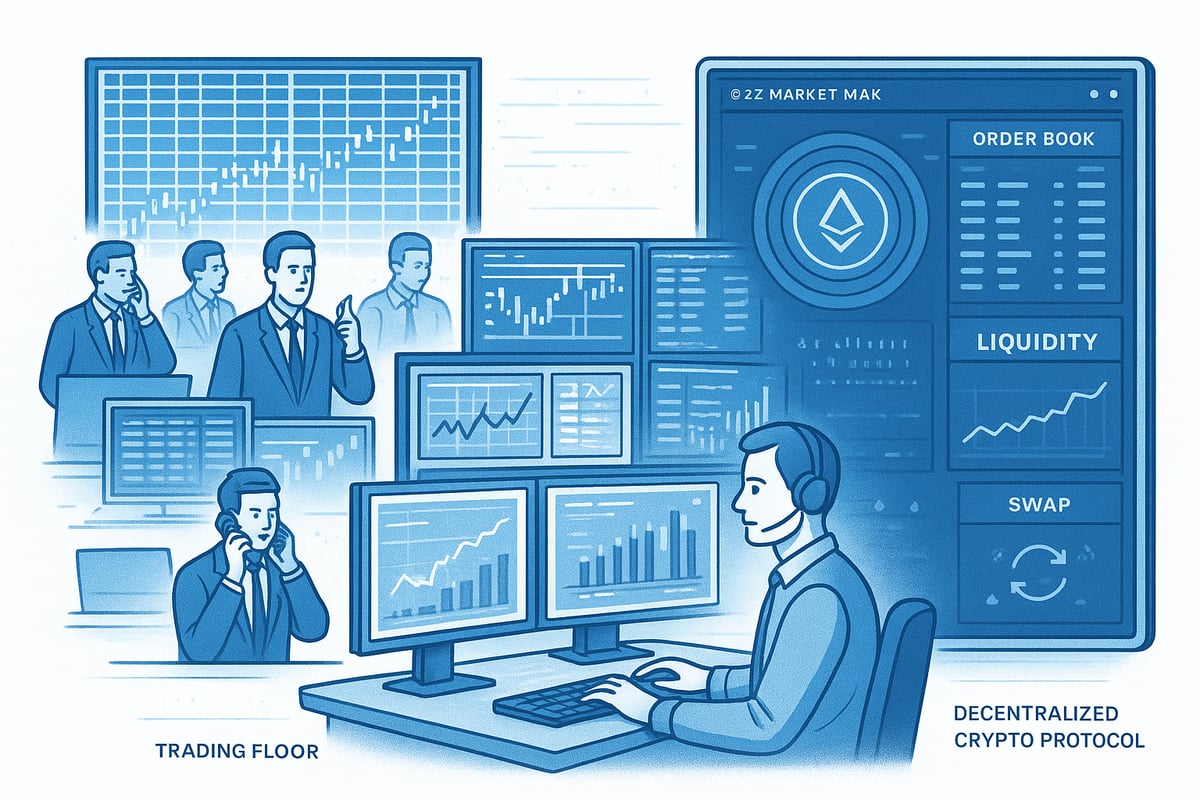
A market maker is a firm or individual that quotes both buy and sell prices for financial instruments, standing ready to trade at those prices. By constantly offering to buy and sell, a market maker maintains liquidity, allowing other participants to enter or exit positions with ease.
Profit for a market maker comes primarily from the bid-ask spread, the small difference between the price they buy at and the price they sell at. This spread compensates them for the risk of holding inventory and the service of providing continuous quotes. The presence of a market maker helps reduce price volatility and ensures smooth market operations.
For example, the New York Stock Exchange and NASDAQ rely on designated market makers to stabilize trading. In the United States, the SEC's Definition of Market Makers sets clear guidelines on the requirements and obligations these participants must meet. Compared to liquidity providers in foreign exchange or crypto, the core function of a market maker remains consistent: bridge buyers and sellers efficiently.
Market Makers Across Asset Classes
Market makers play a vital role in multiple asset classes, each with unique features and challenges. In equities, they operate on major stock exchanges as designated liquidity providers. Banks and trading firms act as primary market makers in the forex market, ensuring tight spreads for global currencies.
In derivatives, such as options and futures, a market maker provides quotes and absorbs risk, facilitating price discovery. The rise of cryptocurrencies has introduced automated market makers and decentralized protocols, offering liquidity without traditional intermediaries. Commodities and exchange-traded funds (ETFs) also depend on specialized market makers to manage supply and demand imbalances.
Here is a comparison of market maker roles by asset class:
| Asset Class | Typical Market Maker | Unique Features |
|---|---|---|
| Equities | Designated firms | Centralized exchanges, regulation |
| Forex | Banks, dealers | Global, OTC, high volume |
| Derivatives | Specialists | Complex risk, leverage |
| Crypto | AMMs, bots | Decentralized, 24/7 trading |
| Commodities | Dealers, firms | Physical settlement, storage |
| ETFs | Authorized dealers | Creation/redemption mechanism |
No matter the asset, the market maker adapts strategies to suit the specific trading environment and liquidity needs.
The Evolution of Market Making (2000–2025)
The last 25 years have seen dramatic shifts in how a market maker operates. Electronic trading platforms have replaced traditional floor trading, allowing for faster and more efficient transactions. Algorithmic advancements have enabled market makers to automate quoting and risk management, leading to tighter spreads and increased competition.
High-frequency trading (HFT) has become a dominant force, with HFT firms executing over 50% of U.S. equity volume by 2023. These developments have increased market efficiency but also raised new challenges, such as the need for advanced technology and robust risk controls.
Decentralized finance and automated market makers in crypto markets have further disrupted the landscape, offering new models for liquidity provision. The transition from manual to electronic and now to decentralized market making highlights the sector's adaptability and ongoing evolution.
Key Strategies for Market Makers in 2025
In 2025, the market maker faces a rapidly shifting landscape shaped by new technologies, tighter regulations, and evolving market dynamics. To remain competitive, every market maker must master a suite of advanced strategies that balance profitability, risk, and compliance. Let’s explore the key approaches defining the most successful market makers in the year ahead.
Quoting and Inventory Management
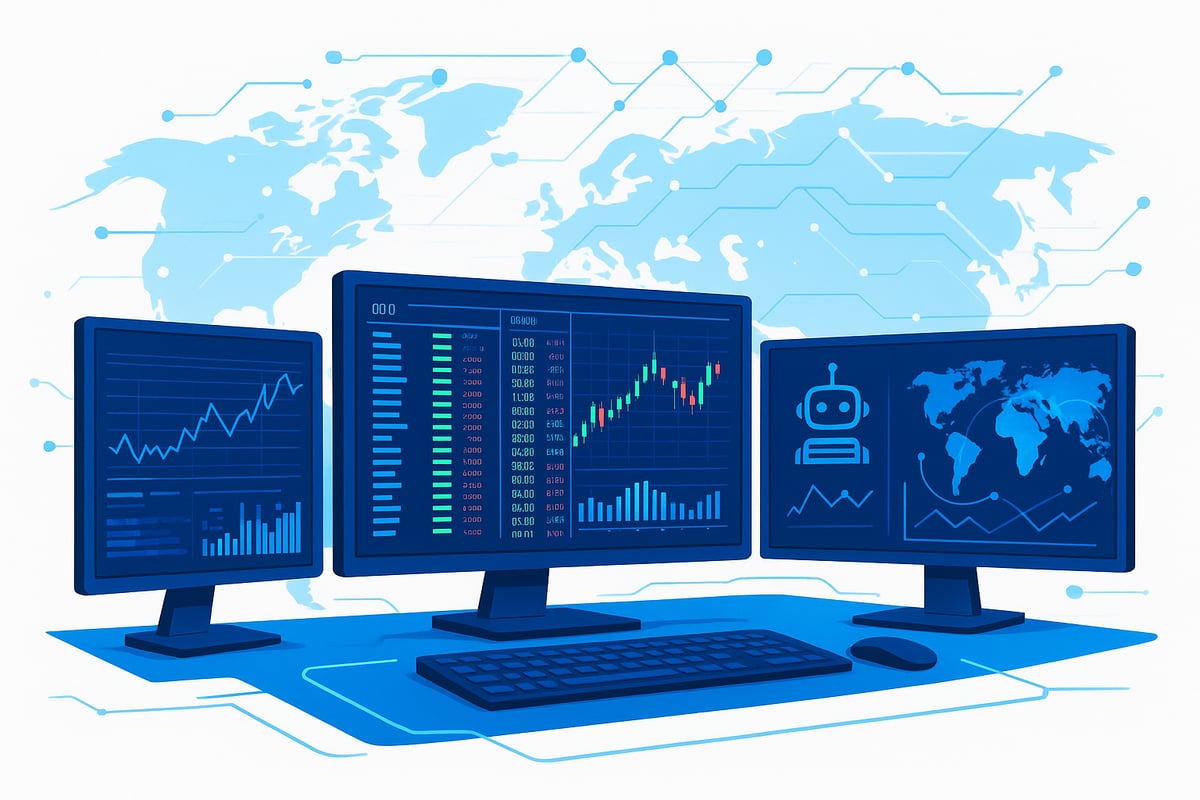
At the core of every market maker’s business is the art of quoting competitive bid and ask prices. The market maker must carefully balance spreads to attract order flow while managing inventory risk. This means adjusting prices in real-time to reflect changing demand and supply, as well as broader market conditions.
Effective inventory management is crucial. Market makers use hedging instruments like options, futures, and swaps to minimize unwanted exposure. For instance, a bank acting as a market maker in foreign exchange will coordinate inventory levels across global desks, ensuring no single desk becomes overexposed to currency risk.
Modern market makers rely heavily on tools such as the order book to monitor liquidity and execute trades efficiently. Real-time quote adjustments, supported by advanced analytics, help maintain optimal inventory levels and profitability. By mastering these techniques, a market maker can provide deep liquidity and minimize the risk of adverse price movements.
High-Frequency and Algorithmic Strategies
Algorithmic trading has transformed the way the market maker operates. Using sophisticated algorithms, market makers can price assets and execute orders at lightning speed. Strategies such as latency arbitrage exploit tiny timing differences between exchanges, while co-location services reduce the physical distance to trading venues for faster execution.
Machine learning further enhances these strategies, enabling the market maker to predict order flow and respond dynamically to shifting market trends. High-frequency trading (HFT) now accounts for more than half of U.S. equity volume, reflecting the dominance of these automated strategies. In the crypto space, AI-driven market making bots are now standard, providing continuous liquidity around the clock.
Cross-Asset and Multi-Market Making
Today’s market maker often operates across multiple asset classes and trading venues. This approach enables the market maker to provide liquidity not just in one market, but across related products such as ETFs and their underlying stocks.
Arbitrage opportunities arise when price discrepancies occur between spot and derivatives markets or across different exchanges. Market makers exploit these gaps to generate profit while stabilizing prices between interconnected markets. For example, a market maker may simultaneously quote prices in both the spot Bitcoin market and Bitcoin futures, capturing spreads and balancing risk.
Risk Management and Compliance
Risk management is non-negotiable for any market maker. Real-time analytics, stress testing, and scenario analysis help market makers identify and mitigate potential losses. Capital requirements, set by regulators like the SEC and ESMA, ensure that each market maker maintains sufficient reserves to absorb shocks.
Compliance is equally important. Market makers must adhere to strict rules governing trading practices, reporting, and market conduct. Regulatory frameworks evolve continuously, and market makers must adapt their risk models in response to heightened volatility or new obligations. By embedding robust controls, a market maker can navigate uncertainty while maintaining trust and operational integrity.
Technology and Infrastructure
A resilient and agile technology stack is vital for the modern market maker. Low-latency trading systems enable rapid order execution, while cloud computing provides scalability during periods of intense market activity. API integration supports seamless connectivity between internal systems and external trading venues.
Cybersecurity is a top priority in 2025. Market makers must safeguard their infrastructure against sophisticated cyber threats, ensuring system uptime and robust disaster recovery. By investing in advanced technology and infrastructure, every market maker can sustain their competitive edge and deliver reliable liquidity to the market.
Regulatory Landscape and Compliance Challenges
Financial markets are shaped by a complex regulatory landscape that continues to evolve as new technologies and asset classes emerge. For every market maker, staying compliant is both a necessity and a challenge in 2025. Understanding the current global frameworks, recent changes, and unique issues in decentralized markets is critical for sustainable success.
Global Regulatory Frameworks
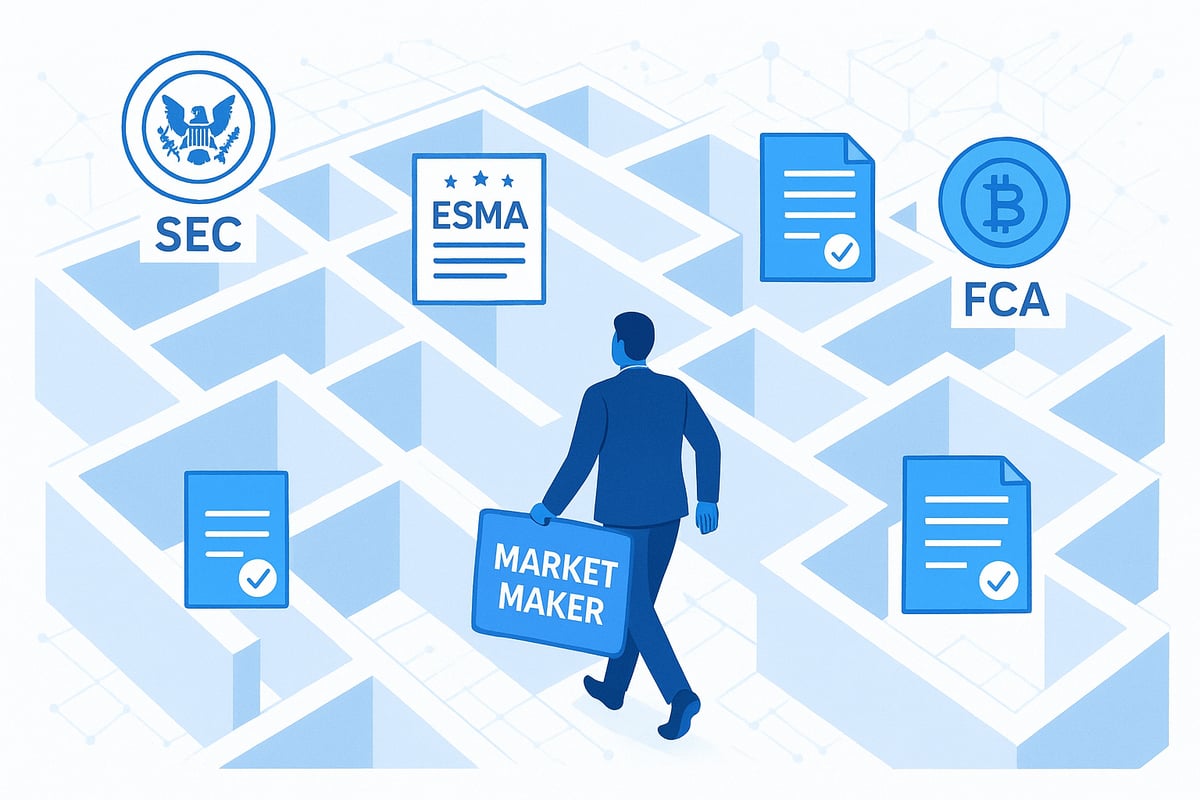
Market participants operate under the oversight of powerful regulatory bodies such as the SEC in the United States, ESMA in the European Union, and the FCA in the United Kingdom. Each authority sets out specific obligations for market maker firms, covering everything from capital requirements to liquidity provision.
Designated Primary Market Makers (DPMs) hold special responsibilities, including maintaining orderly trading and stepping in during periods of volatility. Regulations also differ across asset classes, with equities, derivatives, and cryptocurrencies each subject to unique rules. For any market maker, grasping these distinctions is fundamental to global operations.
Recent and Upcoming Regulatory Changes
Between 2023 and 2025, regulatory reforms are reshaping how market makers operate worldwide. In the U.S., new rules focus on enhanced transparency, reporting, and market structure adjustments. Europe’s MiFID II regime has introduced stricter transaction reporting and transparency obligations, directly impacting how a market maker manages compliance. For more details on these European reforms, review the MiFID II and Market Structure Reforms.
A notable trend is the sharp rise in required transaction data, increasing operational complexity. Adapting to these changes is crucial for any market maker aiming to remain competitive while avoiding regulatory pitfalls.
Compliance Best Practices
Robust compliance practices remain a cornerstone for any successful market maker in 2025. Key elements include Know Your Customer (KYC) and Anti-Money Laundering (AML) protocols, which are essential for preventing illicit activity. Ongoing surveillance and monitoring are critical for detecting and deterring market manipulation.
Penalties for non-compliance can be severe, including significant fines and trading bans. To reduce risk, a market maker should invest in advanced monitoring technology and maintain up-to-date compliance teams. Proactive management of these obligations supports both reputation and operational resilience.
Navigating Decentralized and Emerging Markets
The rise of decentralized finance (DeFi) and automated market makers (AMMs) has created both opportunities and uncertainties for the modern market maker. Unlike traditional markets, DeFi protocols often lack comprehensive regulation, exposing participants to new risks.
Despite regulatory gaps, market makers in these spaces must still address fundamental issues like security, transparency, and fair dealing. As global authorities debate how to oversee these emerging markets, a forward-thinking market maker will stay agile and informed to navigate the changing environment.
Technology Trends Transforming Market Making
The pace of technological innovation is reshaping how every market maker operates. In 2025, staying competitive means leveraging cutting-edge tools, robust infrastructure, and advanced analytics. These trends are not just optional add-ons—they are central to success in a rapidly evolving landscape.
Artificial Intelligence and Machine Learning
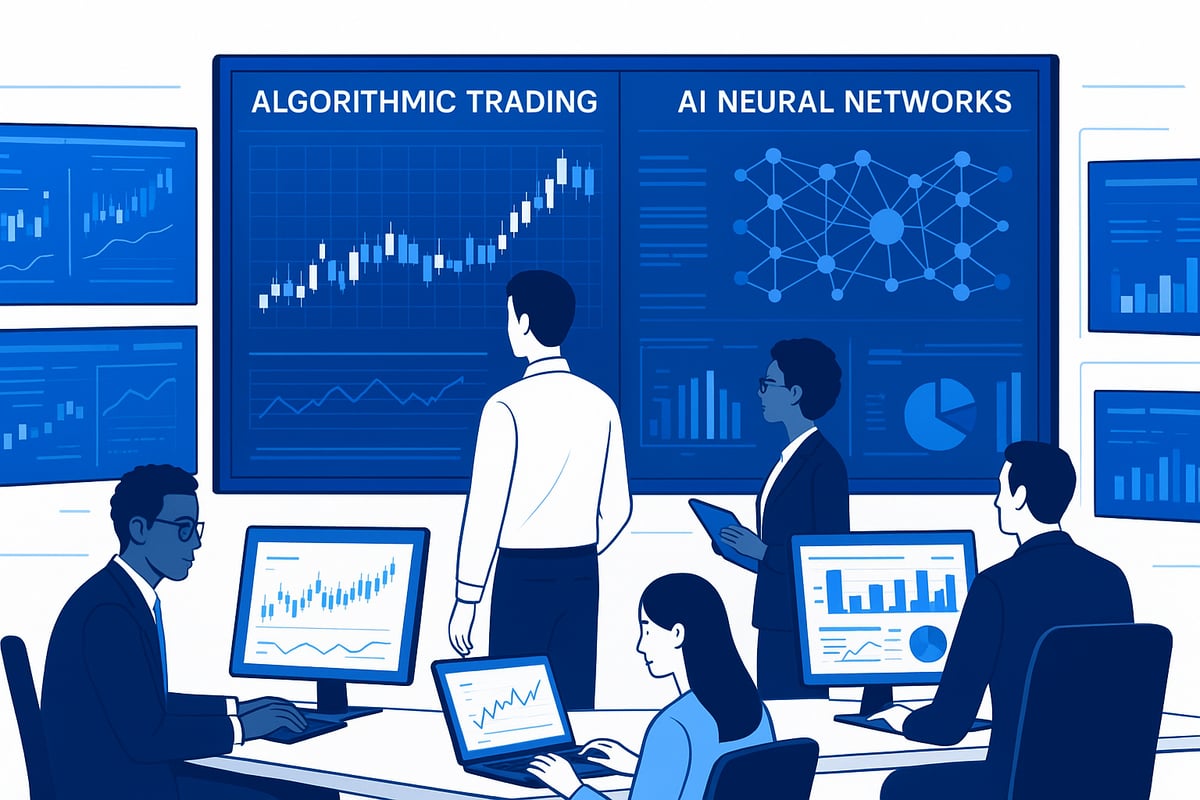
Artificial intelligence is now a cornerstone for every progressive market maker. AI models analyze order flow, predict price movements, and optimize quoting strategies in real time. Reinforcement learning algorithms can dynamically adjust spreads, maximizing efficiency.
Machine learning tools digest massive volumes of historical and live market data, revealing actionable patterns that were previously undetectable. For deeper insight into how these technologies are transforming strategies, see this AI in Market Making Strategies article.
AI-driven decision-making gives market makers an edge in speed and accuracy, helping them outperform competitors.
Automation and Smart Order Routing
Automation is essential for any market maker seeking to scale operations and reduce manual errors. Automated execution systems handle thousands of orders per second, ensuring timely responses to shifting market conditions.
Smart order routers are programmed to scan multiple venues, searching for the best prices and deepest liquidity. This technology enables a market maker to maintain tight spreads and consistent presence across fragmented markets.
These advancements minimize latency, improve execution quality, and free up human resources for higher-level strategic tasks.
Big Data and Real-Time Analytics
The market maker of 2025 relies on big data to power decisions. Sophisticated analytics platforms process social media signals, news sentiment, and alternative datasets alongside traditional market feeds.
Real-time trade surveillance tools flag anomalies and detect potential manipulation instantly. Some leading market makers process terabytes of data each day, enabling them to adapt rapidly to market shifts.
By converting raw data into actionable intelligence, market makers enhance risk control and boost profitability.
Cloud, APIs, and Open Infrastructure
Cloud-based platforms grant market makers unmatched scalability and resilience. Trading systems hosted in the cloud can handle sudden spikes in activity and support global operations seamlessly.
API-driven integration allows for rapid deployment of new trading algorithms and connectivity to emerging venues. Open-source protocols in cryptocurrency markets foster innovation and lower development barriers.
These technologies let a market maker innovate without being hampered by legacy infrastructure.
Cybersecurity and System Resilience
With greater technological complexity comes increased risk. Every market maker must prioritize cybersecurity to safeguard sensitive trading algorithms and client data.
Robust disaster recovery plans and redundant systems guarantee uptime, even during technical failures or cyber incidents. Regulators expect market makers to demonstrate operational resilience as a core part of their compliance.
Proactive investment in security and resilience not only protects business interests but also builds trust with counterparties and clients.
Market Maker Income Models and Performance Metrics
A market maker’s revenue streams and performance are shaped by a blend of market structure, technology, and evolving competition. Understanding the mechanics behind income models and the metrics used to gauge success is vital for anyone seeking to excel in this space.
Bid-Ask Spread Revenue
The primary income source for a market maker is the bid-ask spread. By continuously quoting buy and sell prices, the market maker earns the difference between the two as profit. The width of the spread depends on several factors, such as market liquidity and volatility.
Tighter spreads typically occur in highly liquid markets, while less liquid or more volatile assets see wider spreads. For example, blue-chip stocks on major exchanges often have narrower spreads compared to small-cap equities or thinly traded ETFs. Effective spread management is crucial for maximizing returns.
Order Flow Incentives and Rebates
In addition to spread capture, a market maker may earn income through order flow incentives. Exchanges often provide rebates to liquidity providers, rewarding them for posting limit orders that facilitate trading. In U.S. equities and options markets, payment for order flow (PFOF) is a common model where brokers route customer orders to specific market makers in exchange for compensation.
These incentives can significantly impact a market maker’s bottom line, especially in competitive venues. Understanding how these mechanisms interact with exchange fee structures is essential for optimizing profitability. Sometimes, roles may overlap with those of underwriters, especially during securities issuance where both parties help ensure liquidity.
Proprietary Trading and Arbitrage
Beyond spreads and rebates, a market maker often engages in proprietary trading strategies. This includes arbitrage, where the market maker profits by exploiting price discrepancies between related assets or markets.
Examples include cross-asset arbitrage between ETFs and their underlying stocks or between spot and derivatives markets. By leveraging advanced trading algorithms, a market maker can capitalize on fleeting opportunities, further diversifying income streams and enhancing overall returns.
Performance Measurement and KPIs
To assess performance, a market maker relies on a set of key performance indicators (KPIs). Common metrics include spread capture, inventory turnover, fill rates, and risk-adjusted returns. Technology enables real-time tracking and benchmarking against industry peers.
| KPI | Description | Importance |
|---|---|---|
| Spread Capture | % of quoted spread realized | Measures profit efficiency |
| Inventory Turnover | Frequency of inventory refresh | Indicates risk management |
| Fill Rate | % of orders executed | Reflects competitiveness |
| Risk-Adjusted Return | Return per unit of risk | Evaluates sustainability |
Robust analytics and reporting systems allow the market maker to adapt strategies quickly and maintain a competitive edge.
Challenges to Profitability
The market maker landscape is not without challenges. Intense competition has led to shrinking spreads, making it harder to sustain profits. Regulatory compliance, technology costs, and increased transparency requirements also weigh on margins.
The rise of algorithmic trading and the principles outlined in the Efficient market hypothesis explained have further compressed spreads, reducing opportunities for easy arbitrage. To remain profitable, a market maker must continually innovate, optimize risk models, and adapt to shifting market conditions.
Future Outlook: Opportunities and Risks for Market Makers in 2025
The future landscape for every market maker is rapidly changing, presenting both significant opportunities and emerging risks. As 2025 approaches, several trends are shaping the environment for market makers across all asset classes.
Market Fragmentation and Liquidity Shifts
In recent years, the growth of alternative trading venues and dark pools has changed how a market maker approaches liquidity provision. This fragmentation means that liquidity is spread across multiple platforms, making it more challenging to maintain efficient markets.
Market makers now must monitor off-exchange trading, such as the rise of dark pools in U.S. equities. They need advanced tools to aggregate liquidity, ensuring they can offer competitive pricing. Adapting to this shift is crucial for any market maker aiming to stay relevant in a fragmented environment.
Emerging Asset Classes and Decentralized Markets
The expansion of crypto, tokenized assets, and digital securities is opening new avenues for a market maker. Market making in NFTs and DeFi protocols introduces unique risks, including technical complexities and regulatory uncertainties.
Many market makers are exploring how to provide liquidity in decentralized environments, where traditional rules may not apply. Understanding what is a primary market helps clarify the initial liquidity role market makers play in these new asset classes, especially during token launches and digital security offerings.
Evolving Role of Human Traders vs. Automation
The shift toward fully automated market making is accelerating. Algorithms and AI-driven systems now dominate order execution and risk management. However, human expertise remains vital for navigating complex scenarios and strategic decision-making.
According to the High-Frequency Trading: Evolution and Impact, automation has transformed the market maker business, but the best results often come from combining technology with human judgment. The balance between automation and human insight will define the next generation of market makers.
Regulatory and Geopolitical Risks
New regulations can significantly impact the market maker business model. Ongoing changes in transparency, reporting, and capital requirements are forcing market makers to adapt quickly.
Geopolitical events, such as trade disputes or sanctions, can disrupt global liquidity and affect how market makers operate across borders. Staying informed and agile is essential to manage these evolving risks effectively.
Sustainability, ESG, and Market Making
Environmental, social, and governance (ESG) factors are becoming increasingly important for the modern market maker. There is growing demand for liquidity in green bonds and sustainable ETFs, requiring specialized expertise.
Market makers are also addressing their own ESG responsibilities by adopting transparent practices and supporting sustainable finance initiatives. This shift creates both challenges and opportunities for those willing to innovate.
Skills and Talent for the Next Generation
To succeed in 2025, a market maker needs a blend of quantitative, technical, and regulatory skills. The demand for professionals skilled in AI, data science, and compliance is higher than ever.
Continuous education and adaptability are essential, as the tools and strategies used by market makers evolve at a rapid pace. Attracting and retaining top talent will be a key differentiator.
Key Data Points and Projections
| Trend | 2025 Projection |
|---|---|
| HFT Market Share | Over 55% in U.S. equities |
| Digital Asset Market Making Growth | Estimated 30% CAGR |
| Average Bid-Ask Spread | Continues gradual decline |
| Demand for Quant Talent | Up 20% from 2023 |
The market maker landscape will become more competitive as spreads tighten and new asset classes grow. Staying ahead requires agility, innovation, and a commitment to ongoing learning.
As we explore the evolving world of market makers—unpacking strategies, regulatory shifts, and the technology shaping 2025—it's clear that understanding the past is key to navigating the future. Whether you're aiming to fine-tune your trading approach or gain fresh perspective on market dynamics, having the right tools and insights makes all the difference. That's why we're building a platform designed to empower you with interactive historical market data, AI-driven analysis, and original reporting. If you're curious to see how learning from history can enhance your edge, Join Our Beta and help us shape the future of financial insight.