
Illiquid Guide: Understanding Assets and Market Risks in 2026
Imagine holding an asset that you cannot sell quickly when you need cash. How would this affect your financial security in 2026? In today’s markets, understanding the nature of illiquid assets has become essential for both individual investors and professionals.
This guide demystifies illiquid assets, explores their expanding role in modern portfolios, and uncovers the unique risks they introduce as global markets evolve. Whether you are seeking to protect your wealth or looking for new opportunities, this article provides a comprehensive understanding of illiquid assets and the market risks they present in 2026.
We will define illiquidity, examine asset types, analyze how market structures influence liquidity, assess risk factors, discuss regulatory changes, and offer practical strategies for navigating illiquid markets. Real-world examples, data, and actionable insights will help you build a resilient financial strategy for the future.
Defining Illiquidity: What Makes an Asset Illiquid?
Imagine you own a property or a rare piece of art. If you needed cash quickly, could you sell it without losing value? This scenario captures the core of what makes an asset illiquid. The term describes assets that cannot be readily converted to cash at their current fair market value. Illiquid assets are often difficult to sell promptly, forcing sellers to accept reduced prices or wait for the right buyer.
Key Characteristics of Illiquid Assets
Illiquid assets share three main traits. First, they cannot be sold rapidly without a significant price cut. Second, their markets have low trading volumes, meaning few buyers and sellers are active at any time. Third, these assets often require extended periods to complete transactions.
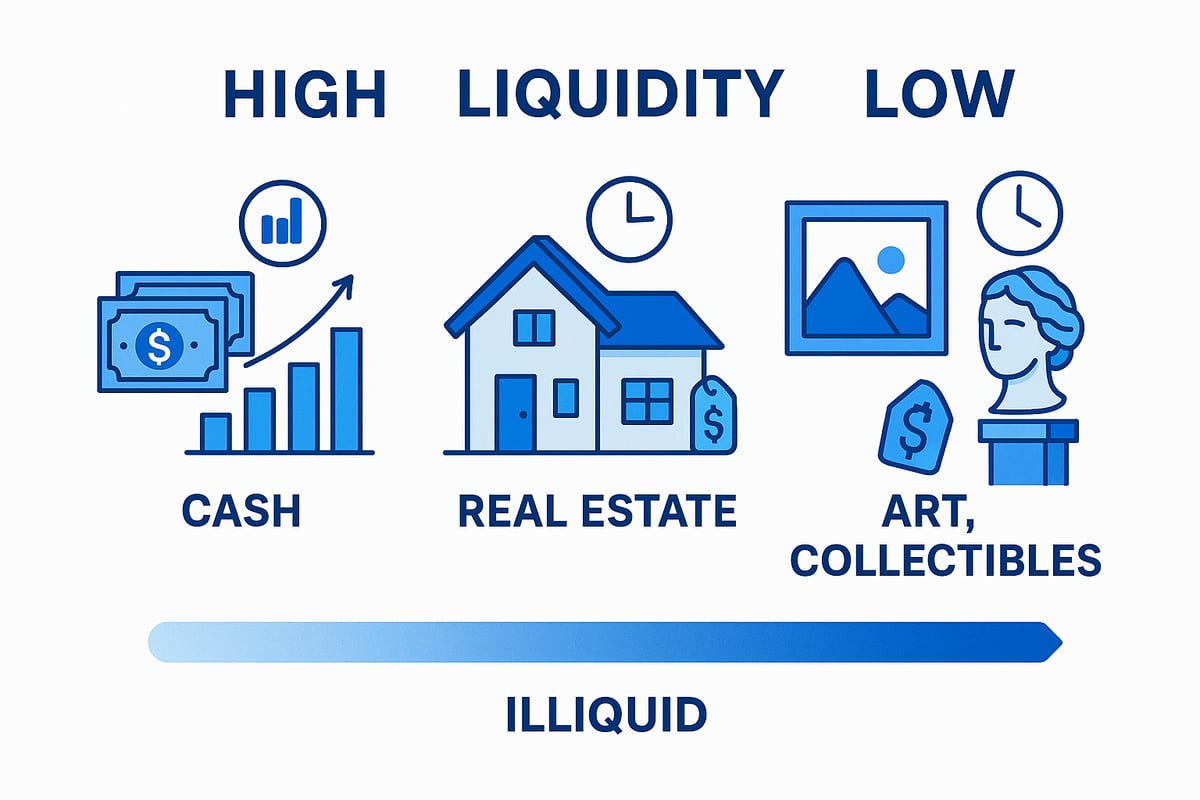
The Liquidity Spectrum: From Cash to Illiquid Assets
Liquidity exists on a spectrum. At one end are highly liquid assets like cash and publicly traded stocks, which can be sold almost instantly at transparent prices. At the other end are illiquid assets, such as real estate, private company shares, and collectibles. For example, selling a house typically takes weeks or months, involving negotiations, inspections, and legal steps.
Many tangible investments, like infrastructure, art, or classic cars, are also considered illiquid. For a deeper understanding of these asset types, see the Tangible asset meaning guide. Unlike liquid securities, these items lack active marketplaces and often have unique valuation challenges.
Recent Trends: The Growth of Alternative and Illiquid Investments
Alternative investments have surged in popularity since 2020, altering the landscape of illiquid assets. Investors have increasingly turned to private equity, venture capital, and infrastructure projects seeking diversification and higher returns. This trend has expanded the portion of global portfolios allocated to illiquid holdings, impacting overall market liquidity.
How Illiquidity Is Measured
Several metrics help quantify how illiquid an asset is. Bid-ask spreads—the difference between the highest price a buyer will pay and the lowest price a seller will accept—are often wider for illiquid assets. Time on market is another key measure, indicating how long it typically takes to sell. The number of active buyers and sellers, or market depth, also plays a critical role.
Here's a quick comparison:
| Asset Type | Liquidity Level | Typical Time to Sell | Bid-Ask Spread |
|---|---|---|---|
| Cash | High | Instant | Negligible |
| Public Stocks | High | Seconds to minutes | Very narrow |
| Real Estate | Illiquid | Weeks to months | Wide |
| Art/Collectibles | Illiquid | Months or longer | Very wide |
Why Some Investors Seek Illiquid Assets
Despite the challenges, some market participants actively pursue illiquid assets. The main attraction is the potential for higher returns, known as the "illiquidity premium." By accepting reduced access to cash, investors may be compensated with greater long-term gains. Pension funds and endowments often allocate a portion of their capital to illiquid holdings for this reason.
2026 Context: Digital Assets and New Financial Instruments
The financial landscape in 2026 is evolving. Digital assets, such as NFTs and tokenized securities, have introduced new forms of illiquid investments. While these instruments promise greater transparency and accessibility, many still suffer from limited trading venues and shallow buyer pools. As a result, the definition of illiquid is expanding to include both traditional and digital asset classes.
Measuring Market Impact and Looking Ahead
According to CFI, illiquid assets are defined by their inability to be quickly and easily converted into cash at the current fair market price. This fundamental characteristic shapes their risk profile and influences how investors approach them. Understanding the nature of illiquid assets is essential for anyone building a resilient portfolio in today’s shifting markets.
Types of Illiquid Assets in 2026
In 2026, the landscape of illiquid assets is broader and more dynamic than ever. Investors encounter a wide array of asset classes that cannot be quickly converted to cash at fair value, each with its own set of challenges and opportunities. Understanding the composition of illiquid holdings is crucial for both individuals and institutions seeking to balance return potential with liquidity risk.
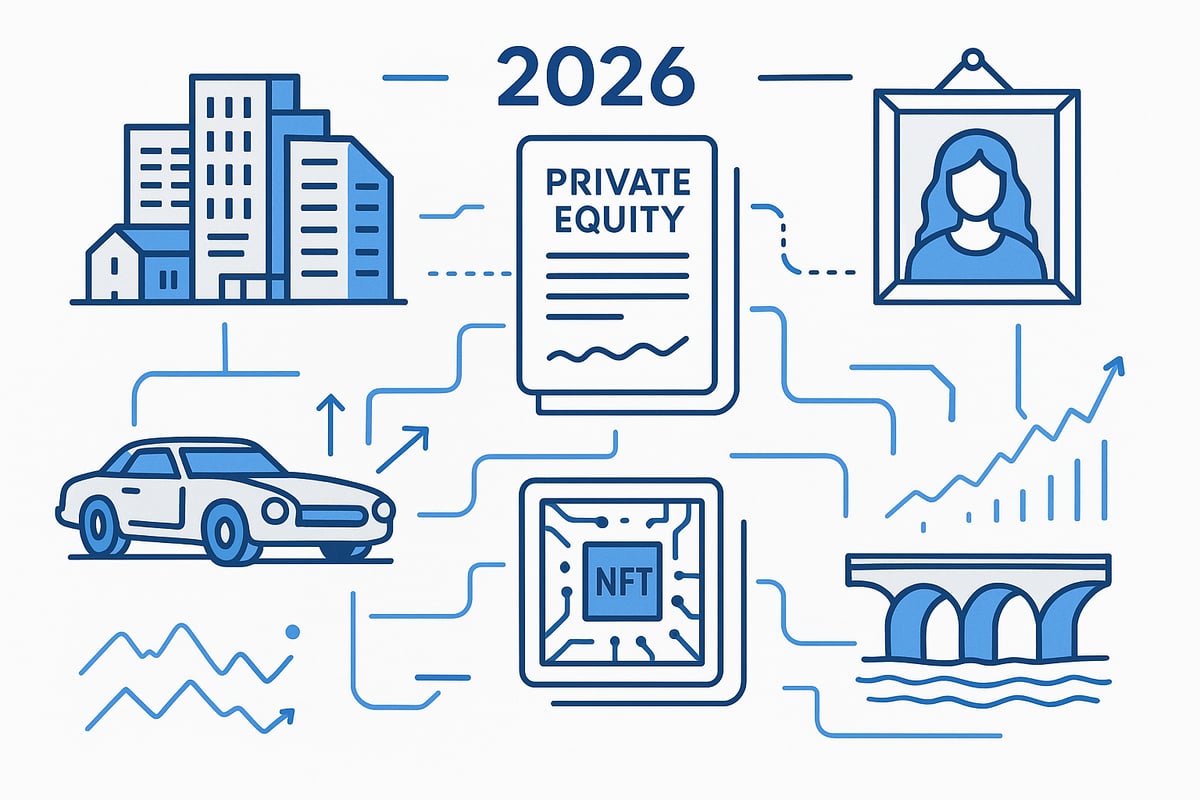
Real estate remains one of the most prominent illiquid assets. Whether residential, commercial, or infrastructure, these investments involve lengthy transaction processes, significant due diligence, and high fees. Properties often sit on the market for months due to limited buyer pools and complex negotiations. These factors contribute to their illiquid nature, making it difficult for owners to access cash quickly in times of need.
Private equity and venture capital are essential components of modern illiquid portfolios. Investors commit capital for extended periods, sometimes a decade or more, with no guarantee of an exit before the fund’s lifecycle ends. The absence of active secondary markets means stakes in private companies are not easily sold, and valuations can fluctuate widely between funding rounds.
Collectibles and alternative investments—such as art, wine, rare coins, and classic cars—present unique illiquid challenges. These assets often have subjective valuations, thin trading volumes, and limited transparency. Finding a buyer willing to pay fair market value can take considerable time, especially during economic downturns when demand wanes.
Private debt and loans, including direct lending and bespoke credit agreements, are typically illiquid due to their customized terms and lack of standardized trading platforms. Secondary markets exist but are often fragmented and illiquid, increasing transaction costs. Some forms, such as asset-backed securities, can be especially difficult to trade if underlying collateral is complex or market conditions are stressed.
Digital assets are reshaping the spectrum of illiquid investments in 2026. While cryptocurrencies like Bitcoin are highly liquid, assets such as NFTs and private digital tokens can be extremely illiquid. These instruments often lack established marketplaces, and their value is tightly linked to niche demand or speculative interest. As regulations evolve, new digital asset structures may further impact liquidity profiles.
Institutional investors, such as pension funds and endowments, typically hold a significant share of illiquid assets. Their long-term investment horizons allow them to accept reduced liquidity in exchange for higher return potential. In contrast, most retail investors have less exposure to illiquid holdings, usually due to regulatory barriers and the need for greater portfolio flexibility.
A notable case involves pension funds, which have increased allocations to illiquid assets to meet future liabilities. While these investments can boost returns, they also introduce liquidity management challenges, especially during market stress when redemptions spike. Endowments face similar dilemmas, balancing spending requirements with the long-term growth offered by illiquid exposures.
The global appetite for alternative assets continues to expand. According to industry data, alternative investments now represent over 15% of global portfolio allocations, up from less than 10% in 2020. This trend reflects a growing recognition of the role illiquid assets play in diversification and risk-adjusted returns.
Below is a summary table highlighting key illiquid asset types and their defining features:
| Asset Type | Illiquidity Factors | Typical Investors |
|---|---|---|
| Real Estate | Slow transactions, high fees | Institutions, HNWIs |
| Private Equity/VC | Long lock-up, rare exits | Funds, endowments |
| Collectibles | Subjective value, few buyers | Individuals, collectors |
| Private Debt/ABS | Bespoke contracts, thin markets | Funds, banks |
| Digital Assets (NFTs) | Limited markets, niche demand | Crypto investors |
As the market evolves, understanding the nuances of each illiquid asset class is vital for informed decision-making. Investors must weigh the potential rewards against the inherent risks of limited liquidity when constructing resilient portfolios.
Market Risks Associated with Illiquid Assets
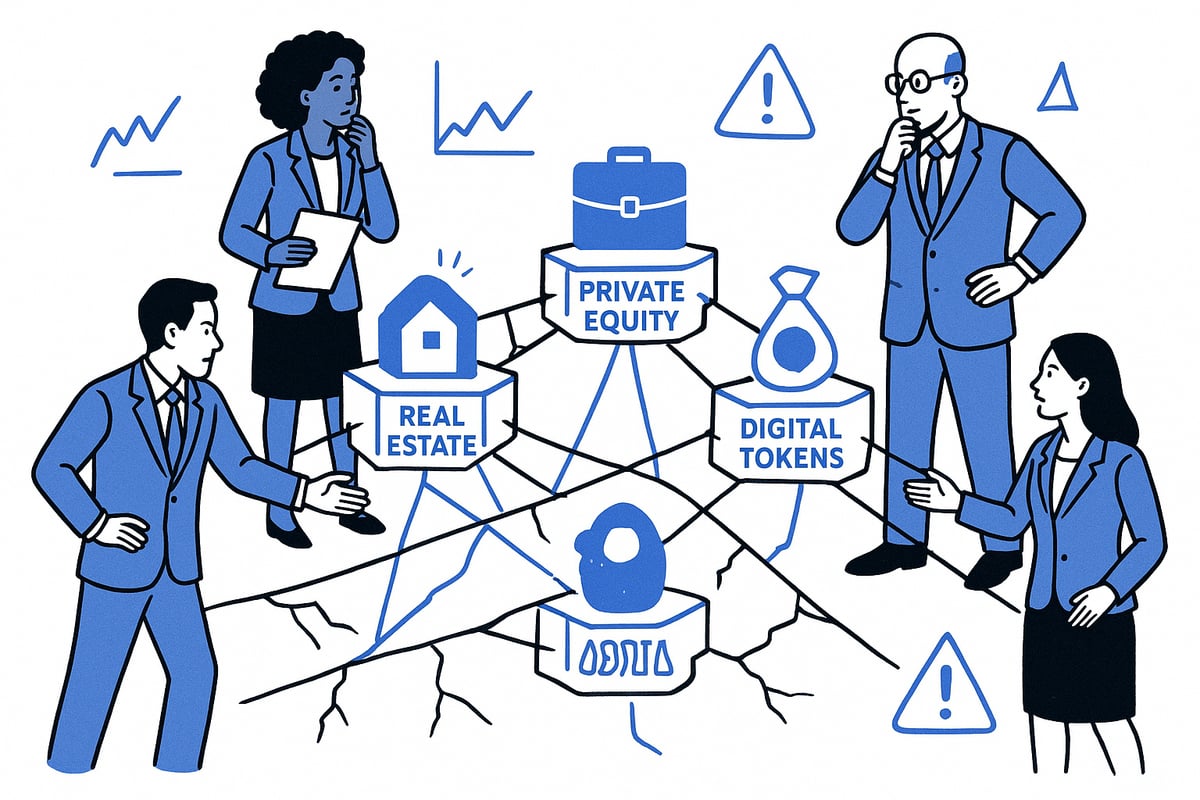
Holding illiquid assets can transform a well-constructed portfolio into a source of uncertainty, particularly during turbulent market conditions. While these assets offer potential for higher returns, they come with a unique set of market risks that investors must understand and manage carefully. Let’s break down the key risks associated with illiquid holdings in 2026.
Price Volatility and the Illiquidity Discount
Illiquid assets often experience sharper price swings during periods of market stress. Unlike liquid securities, which trade frequently and reflect real-time market sentiment, illiquid holdings may go long stretches without transactions. When a sale is needed, sellers often must accept a significant price discount to attract buyers.
This "illiquidity discount" can be substantial. For example, real estate or private equity interests may sell for far less than their last appraised value during a downturn. According to CFI, selling an illiquid asset frequently requires accepting a notable reduction from the fair market price.
Liquidity Risk: Selling Challenges in Crisis
One of the most pressing risks with illiquid assets is the inability to convert them to cash quickly, especially when markets are under stress. In times of crisis, such as the 2008 financial meltdown or the COVID-19 shock, investors found themselves unable to exit positions in real estate, private debt, or alternative funds without incurring heavy losses.
This liquidity risk is not just theoretical. When too many market participants try to sell illiquid assets at once, buyers disappear, and prices drop sharply. The result is a downward spiral, magnifying losses across portfolios.
Valuation and Transparency Risks
Properly valuing an illiquid asset is a complex and sometimes subjective process. Unlike stocks or bonds, which have transparent pricing, illiquid holdings often rely on appraisals, models, or infrequent market transactions. This creates valuation risk, as reported values may lag behind actual market conditions.
For investors, this uncertainty can make it difficult to assess the true health of a portfolio. Additionally, regulatory changes in 2026 are pushing for more rigorous valuation standards and greater transparency. As highlighted in Navigating the Risks of Illiquid Assets in a Shifting Market, evolving macroeconomic conditions and new regulations are forcing institutions to rethink how they manage and report on illiquid exposures.
Counterparty and Transaction Risk
Transacting in illiquid assets brings its own set of operational risks. Finding a willing and capable buyer can be a lengthy process. Negotiations are often complex, and deals may fall through unexpectedly. The risk of counterparty failure—when the other party cannot or will not complete the transaction—adds another layer of uncertainty.
This challenge is more pronounced in private markets, such as venture capital or direct real estate deals, where standardized processes are rare. Investors need to account for the time, cost, and uncertainty associated with each transaction involving illiquid holdings.
Systemic and Regulatory Risks
Illiquidity can have ripple effects across the broader financial system. When large institutions are forced to sell illiquid assets quickly, it can trigger wider market disruptions. Systemic risk arises if these forced sales cause asset prices to collapse, impacting banks, funds, and even the real economy.
Regulatory risk also looms large. As authorities adjust capital requirements, reporting standards, and liquidity rules, the cost and complexity of holding illiquid assets can change overnight. Keeping abreast of these evolving regulations is crucial for risk management.
Macroeconomic Trends and the 2026 Outlook
In 2026, several macroeconomic forces are increasing the risks associated with illiquid assets. Rising interest rates, persistent inflation, and geopolitical uncertainty have all made investors more cautious. These trends can further reduce demand for illiquid holdings, making exits even more challenging.
Institutions and individuals alike must consider how these factors may affect their ability to sell, value, or refinance illiquid positions. Stress testing and scenario analysis are more important than ever to prepare for potential liquidity crunches.
Summary Table: Core Risks of Illiquid Assets
| Risk Type | Description | Example |
|---|---|---|
| Price Volatility | Sharp price changes, especially in stress periods | Real estate during a recession |
| Liquidity Risk | Difficulty selling quickly without discount | Private equity in a downturn |
| Valuation Risk | Uncertainty in determining true market value | Collectibles with few recent sales |
| Counterparty Risk | Challenges finding reliable buyers or sellers | Private debt transactions |
| Systemic Risk | Broader market impact from forced asset sales | Fund redemptions triggering selloffs |
| Regulatory Risk | Changes in compliance, reporting, or capital standards | New liquidity rules from regulators |
Understanding these risks is essential for anyone holding or considering illiquid assets. By recognizing the potential pitfalls and taking proactive steps, investors can build more resilient portfolios and navigate the evolving financial landscape of 2026.
Regulatory and Technological Shifts Impacting Illiquidity in 2026
In 2026, the landscape for illiquid assets is rapidly evolving as regulators and technology disrupt traditional barriers. Investors face new transparency requirements and innovative platforms that are reshaping how illiquid assets are managed, traded, and valued. Understanding these shifts is crucial for anyone navigating the complex world of illiquid investments.
Regulatory Shifts and the New Transparency Landscape
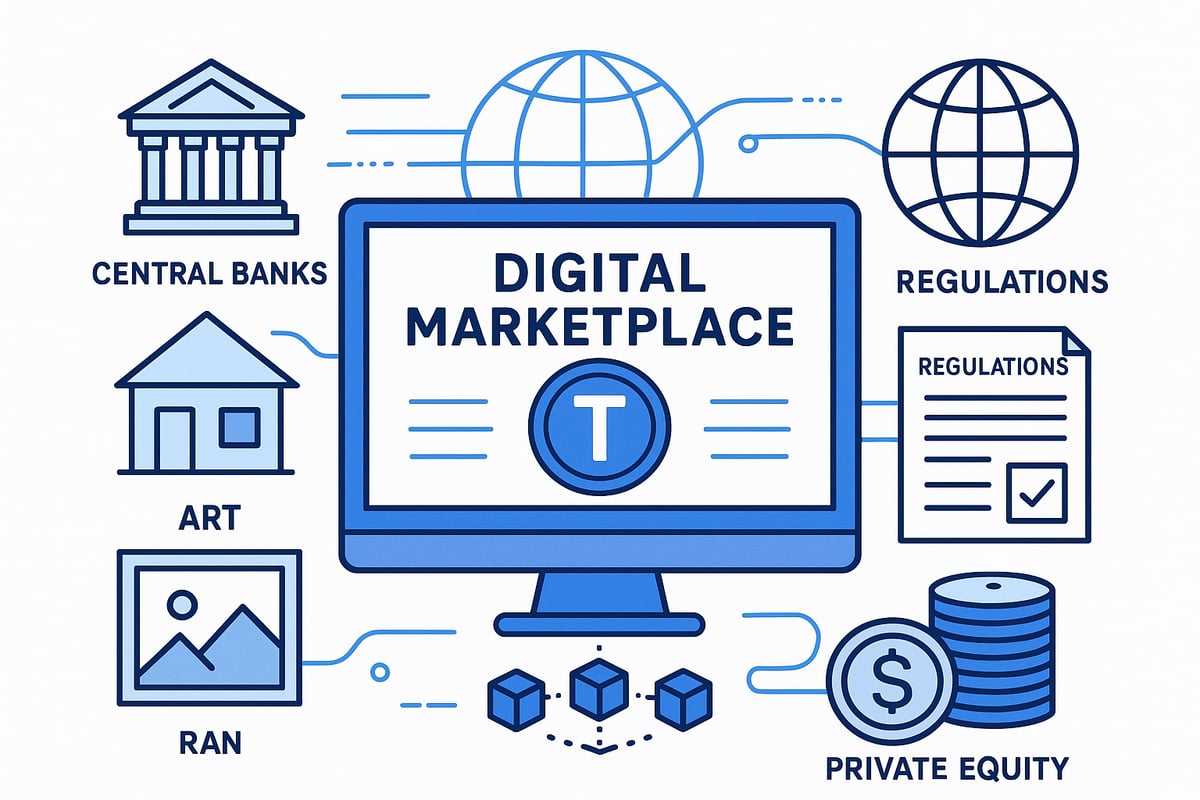
Regulatory bodies are increasing their focus on illiquid assets, aiming to enhance transparency and investor protection. In the United States, the SEC has introduced stricter reporting standards for funds holding illiquid investments. These changes require more granular data on asset liquidity and risk exposure, which helps both regulators and investors identify potential vulnerabilities. For detailed guidance, see how the SEC Amends Registered Fund Reporting Requirements.
Central banks now play a larger role in monitoring market liquidity, especially as illiquid assets make up a growing share of institutional portfolios. In the European Union, disclosure and stress-testing requirements have become more stringent compared to US standards.
| Region | Key Regulation | Focus Areas |
|---|---|---|
| US | SEC Amendments | Reporting, liquidity risk programs |
| EU | ESMA Guidelines | Disclosure, stress testing |
These regulatory shifts are designed to limit systemic risk and ensure that illiquid holdings do not threaten overall market stability.
Technology’s Impact: Tokenization, Blockchain, and Security
Technology is transforming the nature of illiquid assets. Tokenization and blockchain platforms are making it easier to fractionalize and transfer ownership of assets like real estate, private equity, and collectibles. This innovation increases access to illiquid markets, allowing more investors to participate and trade these assets on digital platforms.
However, technology also introduces new challenges. Data privacy and cybersecurity risks are heightened as illiquid assets become digital. Alternative trading platforms offer secondary markets for previously hard-to-sell assets, but these markets are still developing and may lack depth during periods of stress.
According to the J.P. Morgan Unveils 2026 Global Alternatives Outlook, technological advancements are expected to further blur the lines between liquid and illiquid assets, but investors should remain cautious about liquidity mismatches and operational risks.
Globalization and the Future of Illiquid Asset Markets
Globalization is expanding the reach of illiquid investments, creating both opportunities and risks. Cross-border flows are increasing, as investors seek diversification and higher returns in emerging markets. Yet, international transactions can introduce additional regulatory hurdles, currency risks, and data protection concerns.
The future of illiquid asset markets will depend on how well institutions adapt to these regulatory and technological shifts. As global standards evolve, investors must stay informed and agile to mitigate risks while seizing new opportunities. Ultimately, the integration of new rules and technologies will shape the resilience and accessibility of illiquid markets for years to come.
Building a Resilient Portfolio in an Illiquid World
Constructing a resilient portfolio in an illiquid world begins with a clear-eyed assessment of your actual liquidity needs. Both individual and institutional investors should map out their time horizons, estimate cash flow requirements, and stress-test how illiquid holdings could impact their ability to meet obligations. This foundational step helps prevent forced sales at unfavorable prices during periods of market stress.
Next, align your investment strategy with both your risk tolerance and your liquidity requirements. Diversification across asset classes—balancing liquid and illiquid positions—can help buffer a portfolio against sudden shocks. Reviewing the risk-weighted assets explained framework offers valuable insight into how the relative risk of illiquid investments should be measured and managed within your broader portfolio. By factoring in the unique characteristics of illiquid assets, you can avoid overexposure and maintain flexibility even in volatile environments.
Rigorous due diligence is essential before committing capital to illiquid assets. Scrutinize the true liquidity profile of each alternative investment: How easy is it to exit? Are there established secondary markets, or would selling require a significant price discount? Open communication and transparency with stakeholders—whether clients, board members, or beneficiaries—ensure everyone understands the liquidity risks and potential trade-offs involved. Resources like Understanding Risks in the World of Alternative Assets can provide additional guidance on evaluating transparency and valuation risks.
Adaptability is another hallmark of a resilient portfolio. Dynamic asset allocation allows you to adjust exposures as market conditions, regulations, or organizational needs evolve. Lessons from past market crises reveal that investors who regularly reassess their illiquid holdings and re-balance their portfolios are better equipped to weather turbulence. Leveraging modern financial technology tools can further enhance scenario planning, enabling you to model liquidity crunches and optimize your response in real time.
Ultimately, building a resilient portfolio in an illiquid world is an ongoing process, not a one-time event. By combining thoughtful assessment, strategic alignment, diligent research, open communication, and adaptive management, you can position yourself to capture the benefits of illiquid assets while minimizing their risks.
As we’ve explored, navigating the world of illiquid assets and understanding market risks in 2026 requires more than just surface-level knowledge—you need context, historical perspective, and the right tools at your fingertips. If you’re curious to see how past market shifts can help you make smarter decisions today, why not be part of something new? We’re building a platform designed for investors, students, and anyone eager to connect the dots between financial history and tomorrow’s opportunities. Ready to shape the future of market insight with us?
Join Our Beta