
Fixed Asset Guide: Essential Insights for 2025
In 2025, the fixed asset has become more critical than ever for organizations seeking sustainable growth and financial resilience. As regulations and technology evolve, managing these essential resources demands greater precision and strategic oversight.
This comprehensive guide is designed to empower business leaders, accountants, and investors with the latest insights and actionable strategies. You will discover clear explanations on what fixed assets are, their primary types, accounting treatments, and depreciation methods.
Stay ahead by understanding compliance requirements, recent updates, and emerging trends that are transforming fixed asset management. Equip yourself with practical knowledge to maximize value, ensure compliance, and drive confident decision-making in the year ahead.
Understanding Fixed Assets: Definition and Core Concepts
A fixed asset is a fundamental building block for any enterprise seeking long-term stability and growth. Unlike assets that turn over quickly, a fixed asset remains with the company for more than one operating cycle, providing ongoing value and support for core activities.
Fixed assets differ from current assets because they are not intended for sale or quick conversion to cash. Instead, they support production, service delivery, and business infrastructure. Companies rely on fixed asset investments to maintain operations, expand capabilities, and secure a competitive position in their industry.
These assets appear on the balance sheet and are subject to unique accounting treatments. Their value is gradually reduced through depreciation or amortization, reflecting their consumption or obsolescence over time. For example, a new delivery truck or a custom-built manufacturing plant would be classified as a fixed asset, while inventory or accounts receivable would not.
Key characteristics define a fixed asset: durability, non-liquid nature, and direct use in generating revenue. Typically, fixed assets have a useful life exceeding one year and cannot be easily converted into cash without disrupting business operations. Common examples include property, plant, equipment, vehicles, and technology infrastructure. Tangible assets, such as machinery and buildings, form a major category, as detailed in the tangible asset definition.
Proper classification of each fixed asset is essential for accurate financial reporting and regulatory compliance. Misclassifying assets can lead to misstated financials, tax errors, and increased audit risk. Both GAAP and IFRS set out strict guidelines for recognizing, measuring, and disclosing fixed asset information, ensuring consistency and transparency across organizations.
According to industry studies, fixed assets often represent a significant portion of total assets—ranging from 30% in service sectors to over 70% in heavy manufacturing. Effective fixed asset management improves company valuation, boosts investor confidence, and supports strategic decision-making. Investors and stakeholders closely scrutinize fixed asset records to assess operational efficiency, capital allocation, and future growth potential.
A clear understanding of fixed asset fundamentals empowers business leaders, accountants, and investors to navigate complex compliance requirements and maximize long-term value.
Types of Fixed Assets and Their Strategic Importance
Fixed asset management is a cornerstone of long-term business success. Understanding the types and roles of fixed assets empowers leaders to drive operational excellence, support strategic growth, and maintain a competitive edge.

Major Categories of Fixed Assets
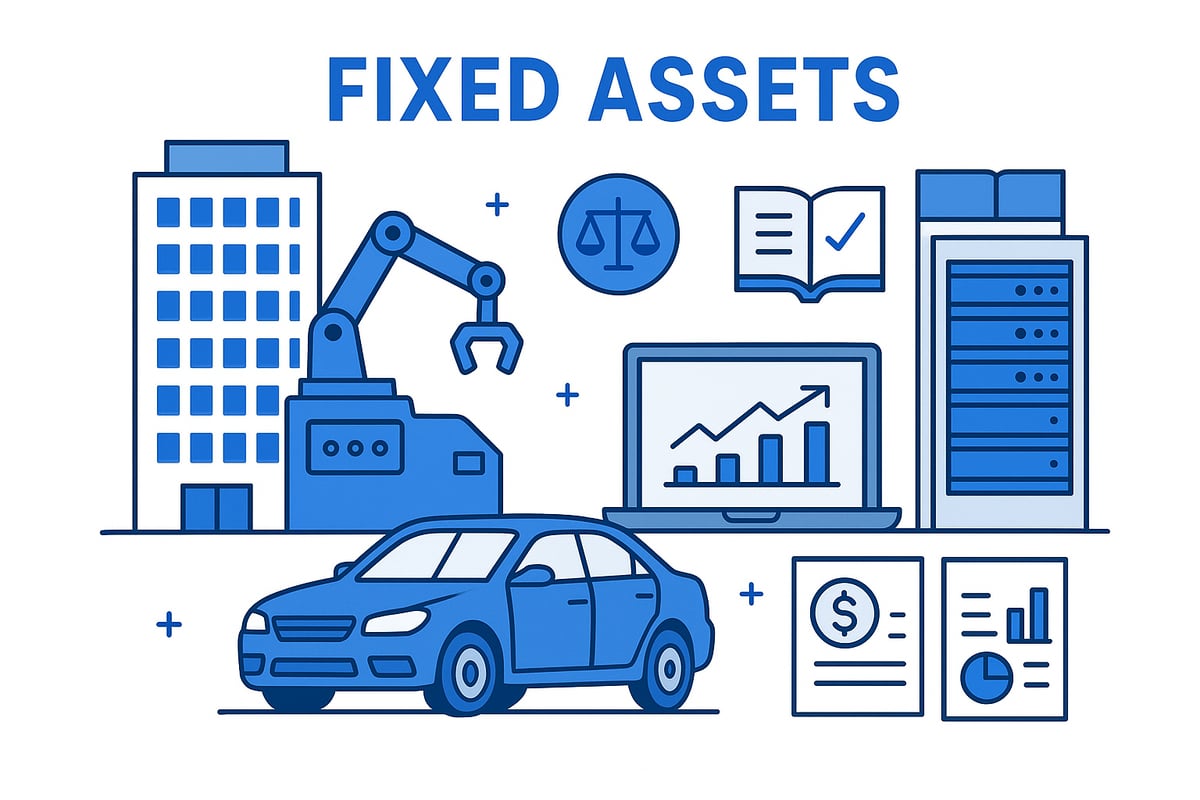
A fixed asset is a long-term resource that a business uses to generate revenue and support operations. These assets are not intended for resale and are held for more than one year. The two main categories are tangible and intangible assets.
Tangible fixed assets include land, buildings, machinery, vehicles, and equipment. These have a physical presence and play a direct role in daily business functions. Intangible fixed assets, such as patents, trademarks, and proprietary software, lack physical form but offer value through intellectual property and exclusive rights.
Accurate classification of each fixed asset ensures compliance with accounting standards and improves financial transparency. Companies that effectively manage both tangible and intangible fixed assets can maximize productivity and reduce risk.
Industry-Specific Examples and Strategic Roles
Every industry relies on a unique blend of fixed asset types. In manufacturing, heavy machinery, plant facilities, and vehicle fleets dominate the balance sheet. These assets are essential for scaling production and maintaining efficiency.
Technology firms, on the other hand, prioritize intangible fixed assets like software licenses, patents, and research and development costs. For example, a software company’s proprietary codebase is a critical asset that drives innovation and market differentiation.
Strategically managing the right mix of fixed asset types allows businesses to align resources with core objectives, whether that means expanding capacity, enhancing product quality, or fostering innovation.
Asset Selection, Capital Expenditure, and Business Growth
Choosing which fixed asset to invest in is a pivotal decision for any organization. Capital expenditures (capex) represent the funds allocated for acquiring, upgrading, or maintaining fixed assets. In 2024–2025, capital expenditure trends show increased investments in automation, sustainability, and digital transformation across industries.
Smart allocation of capital to the right fixed asset can transform business operations and fuel long-term growth. For a deeper understanding of the financial principles behind these investments, explore Capital expenditure explained.
Well-planned fixed asset investments support expansion, improve operational resilience, and enhance a company’s ability to respond to market changes.
Risks and Scalability Considerations
While fixed asset investments offer significant potential, they also carry risks. Poor asset selection or underutilization can lead to wasted capital, increased maintenance costs, and operational bottlenecks.
Scalability depends on aligning fixed asset strategy with business objectives. If assets are not adaptable to changing market demands, companies may face excess capacity or obsolescence. Regular asset reviews and performance monitoring help mitigate these risks and ensure that every fixed asset continues to add value.
Ultimately, a balanced and forward-looking approach to fixed asset management is essential for sustainable business growth.
Fixed Asset Accounting: Recognition, Measurement, and Reporting
Accurate fixed asset accounting forms the foundation for reliable financial reporting and strategic decision-making. Understanding how to recognize, measure, and disclose fixed asset information is essential for compliance and business performance in 2025.
Initial Recognition and Valuation
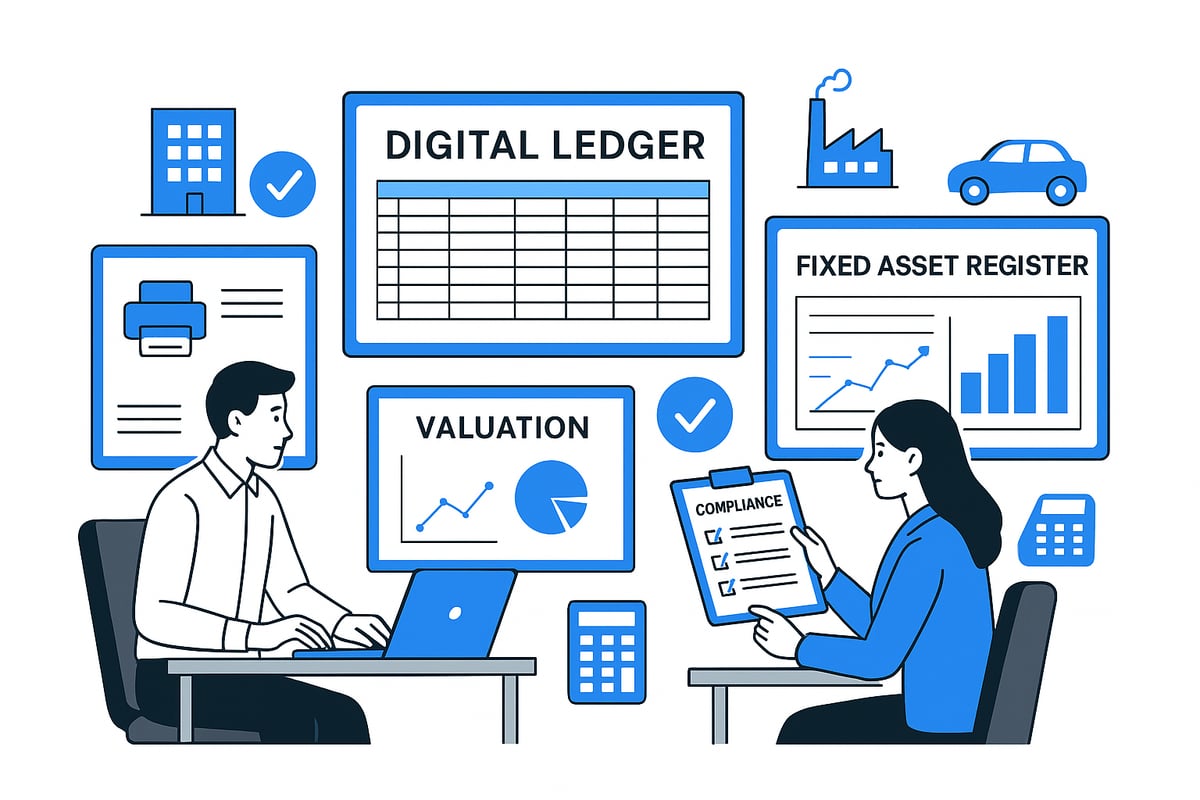
The first step in fixed asset accounting is determining when and how to recognize a fixed asset on the balance sheet. According to both GAAP and IFRS, a fixed asset should be recognized when it is probable that future economic benefits will flow to the entity and the cost can be reliably measured.
Key characteristics for recognition include:
- The asset is intended for use in production, supply of goods or services, rental to others, or administrative purposes.
- The asset is expected to be used over more than one accounting period.
Valuation at initial recognition involves all costs directly attributable to bringing the fixed asset to its intended use. These can include:
- Purchase price (net of discounts or rebates)
- Delivery and handling costs
- Installation and assembly expenses
- Legal and professional fees (such as title transfer)
- Site preparation
Not all expenditures qualify. Below is a comparison:
| Capitalizable Expenditures | Non-Capitalizable Expenditures |
|---|---|
| Purchase price | Routine maintenance |
| Installation costs | Training costs |
| Legal fees | Initial operating losses |
For 2025, updated standards emphasize stricter controls over capitalization thresholds and clearer documentation requirements. Businesses must align their fixed asset policies with the latest regulatory guidance to avoid misstatements.
Subsequent Measurement and Revaluation
After initial recognition, a fixed asset can be measured using either the cost model or the revaluation model.
- Cost Model: The asset is carried at cost less accumulated depreciation and impairment losses.
- Revaluation Model: The asset is carried at a revalued amount, being its fair value at the date of revaluation less subsequent depreciation and impairment.
Revaluation is typically applied to classes of assets that experience significant and volatile changes in fair value, such as land and buildings. Organizations must reassess the fair value of applicable fixed asset categories at regular intervals, ensuring consistency across similar assets.
Revaluations impact financial statements by:
- Adjusting the carrying value of assets, affecting total asset base.
- Influencing ratios such as return on assets and equity.
- Revaluation surpluses are usually credited to a revaluation reserve in equity, unless reversing a previous loss.
Example scenario: A manufacturing firm holds real estate in a rapidly appreciating market. Periodic revaluation ensures that the fixed asset value reflects true market conditions, supporting accurate reporting and investor confidence.
Choosing the right model and frequency of revaluation requires judgment and should be documented in the company’s accounting policies.
Reporting and Disclosure Requirements
Robust reporting and transparent disclosures are vital in fixed asset accounting for regulatory compliance and stakeholder trust. Under GAAP and IFRS, organizations must provide detailed disclosures, including:
- Asset roll-forwards (reconciliations of opening and closing balances)
- Depreciation methods and useful life estimates
- Accumulated depreciation and impairment losses
- Significant revaluation changes
Best practices for fixed asset reporting include:
- Regular reviews of asset registers
- Clear documentation of policy choices
- Timely recognition of impairments
Recent and anticipated updates for 2025 focus on enhanced compliance checks, digital documentation, and integration with enterprise systems. Staying informed about evolving requirements is crucial, as highlighted in the 2025 Fixed Asset Compliance Trends article, which details new technology-driven standards and regulatory shifts.
Accurate fixed asset reporting not only ensures compliance but also strengthens investor confidence and supports better business decisions.
Depreciation, Amortization, and Impairment: Managing Asset Value Over Time
Effectively managing the value of each fixed asset is essential for accurate financial reporting and long-term business success. As these assets age or lose value, organizations must apply structured approaches to reflect true worth, ensure compliance, and optimize performance.
Depreciation Methods and Calculations
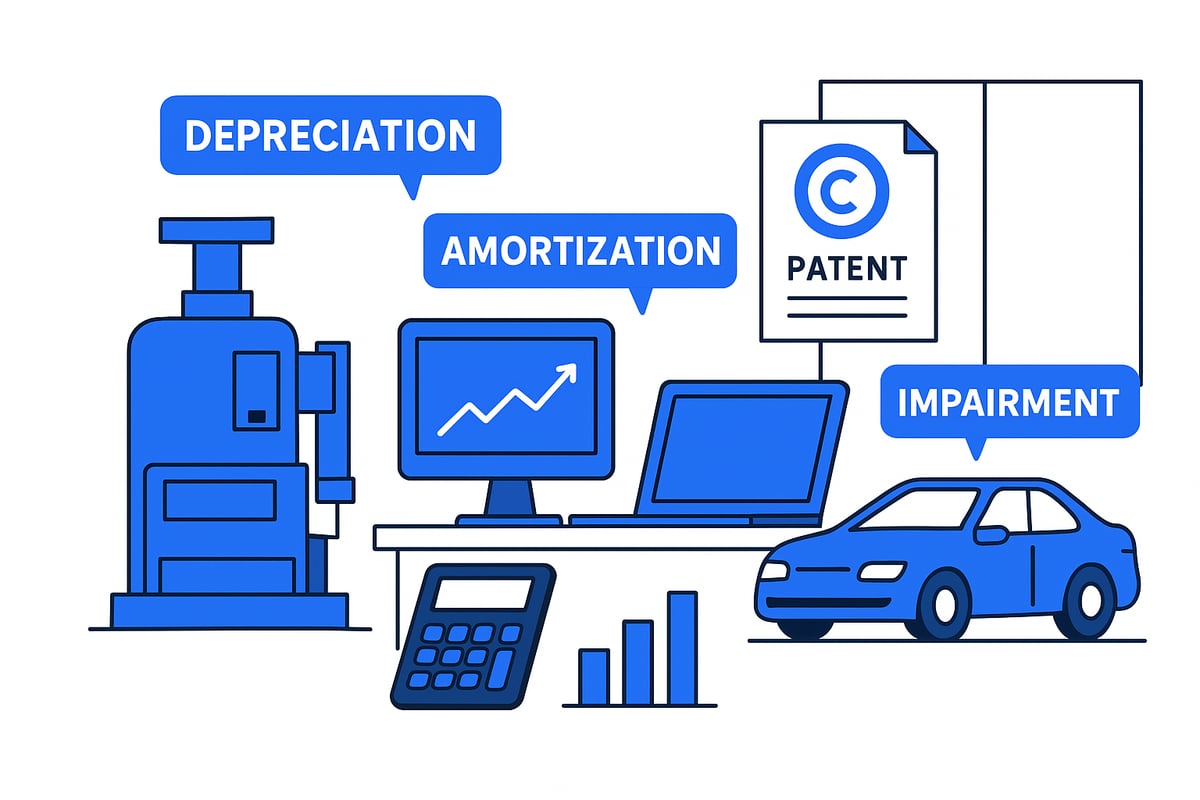
Depreciation systematically allocates the cost of a fixed asset over its useful life. Selecting the right method directly impacts the timing of expenses, profitability, and tax obligations. The three most common depreciation methods are compared below:
| Method | Formula | Typical Use Cases |
|---|---|---|
| Straight-Line | (Cost - Salvage Value) / Useful Life | Most industries, steady use |
| Declining Balance | Book Value x Depreciation Rate | Tech, vehicles, rapid obsolescence |
| Units of Production | (Cost - Salvage Value) x (Actual Usage / Total Estimated Usage) | Manufacturing, variable output |
For example, consider a fixed asset purchased for $10,000, with a $2,000 salvage value and a 4-year useful life.
# Straight-Line Depreciation Example
annual_depreciation = (10000 - 2000) / 4
print(annual_depreciation) # Output: 2000 per year
Each method provides unique benefits depending on how the fixed asset is used. Depreciation influences reported profit and affects cash flow by reducing taxable income. Industry benchmarks, such as 20% for computers or 10% for vehicles, guide rate selection.
Crucially, depreciation is recorded on the income statement essentials, ensuring transparency for stakeholders. Determining the optimal method for each fixed asset can enhance financial clarity and support strategic planning.
Amortization of Intangible Assets
Amortization applies to intangible fixed asset types, including software, patents, and trademarks. Unlike tangible assets, intangibles lack physical substance but still deliver long-term value.
A fixed asset like a patent may be amortized using a straight-line schedule over its legal life, say, 10 years. Regulatory requirements mandate consistent amortization schedules and regular reviews for accuracy.
Common examples include:
- Software licenses amortized over 3–5 years
- Patents aligned with their legal protection period
- Trademarks based on expected economic benefit
Proper amortization ensures the cost of each fixed asset is matched with the revenue it generates, supporting compliance and reliable reporting.
Asset Impairment: Identification and Treatment
Occasionally, a fixed asset may lose value more rapidly than anticipated due to external or internal factors. Impairment reflects a permanent reduction in recoverable value, requiring immediate adjustment.
Common impairment triggers:
- Physical damage to a fixed asset
- Obsolescence from technological change
- Poor market demand for output
The impairment process involves:
- Identifying indicators of reduced value
- Testing recoverable amount vs. carrying amount
- Recognizing impairment loss if carrying exceeds recoverable value
Transparent disclosure of impaired fixed asset values is essential for accurate financial statements and maintaining investor trust.
Tax Implications and Regulatory Considerations
Tax treatment of fixed asset depreciation and amortization significantly affects net income and cash flow. In 2025, changes in tax law may alter allowable rates or introduce new incentives for asset investment.
Key points to consider:
- Accelerated depreciation can offer immediate tax savings, but may reduce future deductions
- Some jurisdictions provide bonus depreciation for certain fixed asset classes
- Misclassification or incorrect schedules can trigger audits or penalties
To maximize benefits, regularly review tax regulations and consult with experts on the latest rules affecting fixed asset accounting. Strategic planning helps avoid pitfalls and leverages opportunities for savings.
Compliance, Internal Controls, and Best Practices in Fixed Asset Management
Navigating compliance and internal controls in fixed asset management is essential for every organization aiming to protect its investments and reputation. Regulatory bodies require diligent tracking, documentation, and reporting of each fixed asset to ensure transparency and accountability. Accurate records help companies defend against audits and demonstrate adherence to both local and global standards.
Regulatory Requirements and Documentation
Proper documentation is at the heart of fixed asset compliance. Regulations like GAAP and IFRS require organizations to maintain detailed records for every fixed asset, including acquisition dates, costs, depreciation schedules, and disposal information. Failure to comply with these standards can result in hefty fines or forced restatements of financial statements, impacting both credibility and investor trust.
Routine audits and reconciliations ensure that physical assets match recorded data. Regulatory agencies may inspect records at any time, so companies must keep documentation current and accessible. A robust fixed asset register is not just a requirement but a safeguard against regulatory scrutiny.
Internal Controls and Fraud Prevention
Establishing strong internal controls is vital for preventing misappropriation or loss of fixed asset resources. Segregation of duties, regular asset counts, and secure authorization processes help mitigate risks associated with theft, fraud, or human error. According to industry studies, organizations lacking internal controls are significantly more likely to suffer asset losses and compliance violations.
Understanding how risk factors affect asset management is crucial. For a broader perspective on risk and compliance, the Risk-weighted assets overview offers insights that complement fixed asset internal control strategies.
Best Practices in Asset Management
Best practices in fixed asset management include asset tagging, periodic audits, and systematic reconciliation procedures. Asset tagging, using barcodes or RFID technology, enables rapid identification and tracking of each asset. Regular audits verify the physical existence and condition of assets, while reconciliation ensures that records reflect reality.
Companies that implement these practices experience fewer compliance failures and reduced financial losses. A well-maintained fixed asset system also supports accurate depreciation calculations and timely reporting, enhancing decision-making and operational efficiency.
The Role of Technology and Compliance Pitfalls
Modern technology, such as asset management software and RFID tracking, has revolutionized fixed asset oversight. Automated systems streamline documentation, track asset movement, and generate real-time reports, making compliance much more manageable. However, failure to adopt these tools can lead to outdated records, missed assets, and increased compliance risks.
Recent statistics reveal that organizations relying on manual processes are twice as likely to face compliance penalties. For an in-depth look at industry innovations, Top Trends in Fixed Asset Management for 2025 highlights how RFID and cloud integration are shaping best practices.
Checklist and Real-World Lessons
A fixed asset compliance checklist should include:
- Up-to-date asset register
- Asset tagging and tracking protocols
- Regular audits and reconciliations
- Clear documentation of acquisitions, disposals, and transfers
- Defined internal control procedures
Non-compliance can result in fines, reputational damage, or even restated financials. Recent enforcement actions show that regulators are increasing scrutiny, making it crucial for organizations to prioritize fixed asset management. Learning from real-world cases helps businesses avoid costly mistakes and build resilient compliance frameworks.
Future Trends and Innovations in Fixed Asset Management for 2025
Staying ahead in fixed asset management means embracing innovation and anticipating regulatory shifts. As we enter 2025, organizations face a rapidly evolving landscape where technology, sustainability, and compliance converge to reshape how assets are tracked, valued, and optimized.
Digital Transformation and Automation
The digital revolution is transforming fixed asset management at every level. Artificial intelligence streamlines asset tracking with real-time data, while IoT sensors monitor equipment health and usage patterns. Automation tools now handle routine tasks, reducing manual errors and freeing up time for strategic analysis.
Companies are integrating fixed asset data directly into ERP and financial systems, enabling seamless reporting and faster decision-making. For example, manufacturers use predictive maintenance powered by AI to extend asset lifespans, while retailers leverage IoT for precise inventory control. These advances not only boost efficiency but also enhance compliance and transparency.
Adopting these innovations is no longer optional. According to Asset Management Trends 2025: Navigating the Future, organizations embracing AI and automation see measurable gains in asset visibility and cost control. As digital capabilities mature, expect fixed asset strategies to become even more data-driven and proactive.
The shift to digital-first asset management will continue accelerating, making mastery of these tools essential for growth in 2025.
Sustainability and ESG Considerations
Sustainability is now a core driver in fixed asset investment and management. Companies are prioritizing assets that support environmental goals, such as energy-efficient machinery or green-certified buildings. Regulatory bodies are encouraging carbon accounting and the adoption of green depreciation methods to reflect the environmental impact of assets.
ESG (Environmental, Social, Governance) reporting for fixed asset portfolios is gaining traction. Firms disclose asset-related emissions, resource usage, and circular economy initiatives. For example, technology companies report on the lifecycle and recyclability of their hardware, while manufacturers track water and energy consumption for major equipment.
These trends highlight the importance of aligning fixed asset choices with broader sustainability objectives. Transparent ESG reporting is becoming a key differentiator for investors and stakeholders.
Regulatory Outlook and Anticipated Changes
The regulatory environment for fixed asset management is entering a period of significant transition in 2025. Updates to both GAAP and IFRS are expected to further harmonize global asset reporting standards. This convergence aims to simplify cross-border compliance and enhance comparability for investors.
New rules may introduce stricter requirements around asset revaluation, impairment testing, and disclosure of useful life estimates. Compliance teams should prepare for increased scrutiny of asset records, particularly in industries with high-value or specialized equipment.
A recent report, Key Trends Shaping 2024 Outlook on Fixed Asset Services, details upcoming changes in valuation practices and cost trends that will shape the fixed asset landscape. Staying informed about these developments can help organizations avoid costly compliance pitfalls and maintain investor confidence.
Strategic Asset Planning for a Dynamic Business Environment
Strategic planning is critical as businesses navigate uncertainty and rapid change. Align fixed asset investments with core business objectives, considering market trends and evolving customer needs. Use scenario planning to anticipate risks, such as supply chain disruptions or regulatory changes, and adjust asset strategies accordingly.
Future-proofing your fixed asset portfolio means investing in adaptable, technology-ready assets and maintaining robust internal controls. Regularly review asset performance and remain agile to seize new opportunities as they arise.
A well-crafted fixed asset strategy empowers organizations to thrive in a dynamic 2025 landscape.
As you’ve seen, understanding fixed assets is essential for making informed decisions in 2025—whether you’re navigating new regulations, optimizing asset strategies, or leveraging the latest technology for smarter management. If you’re ready to deepen your expertise and see how historical market trends can shape your approach, I invite you to explore our platform’s unique perspective. By drawing on the past, you can spot patterns, avoid common pitfalls, and plan with greater confidence. Let’s unlock financial insights together—Stay ahead by looking back.