
Variable Cost Guide: Mastering Flexible Expenses in 2025
In 2025, financial unpredictability is at an all-time high, making mastery of variable cost essential for anyone aiming to stay ahead. Whether you are a business owner, manager, or individual, understanding how to identify, analyze, and control these flexible expenses can be a game-changer. This guide will break down what variable cost means, why it matters more than ever, and how you can calculate and manage it with confidence. Get ready for real-world examples and step-by-step strategies that will help you seize control of your financial future.
Understanding Variable Costs in 2025
Variable cost management is at the heart of modern business strategy. As companies face new economic pressures in 2025, understanding this crucial cost category is more important than ever. In this section, we will explore what variable costs are, why they matter, how they differ from other expenses, and the trends shaping their evolution.
What Are Variable Costs?
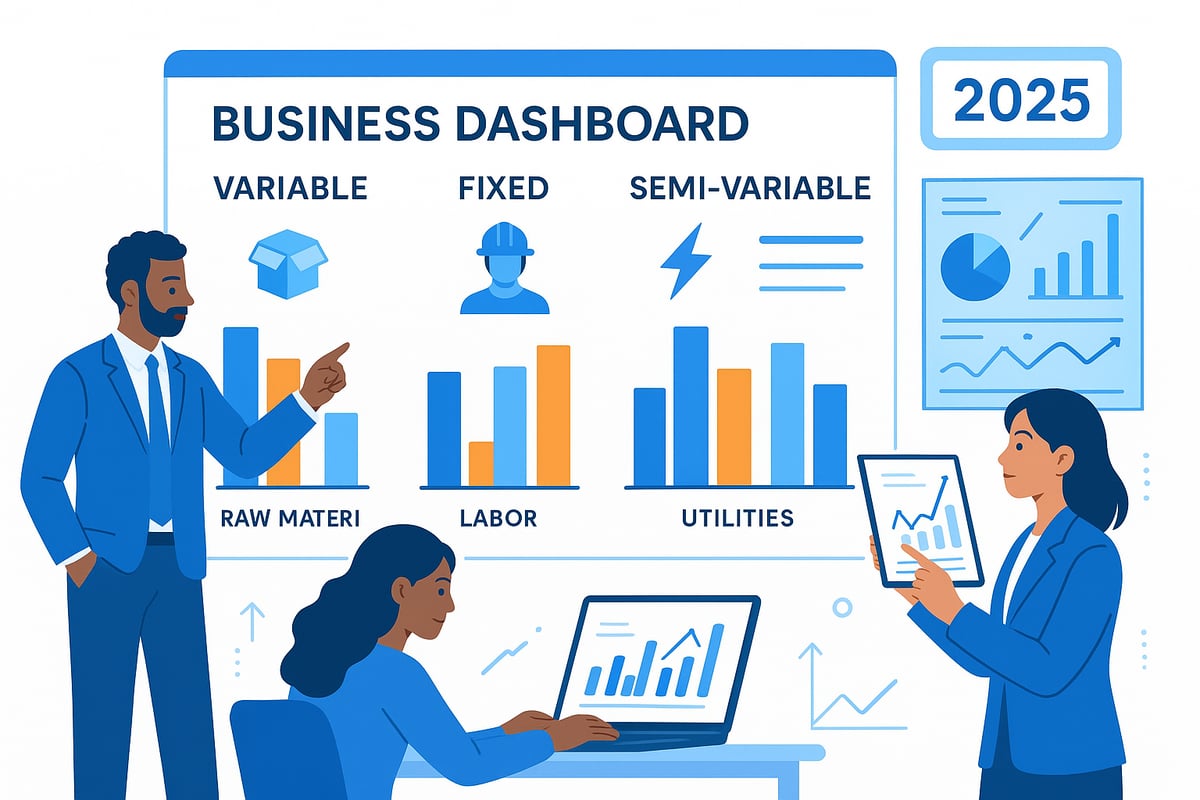
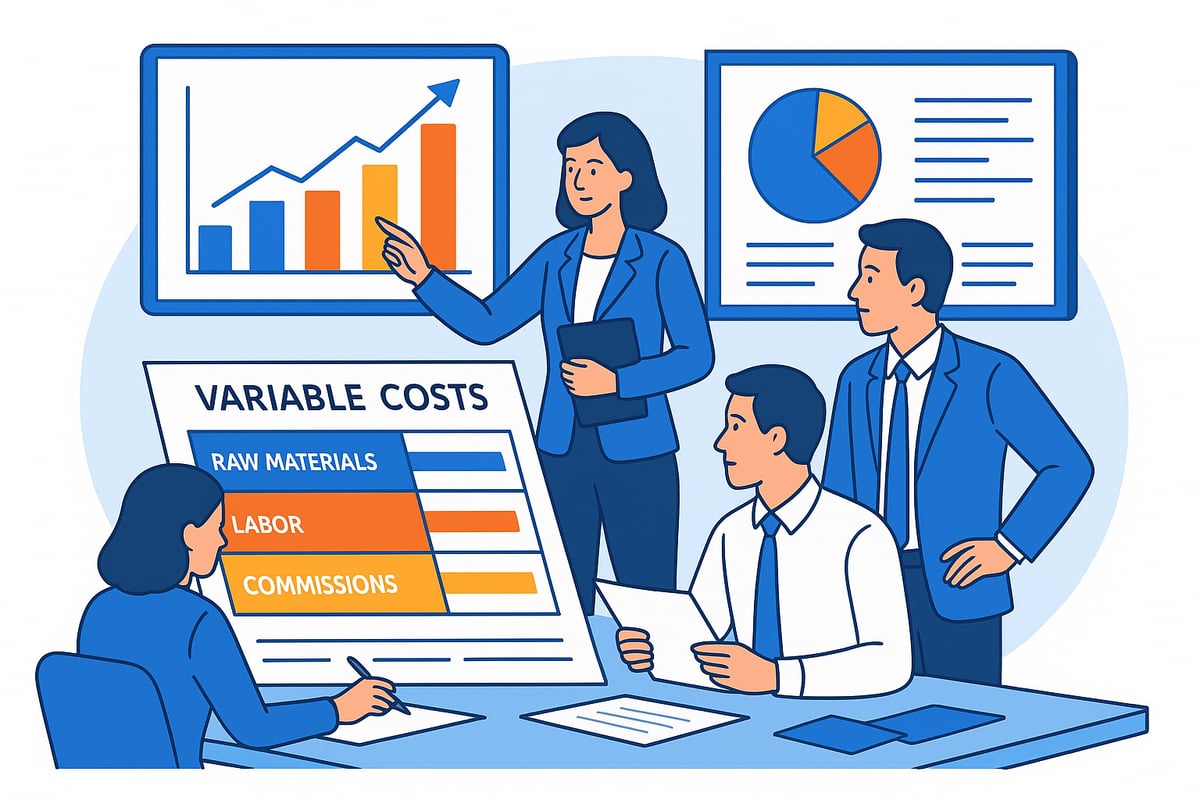
A variable cost is an expense that changes in direct proportion to business activity or production output. Unlike fixed costs, which remain constant regardless of sales or production levels, variable costs rise or fall as operations scale. Common examples include raw materials, direct labor tied to production, utilities based on output, and sales commissions.
In manufacturing, variable cost components might include steel, packaging, and hourly wages. Service businesses often see variable cost in the form of subcontractor payments or travel expenses. Retailers encounter variable cost through inventory purchases and shipping fees. According to 2024 industry data, variable cost can account for up to 60 percent of a company’s total expenses, making accurate identification essential.
Why Variable Costs Matter More Than Ever
The financial landscape in 2025 is marked by rapid shifts in supply chains and input prices. This makes the management of variable cost a deciding factor in profitability and cash flow. Companies must adapt quickly when fuel prices spike or when global disruptions affect raw materials.
Variable cost also shapes pricing strategies and competitive positioning. Businesses in the gig economy or those offering on-demand services rely heavily on flexible cost structures. A recent survey found that 72 percent of CFOs now rank cost flexibility as a top strategic priority for the year ahead. For more on how these costs impact modern business decisions, see Variable Cost Analysis in Modern Markets.
Variable vs. Fixed vs. Semi-Variable Costs
Understanding how variable cost compares to other expense types is essential for accurate budgeting. Here’s a quick overview:
| Cost Type | Definition | Example |
|---|---|---|
| Variable Cost | Fluctuates with output or sales | Raw materials |
| Fixed Cost | Stays the same regardless of activity | Rent |
| Semi-Variable | Has both fixed and variable components | Utility bills |
A business with a high variable cost structure can scale more easily but may face more volatility. In contrast, fixed costs provide stability but less flexibility. Semi-variable costs, such as utility bills with a base fee plus usage charges, require close monitoring. For budgeting and forecasting, knowing your cost structure helps manage risk and plan for growth.
The Role of Variable Costs in Financial Planning
Variable cost plays a pivotal role in break-even analysis and profit margin calculations. Startups and companies in growth phases must track variable cost closely to allocate resources efficiently and make informed investment decisions.
For example, a tech startup might see its variable cost shift rapidly as it scales server usage or customer support. Adjusting the variable cost structure can help the business stay nimble and respond to changing market conditions. The right approach to variable cost management can mean the difference between sustained growth and financial strain.
Trends Shaping Variable Costs in 2025
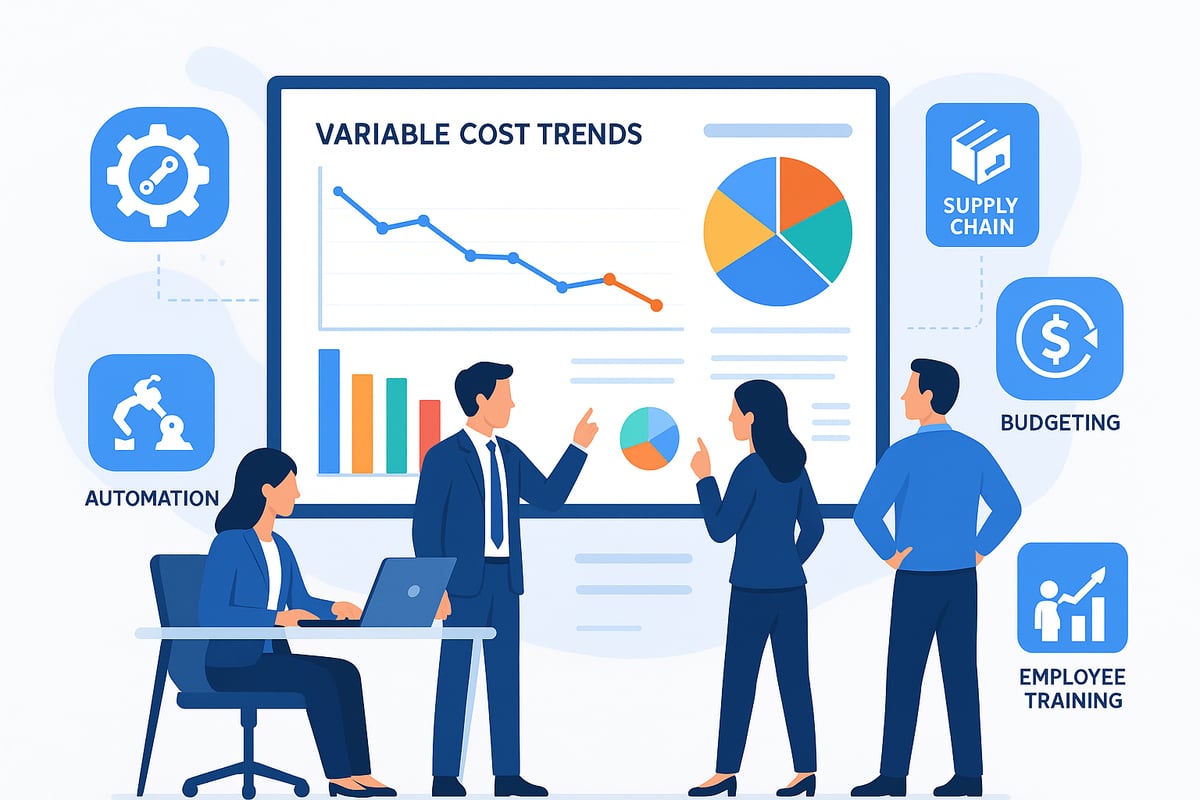
Several powerful trends are redefining variable cost in 2025. Automation and AI are reducing the need for manual labor, making some variable cost lines more predictable. At the same time, commodity prices and supply chain risks remain volatile, pushing companies to diversify suppliers and embrace outsourcing.
The rise of freelancers and gig workers is increasing the share of variable cost in many businesses. Regulatory changes, such as new environmental standards, also impact cost structures. For example, logistics companies are expected to see a 10 percent increase in average variable cost this year due to these combined pressures. Staying ahead of these trends is key to building a resilient business.
Identifying and Categorizing Variable Costs
Understanding how to pinpoint and organize your variable cost structure is essential for achieving financial agility in 2025. Whether you run a manufacturing plant, retail shop, or service-based business, accurately identifying these flexible expenses is the foundation for effective cost control and strategic planning.
Step-by-Step Guide to Identifying Variable Costs
Start by reviewing expense reports and accounting ledgers to spot costs that fluctuate with production or sales. Next, interview department heads and frontline staff—they often know where true spending flexibility lies.
To distinguish between direct and indirect costs, look for expenses directly tied to output, like materials or hourly labor. Utilize cost tracking software and automation tools to streamline this process. For example, a SaaS company might uncover hidden variable cost items such as customer support fees or server usage that scale with user activity.
Systematic identification of each variable cost ensures you capture all relevant data for future analysis.
Common Examples of Variable Costs Across Industries
Variable cost types differ depending on your sector. In manufacturing, raw materials, packaging, and direct labor are primary examples. Retailers focus on inventory purchases, shipping, and sales commissions as their main variable cost drivers.
Service-based businesses often deal with hourly wages, subcontractor payments, and travel expenses that fluctuate based on workload. According to 2024 data, the average variable cost breakdown shows manufacturing at 60%, retail at 55%, and services at 45% of total expenses.
Recognizing these industry-specific examples allows you to benchmark and manage your own variable cost profile more effectively.
Tools and Techniques for Accurate Categorization
Accurate categorization is critical for understanding your variable cost structure. Use cost allocation methods like activity-based costing or job order costing to trace expenses to their true sources. Modern expense management software can automate categorization and flag anomalies.
Regular cost audits help ensure that your variable cost categories stay current as your business evolves. For a deeper dive into advanced cost allocation, see this Activity-based costing overview.
A small business that recategorized costs using these techniques saw improved margins and better financial visibility.
Mistakes to Avoid When Classifying Costs
Avoiding common mistakes is vital for accurate variable cost tracking. Watch out for confusing fixed and variable expenses, such as mistakenly labeling rent as variable. Do not overlook semi-variable costs, which have both fixed and variable elements, like utility bills.
Failing to update your categories as your business changes can lead to misclassification. This impacts financial reporting accuracy and tax compliance. For instance, a retailer who misclassified expenses faced penalties and had to revise their records.
Staying vigilant ensures that every variable cost is properly recorded and managed.
Variable Cost Drivers: What Influences Fluctuations?
Several factors cause variable cost fluctuations. The most significant is the volume of production or sales—higher output means higher costs. Seasonal demand shifts can also lead to spikes in spending.
Supplier pricing and contract terms affect how much you pay for inputs, while external factors such as inflation, tariffs, and currency changes introduce more volatility. For example, e-commerce businesses saw a 15% spike in variable cost during Q4 holidays in 2024.
Understanding these drivers helps you anticipate and manage variable cost changes proactively.
Calculating and Analyzing Variable Costs
Effectively calculating and analyzing variable cost is crucial for businesses aiming to maintain profitability and adapt to changing market conditions. Understanding the mechanics behind variable cost empowers leaders to make more informed decisions, optimize pricing, and drive sustainable growth. Let us break down the key methods and insights you need for 2025.
The Variable Cost Formula Explained
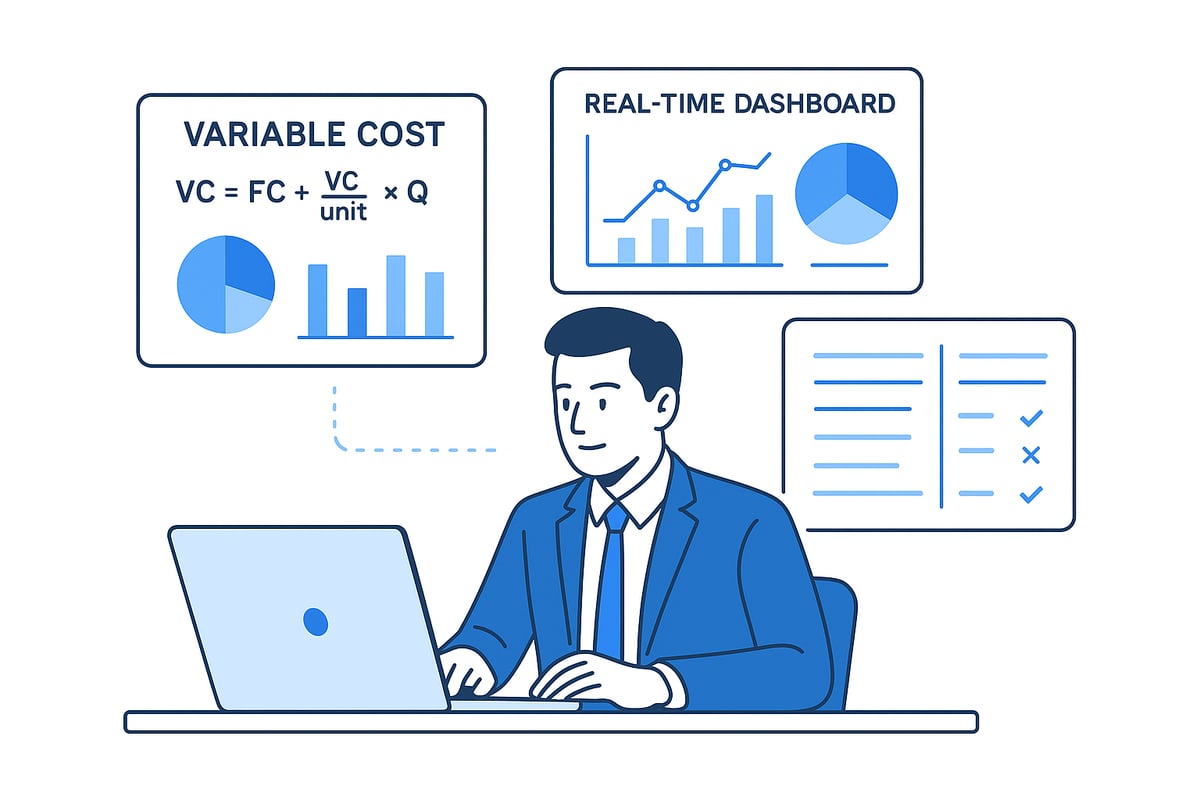
The foundation of variable cost management lies in a simple formula:
Total Variable Cost = Variable Cost per Unit x Number of Units Produced
Each component matters. The variable cost per unit includes expenses like raw materials and direct labor for each item. Multiplying this by the total units produced gives your total variable cost.
For example, if a manufacturer spends $5 on materials and $3 on labor per product, producing 1,000 units results in a variable cost of $8,000. Analyzing unit costs helps pinpoint inefficiencies and opportunities for savings.
Understanding how variable cost interacts with other cost concepts is essential. For a deeper dive into differences, see Marginal cost vs variable cost.
Using Variable Cost Analysis for Decision-Making
Variable cost analysis is central to strategic business choices. By examining contribution margin, you can see how much revenue remains after covering variable cost, which is vital for setting prices and forecasting profits.
A common application is calculating the break-even point. Here, you determine how many units you must sell to cover both fixed and variable costs. For example, a service company tracking variable cost trends may adjust pricing or shift resources to maximize profitability.
Key steps in decision-making include:
- Analyzing recent variable cost fluctuations
- Identifying cost drivers affecting your margins
- Using data to inform product mix or service offerings
Smart analysis of variable cost ensures your business stays agile and competitive.
Advanced Techniques: Activity-Based Costing and Beyond
Traditional variable cost tracking often lacks detail in complex environments. Activity-Based Costing (ABC) offers a more granular approach by assigning variable cost to activities rather than broad categories.
ABC helps identify which processes consume the most resources, revealing hidden variable cost drivers. For instance, a manufacturer implementing ABC may discover excessive machine setup costs tied to specific products.
Comparing methods:
| Method | Detail Level | Best For |
|---|---|---|
| Traditional Costing | Low | Simple production settings |
| Activity-Based Costing | High | Diverse product lines |
Leveraging advanced techniques like ABC supports more precise and actionable variable cost insights.
Tracking Variable Costs in Real Time
Adopting real-time tracking solutions is a game changer for variable cost management. Integrating ERP or accounting software enables automatic expense categorization and instant visibility into trends.
Dashboards and key performance indicators (KPIs) allow you to monitor variable cost as it happens. Many businesses now automate variable cost tracking, reducing manual errors and accelerating decision-making.
In 2025, 55 percent of companies are expected to use real-time systems for variable cost analysis. This investment yields faster responses to market changes and supports continuous improvement.
Variable Cost Ratios and Financial Metrics
Measuring variable cost performance requires understanding key ratios. The variable cost ratio is calculated as:
Variable Cost Ratio = Total Variable Cost / Total Sales
This ratio reveals the portion of sales consumed by variable cost. Another critical metric is the contribution margin ratio, which shows what percentage of sales is available to cover fixed costs and profit.
Industry benchmarks help you gauge whether your variable cost ratios are in line with competitors. For example, a SaaS company might compare its variable cost ratio to sector averages to identify areas for improvement.
Using these metrics drives better business decisions and supports financial health.
Common Pitfalls in Variable Cost Analysis
Despite its importance, variable cost analysis can fall short if not approached carefully. Ignoring indirect variable cost elements, such as shipping or packaging, can skew profitability assessments.
Many businesses rely on outdated data, failing to account for seasonal changes or market volatility. Others overlook the impact of discounts, returns, or fluctuating demand on variable cost.
For example, a restaurant underestimating variable cost may face unexpected cash flow issues during peak seasons. Avoiding these pitfalls ensures accurate reporting and more reliable forecasting.
Strategies to Control and Optimize Variable Costs
Gaining control over variable cost is vital for business resilience in 2025. With input prices fluctuating and market demands shifting, businesses must adopt proactive strategies for cost management. This section outlines actionable methods to reduce, monitor, and optimize variable cost, ensuring financial flexibility and competitiveness.
Cost Reduction Tactics for 2025
Reducing variable cost starts with negotiating better supplier terms and seeking volume discounts. Businesses should regularly review contracts and form strategic partnerships to benefit from favorable pricing. Bulk purchasing, when demand forecasts permit, can also lower unit costs.
Implementing lean manufacturing principles helps eliminate waste and streamline operations. Companies that adopted these tactics in 2024 saw an 8% cut in variable cost. Consider the following actions:
- Renegotiate supply agreements annually
- Implement just-in-time inventory systems
- Consolidate vendors to improve bargaining power
These steps directly impact your variable cost structure, providing quick wins for cost-conscious organizations.
Leveraging Technology for Cost Efficiency
Technology is a game changer for variable cost management. Automating repetitive tasks with AI or robotics reduces labor expenses and human error. Cloud-based inventory and expense management tools offer real-time insights, allowing for rapid response to cost fluctuations.
Predictive analytics can forecast demand shifts, helping avoid overproduction or stockouts. For example, an e-commerce retailer using AI-driven logistics optimization reduced shipping variable cost significantly.
Key tech-driven tactics include:
- Automating order processing and invoicing
- Using predictive analytics for purchasing
- Integrating ERP systems for real-time cost tracking
Investing in these solutions empowers businesses to adapt as variable cost drivers change.
Outsourcing and Flexible Staffing Models
Transitioning from fixed staffing to flexible arrangements transforms labor into a variable cost. Outsourcing non-core functions or engaging freelancers enables businesses to adjust labor expenses as demand fluctuates.
The gig economy provides access to skilled talent on demand. In 2024, 43% of businesses increased their use of flexible staffing models, optimizing their variable cost base.
Consider:
- Hiring freelancers for seasonal or project-based work
- Outsourcing back-office tasks, such as payroll or IT support
- Establishing clear quality controls for external partners
These approaches allow organizations to match their variable cost to actual business activity, improving resource allocation.
Dynamic Pricing and Revenue Management
Dynamic pricing lets businesses adjust prices in real time based on changes in variable cost or market demand. Automated pricing tools analyze data to optimize revenue and preserve margins.
The airline industry exemplifies this tactic, using real-time fuel price data to set fares dynamically. Other sectors, including hospitality and e-commerce, now leverage similar systems.
Key practices:
- Monitor variable cost inputs and adjust prices accordingly
- Use automated pricing software for rapid market response
- Analyze competitor pricing to stay competitive
Dynamic pricing helps maintain profitability even as variable cost fluctuates.
Inventory and Supply Chain Optimization
Optimizing inventory and supply chains directly reduces variable cost. Just-in-time inventory systems minimize holding costs, while diversifying suppliers mitigates risk from disruptions.
Real-time supply chain monitoring identifies bottlenecks and inefficiencies. A manufacturer that improved logistics saved 12% on material variable cost by streamlining supplier relationships.
Strategies include:
- Implementing inventory tracking software
- Regular supplier performance reviews
- Scenario planning for supply chain disruptions
These steps ensure variable cost remains controlled across the supply chain.
Budgeting and Forecasting for Variable Costs
Effective budgeting incorporates variable cost projections to improve financial planning. Rolling forecasts and scenario analysis provide flexibility to respond to cost fluctuations. Integrating these practices into your budgeting process helps anticipate and manage variable cost spikes.
Modern approaches like agile and zero-based budgeting are reshaping cost control. According to Budgeting Trends Impacting Cost Control in 2025, 60% of CFOs now prioritize flexible budgeting to address unpredictable variable cost changes.
Adopt these methods to maintain a clear view of your variable cost exposure and quickly adapt to market shifts.
Employee Training and Cost Awareness
Building a cost-conscious culture is essential for variable cost management. Training programs ensure managers and staff understand the impact of their decisions on expenses.
Incentive systems tied to cost-saving performance encourage proactive identification of savings opportunities. For instance, a hospitality chain reduced variable labor cost by 7% after launching targeted training.
Action steps:
- Conduct regular cost management workshops
- Share variable cost performance data with teams
- Recognize and reward cost-saving initiatives
Continuous education keeps the focus on optimizing variable cost at every level.
Variable Costs in Practice: Case Studies and Industry Insights
Variable cost management looks different across industries, but mastering it is crucial for organizations of all sizes. Let’s explore how real businesses are tackling flexible expenses in 2025, using proven tactics to stay resilient and profitable.
Manufacturing: Navigating Commodity Price Swings
Manufacturers face unpredictable swings in raw material prices, making variable cost control a top priority. For example, automotive companies saw steel prices spike in early 2024, forcing them to adapt quickly.
To mitigate risk, many manufacturers lock in rates with long-term supplier contracts and use hedging strategies to stabilize expenses. Monitoring variable cost fluctuations helps them protect margins and maintain competitiveness.
Understanding how these costs impact the bottom line is critical, which is why many leaders focus on operating margin explained to inform their decisions. By continuously tracking variable cost trends, manufacturers can respond to market shifts with agility.
Retail: Managing Inventory and Seasonal Demand
Retailers experience variable cost pressure from inventory procurement, shipping, and labor, especially during seasonal peaks. For instance, apparel stores increase orders and staffing ahead of the holidays, then scale back as demand normalizes.
Strategies like just-in-time inventory and real-time sales monitoring allow retailers to align variable cost with actual demand. They also renegotiate supplier contracts to secure better pricing during high-volume periods.
A clear understanding of variable cost structures enables retailers to stay profitable, even as consumer preferences and economic conditions change. Smart inventory management is essential for adapting to rapid market shifts.
Services: Adapting to On-Demand Consumption
Service businesses rely heavily on flexible labor and technology, making variable cost control central to their success. Ride-sharing companies, for example, adjust driver payouts and marketing spend in real time based on demand.
Subscription and pay-per-use models help service providers align revenue with variable cost, keeping cash flow healthy. Outsourcing specialized tasks further enhances flexibility, allowing businesses to scale up or down as needed.
Staying informed about Emerging Cost Analysis Trends for 2024 and Beyond is key for service firms leveraging new technologies to optimize variable cost management.
Tech & SaaS: Scaling with User Growth
Tech and SaaS companies see variable cost rise with each new user, from cloud hosting to customer support. As growth accelerates, keeping expenses in check is vital for sustaining margins.
Leaders in this space invest in automation and predictive analytics to forecast spikes in variable cost. They also negotiate volume-based contracts with cloud providers to secure lower rates as usage increases.
On average, SaaS firms allocate 30 to 50 percent of revenue to variable cost, so disciplined tracking and analysis are essential for long-term viability. Scalable cost models ensure profitability even during rapid expansion.
Small Business: Surviving in a High-Cost Environment
Small businesses feel the impact of variable cost volatility more acutely. Local cafés, for instance, adjust staffing levels daily to match customer flow, keeping wage expenses flexible.
Community buying groups and local sourcing help small businesses manage variable cost by securing better prices and reducing supply chain risks. These tactics also support local economies and build resilience.
By focusing on adaptable cost management, small businesses can weather economic uncertainty, stay competitive, and thrive in 2025’s challenging landscape.
The Future of Variable Cost Management
As the business landscape evolves, mastering variable cost management will define success. In 2025 and beyond, companies must adapt quickly to technological, regulatory, and market changes. Let us explore the trends, risks, and strategies that are shaping the future of variable cost optimization.
Emerging Trends and Innovations
Rapid technological advancements are transforming variable cost management. Artificial intelligence and machine learning now empower businesses to forecast costs, automate purchasing, and streamline operations. Blockchain brings transparency to supply chains, enabling precise tracking of variable cost components.
The shift to “as-a-service” models, like SaaS and on-demand logistics, is converting traditional fixed costs into variable expenses. To stay ahead, organizations must also adapt to new pricing paradigms. For a deeper dive into evolving pricing models and their effect on variable cost strategies, see Pricing Trends in the Value Era Beyond 2025.
Regulatory and Environmental Considerations
Regulatory shifts are having a profound impact on variable cost structures. New labor laws influence wage flexibility, while environmental regulations drive changes in materials and packaging. Carbon pricing and sustainability initiatives are increasingly shaping cost allocation, especially in sectors like food and manufacturing.
Businesses must stay informed and agile to anticipate compliance costs and avoid penalties. For example, the food industry is adapting its variable cost approach in response to packaging waste regulations, which can directly affect margins and profitability.
Globalization and Geopolitical Risks
Variable cost management is increasingly complex in a globalized economy. Companies face currency fluctuations, shifting tariffs, and evolving trade agreements. These factors can rapidly alter input costs, especially for manufacturers and retailers with cross-border supply chains.
Recent geopolitical tensions have led to volatility in commodity prices and logistics expenses. Electronics manufacturers, for instance, have seen significant rises in variable cost due to new tariffs and supply chain disruptions. Building flexibility into contracts and sourcing strategies is crucial for resilience.
Building Resilience Through Flexible Cost Structures
To thrive amid uncertainty, organizations are reengineering their variable cost structures for resilience. Diversifying suppliers reduces dependency and mitigates risk. Scenario planning helps companies prepare for economic shocks or sudden demand changes.
The hospitality sector, for example, demonstrated adaptability by pivoting its variable cost model during global events, such as the pandemic. By embedding flexibility into cost planning, businesses can maintain stability even when external circumstances shift unexpectedly.
Integrating Variable Cost Strategies into Business Models
Successful companies align their variable cost strategies with broader business objectives. Embedding flexibility into contracts, operations, and pricing ensures that cost structures can adapt as markets evolve. Subscription box companies, for instance, use agile cost models to adjust expenses in real time as customer demand fluctuates.
Understanding how variable costs impact profitability requires visibility in financial reporting. Referencing Income statement components can help businesses see where variable cost appears and how it influences net income for strategic planning.
Preparing for the Next Decade: Action Steps
Looking ahead, continuous improvement in variable cost management will set industry leaders apart. Key steps include:
- Investing in advanced technology and analytics
- Regularly monitoring and reviewing variable cost drivers
- Training teams to foster a culture of adaptability
- Implementing rolling forecasts and scenario planning
A checklist for 2025 and beyond:
| Action Step | Benefit |
|---|---|
| Invest in AI tools | Enhanced forecasting accuracy |
| Diversify suppliers | Reduced supply chain risk |
| Update cost categories regularly | Improved financial clarity |
| Foster cost-conscious culture | Sustainable cost reduction |
By following these actions, organizations can master variable cost management in an unpredictable world.
You’ve just explored how mastering variable costs is essential for navigating the uncertainties of 2025, from recognizing cost drivers to harnessing technology for smarter decisions. If you’re eager to see these strategies in action and gain even deeper insights, why not experience financial history as a powerful learning tool? Our platform brings together interactive charts, AI-driven summaries, and real market stories—giving you context to make smarter, more flexible choices. Ready to shape your approach with the lessons of the past? Join Our Beta and help us build a resource designed for forward-thinking investors and learners like you.