
Price Floor Guide: Understanding Its Impact in 2025
In 2025, the debate over the price floor is heating up as new regulations emerge across industries worldwide. Major changes in markets, wages, and everyday products are making headlines, and both businesses and consumers are feeling the effects.
This comprehensive guide unpacks what a price floor means, why it matters, and how it works in practice. You will gain insights into its economic impact, sector-specific examples, and the latest global trends.
Whether you are a business leader, worker, or policymaker, you will discover actionable strategies to navigate these shifts. Stay informed to adapt and thrive as the landscape evolves.
What Is a Price Floor? Core Concepts Explained
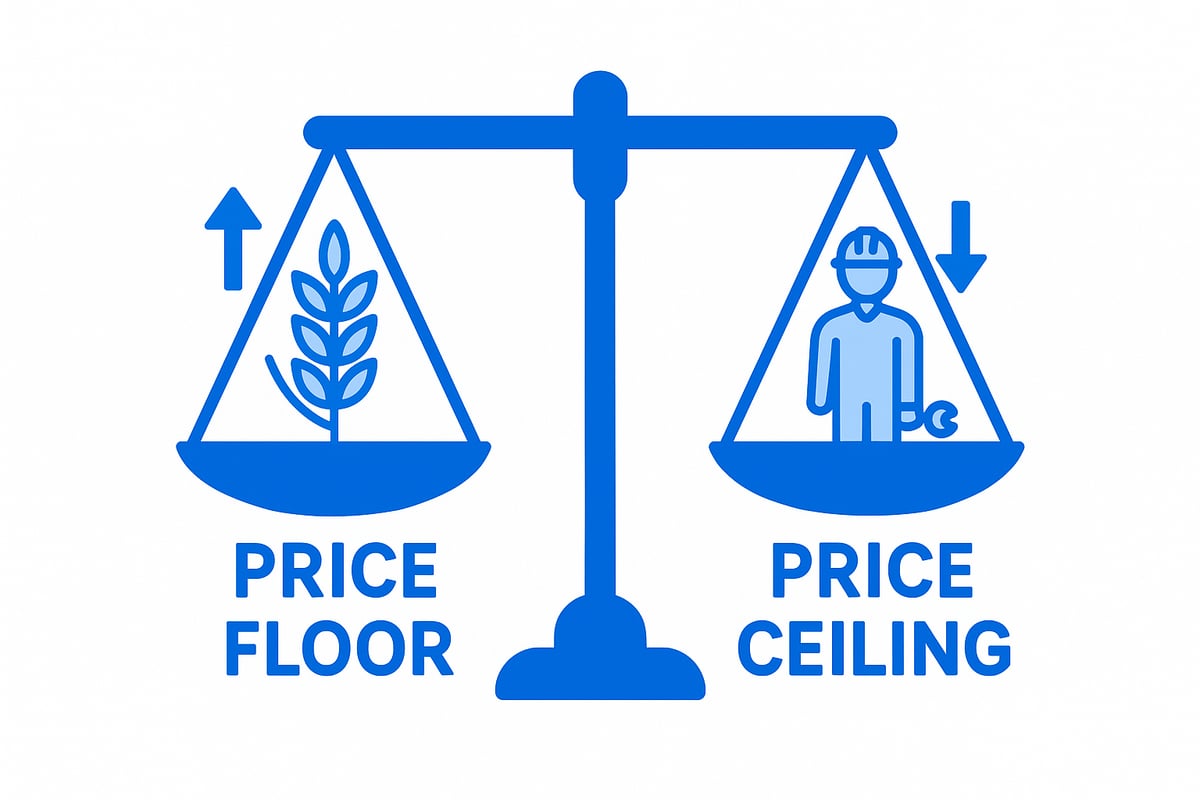
Understanding a price floor is essential for navigating today’s evolving economic landscape. A price floor is the minimum legal price set by a government or regulatory authority for a particular good or service. Unlike a price ceiling, which sets a cap on prices, a price floor prevents prices from dropping below a certain level. This policy aims to shield producers or workers from prices that are considered too low to sustain their livelihoods. Historically, price floors have played a crucial role in agricultural markets and labor laws. For instance, over 90 countries implement price floors in agriculture or labor, with minimum wage laws serving as a classic example. To learn more about how price floors differ from price ceilings, visit this Difference between price floors and price ceilings resource.
Definition and Economic Rationale
A price floor is a government-imposed minimum price that must be paid for a product or service. This approach contrasts with price ceilings, which limit how high prices can go. The main rationale behind a price floor is to prevent market prices from falling to levels that could harm producers or destabilize markets.
Historically, price floors have been used in agricultural policies to support farmers and in the labor market to ensure fair wages. For example, minimum wage laws are a well-known type of price floor. According to recent data, more than 90 countries use some form of price floor to protect key economic sectors. By guaranteeing a minimum income, these policies aim to foster stability and prevent market failures.
Types of Price Floors
Price floors can be categorized as binding or non-binding. A binding price floor is set above the market equilibrium, making it effective and enforceable. Non-binding price floors, set below equilibrium, have no real impact on the market.
Common types of price floor include minimum wage laws, agricultural price supports, and minimum alcohol pricing. Each sector applies price floors differently. For example, the European Union’s Common Agricultural Policy provides price supports for farmers. In 2023, over 60 percent of OECD countries maintained price floor policies in agriculture, demonstrating the widespread adoption of these measures.
Table: Examples of Price Floors by Sector
| Sector | Price Floor Example | Policy Type |
|---|---|---|
| Labor | Minimum wage | Binding |
| Agriculture | Crop price support | Binding/Non-binding |
| Alcohol | Minimum unit price | Binding |
How Price Floors Work: Market Mechanisms
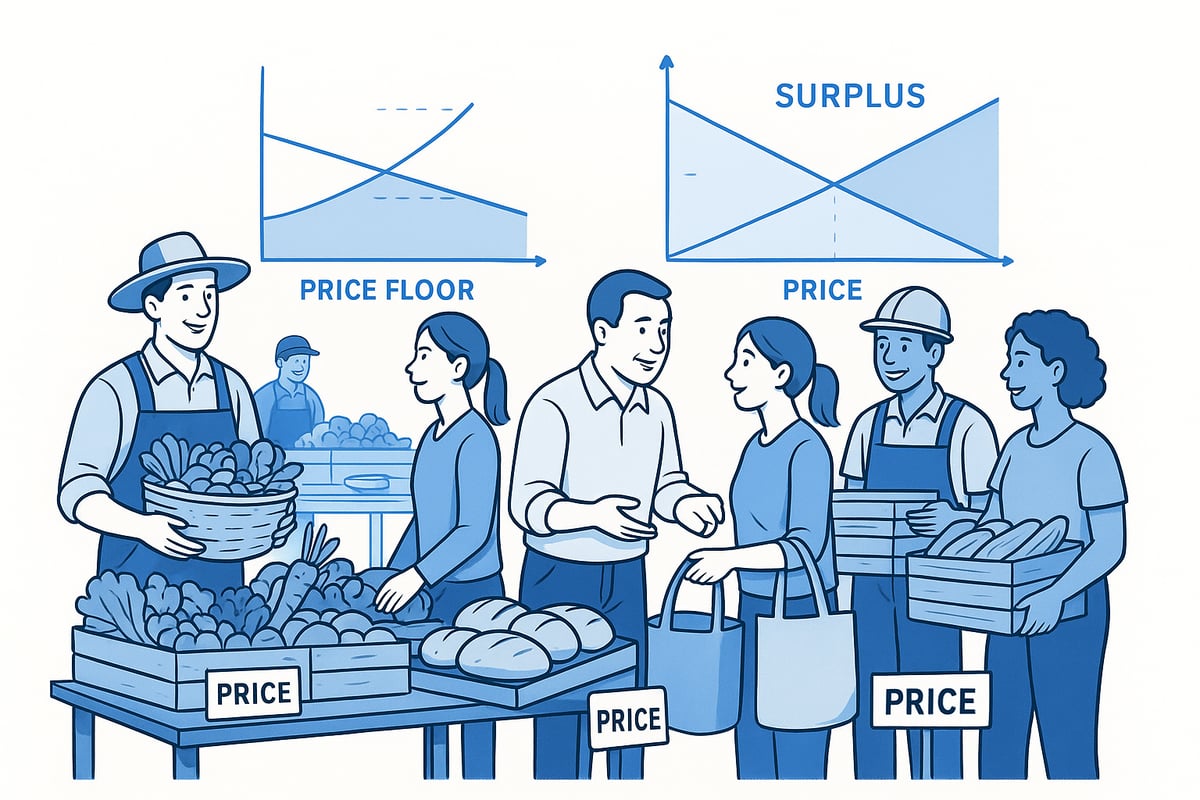
When a price floor is set above the market equilibrium, it disrupts the natural balance of supply and demand. Producers are willing to supply more at the higher price, but consumers may buy less, leading to a surplus. This excess supply can result in unsold goods or wasted resources.
Governments often intervene to manage this surplus. They may purchase the excess, impose quotas, or store the goods. A notable example is the US dairy industry, where price floor policies led to significant milk surpluses in the 1980s. The market mechanism behind a price floor can be visualized by shifts in the supply-demand curve, illustrating how higher prices reduce demand and encourage overproduction.
Real-World Examples of Price Floors
Several countries have implemented price floor policies with varying outcomes. In the US and UK, recent increases in the minimum wage have sparked debate on economic growth and employment. Canada operates marketing boards for dairy and poultry, using price floors to stabilize farmer income.
Scotland and Ireland introduced minimum alcohol pricing, leading to a 3 percent decrease in alcohol sales in Scotland’s first year. The European Union’s carbon price floor in emissions trading incentivizes cleaner energy choices. These real-world cases show the broad impact a price floor can have across sectors and regions.
Economic Impacts of Price Floors in 2025
The economic impacts of a price floor in 2025 are wide-ranging, affecting producers, consumers, government budgets, and the overall efficiency of markets. As regulations evolve, the consequences of these policies are becoming even more visible across sectors like labor, agriculture, alcohol, and energy.
Effects on Producers and Consumers
A price floor is designed to ensure producers receive a minimum income for their goods or labor. For example, farmers often benefit from higher guaranteed prices, resulting in greater income stability. This can help sustain rural economies and protect vulnerable sectors.
However, consumers may experience higher prices or fewer choices. For instance, grocery costs can rise when agricultural price floors are in place, as seen with US farm price supports. In 2022, these supports cost taxpayers $20 billion, underlining the tradeoffs involved.
Sometimes, price floor policies lead to the emergence of black markets or non-compliance, especially when the minimum price is set significantly above market equilibrium. Both labor and commodity sectors face these challenges, balancing the benefits of stability with the risks of inefficiency.
Surplus and Market Inefficiencies
When a price floor is set above the market equilibrium, it often creates a surplus. Producers supply more goods or services than consumers are willing to buy at the higher price. This excess supply can lead to waste and increased costs for governments.
For example, the European Union has faced famous cases of "wine lakes" and "butter mountains," spending €3 billion in 2021 on surplus management. These inefficiencies highlight a key drawback of price floor policies in practice.
Labor Market Case: Minimum Wage Floors
Minimum wage laws represent the most visible price floor worldwide. The impact of minimum wage increases on employment is debated, with studies showing mixed results. In 2025, several US states are raising minimum wages to $15 or more, while the UK's National Living Wage is set to rise by 9%.
Supporters argue that a price floor in the labor market reduces poverty and boosts worker well-being. Critics worry about potential job losses for low-skilled workers and increased costs for small businesses. Seattle's minimum wage experiment is often cited, with some positive results but also concerns about reduced hours for certain workers.
For a detailed look at projected impacts, see the Economic Policy Institute's analysis of the Raise the Wage Act of 2025, which explores how higher minimum wage price floors may affect different demographic groups and the broader economy.
Sectoral Impacts: Agriculture, Alcohol, and Energy
In agriculture, a price floor brings price stability and supports rural development. Canada uses minimum milk prices to protect dairy farmers, while India's Minimum Support Price covers 23 crops.
Alcohol price floors, such as those in Scotland and Ireland, aim to improve public health and reduce harmful consumption. After introducing a minimum unit price, Scotland saw alcohol sales fall by 3% in the first year.
In the energy sector, carbon price floors are used to encourage investment in renewables. The EU Emissions Trading System set a carbon floor price of €25 per tonne in 2024, with plans to increase it in 2025.
Unintended Consequences and Criticisms
Despite their benefits, price floor policies can distort markets. Overproduction, resource misallocation, and increased taxpayer burdens are common criticisms. Sometimes, these policies push consumers toward smuggling or cross-border shopping, as seen with Irish alcohol sales shifting to Northern Ireland after minimum pricing.
Debates continue about the long-term effectiveness of price floors, especially when market conditions change or when unintended side effects outweigh the intended protections for producers and workers.
Price Floors in Key Sectors: 2025 Updates and Case Studies
Price floors are shaping the landscape across multiple sectors in 2025. From the labor market to agriculture, alcohol, carbon pricing, and emerging platforms, understanding the evolving role of the price floor is essential for businesses, workers, and policymakers.
Labor Market: Minimum Wage Developments
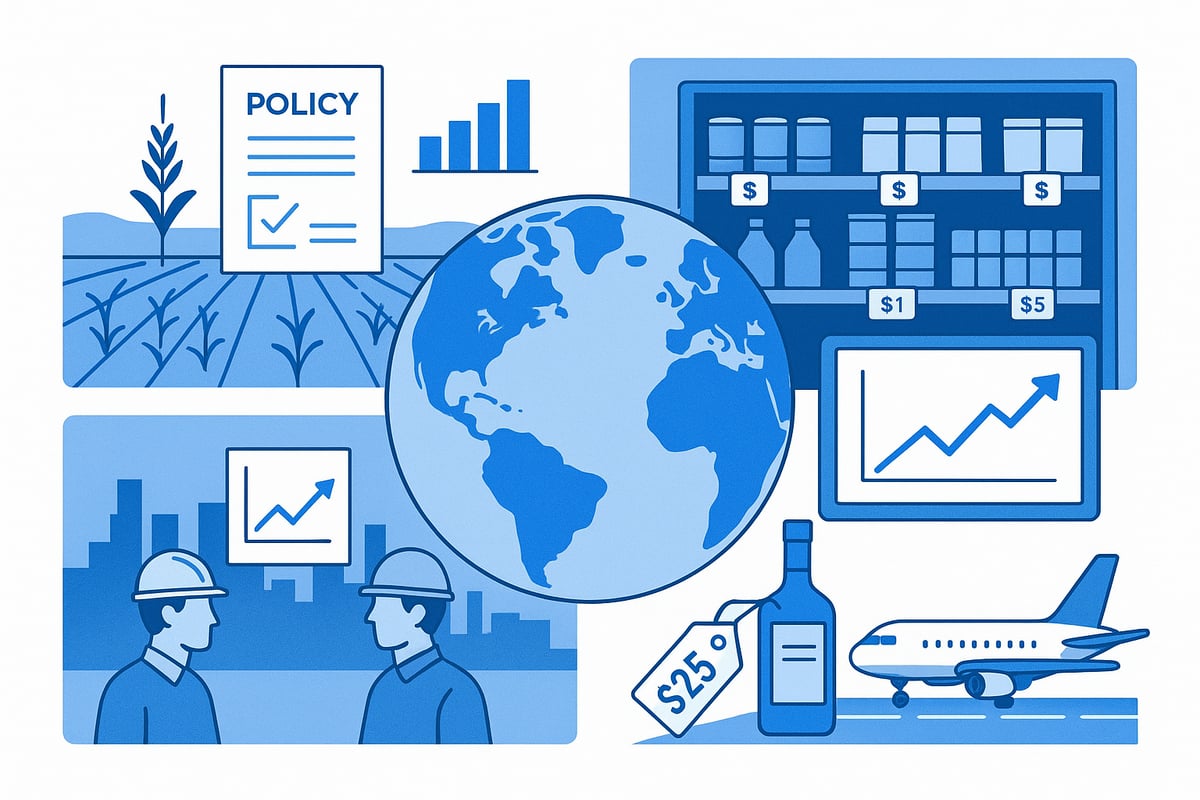
In 2025, the labor market is seeing significant shifts in price floor policies, particularly with minimum wage increases. The United States is debating a federal minimum wage hike, while many states are moving ahead independently. For example, California has implemented a $16 per hour minimum wage, setting a new benchmark for other states. The United Kingdom's National Living Wage is scheduled for a 9% increase, reflecting a broader trend across more than 30 countries revising wage floors this year.
These changes in the price floor directly impact low-income workers, small businesses, and the broader economy. Proponents argue that higher minimum wages can reduce poverty and stimulate consumer spending. Critics caution about the risk of job losses and increased costs for small employers. For a comprehensive overview of 2025's state-level minimum wage increases and policy trends, see the National Employment Law Project's report on 2025 minimum wage increases.
The ongoing debate highlights the delicate balance policymakers must strike when setting a price floor in the labor sector.
Agriculture: Food Security and Market Stability
Agricultural price floor policies are central to food security and rural economies in 2025. Countries like India maintain a Minimum Support Price (MSP) for 23 staple crops, offering farmers income stability amid market fluctuations. However, these supports sometimes lead to protests, particularly when farmers believe the price floor does not reflect actual production costs.
In Canada, supply management systems ensure minimum prices for dairy, poultry, and eggs, creating a stable market for producers. The European Union's Common Agricultural Policy continues to play a major role in stabilizing prices and supporting rural development. While the price floor helps protect farmers, critics argue it can disproportionately benefit larger producers and complicate export competitiveness.
This ongoing reliance on the price floor in agriculture demonstrates its importance for both producers and consumers, but also underscores the need for continual policy evaluation.
Alcohol and Tobacco: Public Health Price Floors
Public health outcomes are a major driver behind the adoption of price floor regulations for alcohol and tobacco. Scotland, Ireland, and Australia have all implemented minimum unit pricing for alcohol to curb excessive consumption and reduce harm. Since introducing a price floor, Scotland observed an 8% drop in alcohol-related hospital admissions, and alcohol sales fell by 3% in the policy's first year.
These price floor strategies are designed to target cheap, high-strength products most associated with harmful drinking. However, unintended consequences such as cross-border shopping and the growth of illicit markets have emerged. Policymakers must weigh these trade-offs, ensuring the price floor delivers the intended public health benefits without creating new problems.
Overall, the use of the price floor in the alcohol and tobacco sectors is a clear example of leveraging pricing policy to achieve social goals.
Carbon Pricing: Environmental Policy
Environmental policy in 2025 is increasingly centered around the use of a price floor to drive emissions reductions. The European Union Emissions Trading System (EU ETS) sets a minimum carbon price, which is scheduled to rise to €30 per tonne this year. This price floor incentivizes investment in renewable energy and low-carbon technologies, helping the EU meet its climate targets.
The United Kingdom also maintains a carbon price support mechanism, reinforcing the role of the price floor in the energy sector. These policies not only encourage cleaner production but also provide regulatory certainty for businesses planning long-term investments. The effectiveness of the price floor in reducing emissions highlights its value beyond traditional markets, extending into environmental management.
The evolution of the price floor in carbon markets illustrates the growing intersection between economic policy and sustainability goals.
Aviation and Transport: Historical and Modern Examples
The aviation and transport sectors have a unique history with the price floor concept. Before the 1978 deregulation, the US airline industry operated under price floor regulations, which ensured price stability but limited competition. In 2025, modern debates focus on minimum pricing for ride-hailing and gig economy platforms.
For example, New York City has set a minimum wage for Uber and Lyft drivers, effectively creating a price floor for gig work. More than 10 cities worldwide are considering similar measures this year. These policies aim to improve earnings for drivers and address concerns about precarious work conditions.
However, setting a price floor in these rapidly evolving sectors raises questions about flexibility, innovation, and consumer impact. The ongoing discussions reflect the challenges of applying traditional price floor logic to new economic models.
Private Sector and Emerging Markets
Private sector initiatives and emerging markets are also embracing the price floor model in innovative ways. Voluntary schemes like Fair Trade certifications establish a minimum price floor for producers, supporting ethical sourcing and improved livelihoods. Digital platforms, such as Etsy, have introduced minimum pricing rules to protect creators and ensure fair compensation.
In developing economies, the adoption of price floor policies is growing, especially in sectors where small producers face volatile market conditions. The price floor enables stability, encourages quality improvements, and supports market entry for new businesses.
As the price floor concept expands into voluntary and digital contexts, its adaptability and relevance continue to grow in 2025's dynamic global economy.
Global Trends and Policy Debates Surrounding Price Floors
In 2025, the global landscape for the price floor is evolving rapidly, as governments and industries respond to economic, social, and environmental pressures. From wage protections to environmental markets, price floor policies are drawing renewed attention and debate. Understanding these shifts is essential for anyone affected by changing regulations.
Recent Policy Shifts and International Comparisons
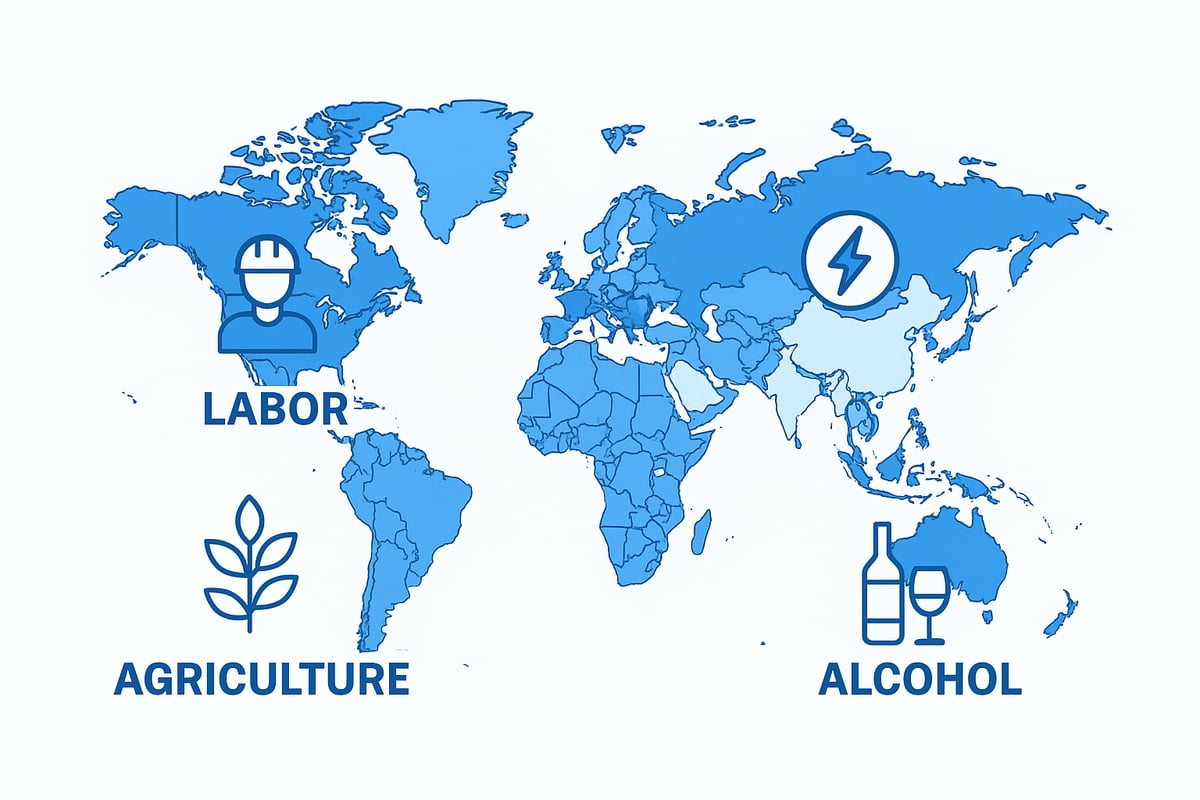
The adoption and revision of price floor regulations have accelerated in recent years. In 2025, more than 70 nations actively enforce price floor policies in sectors such as agriculture, labor, and energy. The Organisation for Economic Co-operation and Development (OECD) and World Bank have both tracked a rise in countries updating minimum wage laws and agricultural supports.
For example, the European Union maintains strong agricultural price floor supports, while the US continues to debate the future of federal minimum wage standards. Divergent approaches are clear: the EU focuses on rural stability and food security, whereas the US emphasizes market flexibility. In the labor sector, over 30 countries are set to revise minimum wages this year, reflecting inflation concerns and social demands. For a detailed summary of minimum wage and exempt pay increases around the world, visit Littler's semi-annual update on minimum wage and exempt pay increases for 2025.
International comparisons show that while a price floor can offer stability, implementation and scope vary widely. Some nations, like India, use minimum support prices for dozens of crops, while others target only strategic commodities.
Arguments For and Against Price Floors
The price floor is praised for providing income stability to producers and workers, reducing poverty, and supporting public health. Advocates argue that it protects vulnerable groups and ensures fair compensation. For instance, minimum wage floors have been linked to reduced wage inequality in many economies.
However, critics highlight potential drawbacks. The price floor can lead to higher consumer costs, market inefficiencies, and even contribute to stagflation in some cases. Policymakers must weigh the benefits of income support against the risk of overproduction and reduced market competition. For more on these unintended consequences, see Market inefficiencies and stagflation.
Economists, industry leaders, and labor unions continue to debate the overall effectiveness of price floors, often reaching different conclusions depending on sector and region.
The Role of Technology and Data in Price Floor Policy
Technology is transforming how the price floor is set and monitored. Governments now use big data analytics to track market trends and adjust policies in real time. Artificial intelligence models help predict the impact of price floor changes before they are implemented.
For example, some countries use digital platforms to collect wage data and automate minimum wage adjustments. This data-driven approach makes the price floor more responsive to economic conditions and helps minimize unintended distortions.
As technology advances, expect more dynamic and transparent price floor policies.
Trade, Globalization, and Price Floors
Trade rules have a significant influence on the price floor. The World Trade Organization (WTO) restricts trade-distorting supports, pushing countries to reconsider the scale and form of their price floor mechanisms.
Price floor policies can affect international competitiveness. For instance, strong agricultural supports in the EU have led to disputes with the US over exports and subsidies. Countries must balance domestic objectives with global trade obligations, as excessive price floor measures can trigger retaliation or limit export opportunities.
In a globalized economy, aligning price floor policies with trade commitments is increasingly complex.
The Future of Price Floors: Emerging Issues
Looking ahead, the price floor is likely to expand into new areas. Digital goods and services may see minimum pricing rules, while environmental and social justice movements push for broader protections.
Expect future price floor policies to become more adaptive, data-driven, and globally coordinated, reflecting evolving economic and societal needs.
Navigating Price Floors: Strategies for Businesses and Consumers
Navigating the complexities of a price floor in 2025 requires both strategy and adaptability. Whether you are a business leader, consumer, or policy stakeholder, understanding how these regulations affect your interests is essential for making informed decisions. Below, we outline practical approaches for businesses and consumers to thrive in a landscape where a price floor shapes market dynamics.
Adapting Business Models to Price Floors
Businesses facing a price floor must rethink their operations to remain competitive. Cost management becomes critical, prompting firms to streamline processes and invest in productivity. Some companies pivot to value-added offerings, such as organic or premium products, to justify higher prices set by a price floor.
For instance, retailers often adjust pricing strategies after new minimum wage laws, focusing on efficiency and differentiating their products. Understanding the marginal cost in pricing helps businesses avoid losses when a price floor is in place, as it directly impacts supply decisions.
Firms in agriculture or manufacturing may also diversify, seeking export markets or niche segments to offset potential surpluses. These proactive steps help sustain profitability when a price floor changes market rules.
Consumer Responses and Advocacy
Consumers often experience higher prices as a result of a price floor, especially in sectors like food, energy, or labor. Adapting involves budgeting more carefully and seeking alternatives, such as imported goods or substitute products.
Some consumers advocate for or against a price floor through public forums or by supporting organizations aligned with their interests. Transparency in pricing and clear communication from businesses empower consumers to make informed choices.
Advocacy groups may also educate the public about the benefits or drawbacks of a price floor, influencing policy debates and helping shape future regulations.
Policy Engagement and Stakeholder Strategies
Active engagement in policy discussions is vital for those affected by a price floor. Businesses may lobby for sector-specific exemptions or adjustments, while labor and producer groups often campaign for higher or lower price floors depending on their interests.
Participation in public consultations allows stakeholders to present evidence, share concerns, and influence outcomes. For example, research like the Commonwealth Foundation's research on minimum wage policies in 2025 provides valuable insights for policymakers considering trade-offs and unintended consequences.
Building alliances and staying informed about legislative developments enable stakeholders to adapt quickly as price floor policies evolve.
Monitoring and Compliance
Compliance with a price floor requires robust systems for record-keeping and reporting. Many businesses now use automated tools, such as payroll software, to ensure adherence to new minimum wage laws or sector-specific regulations.
Real-time data tracking streamlines compliance, reducing the risk of penalties. For agricultural producers, monitoring inventory and sales helps manage surpluses and meet government quotas.
Investing in technology not only eases compliance but also provides actionable insights for long-term planning in a price floor environment.
Educational Resources and Staying Informed
Financial literacy is crucial for navigating a price floor. Individuals and businesses benefit from trusted sources, including government agencies, industry associations, and academic research.
Staying up to date with changes in price floor policies and market trends helps all parties anticipate impacts and adjust strategies. Regularly reviewing credible news, attending webinars, and participating in workshops can enhance understanding and preparedness.
Tracking policy developments ensures that businesses and consumers remain agile in a shifting economic landscape shaped by price floor regulations.
As we’ve explored, price floors are reshaping everything from wages to essential goods in 2025, and understanding these shifts is more important than ever. If you want to dig deeper, spot market patterns, or gain context from past financial events, you don’t have to do it alone. Historic Financial News is building a unique platform where you can interact with historical data, AI-powered insights, and original news—tailored for curious minds like yours. If you’re ready to make smarter decisions and truly understand the forces shaping our financial world, Join Our Beta and be part of this innovative journey.