
Hyperinflation Guide: Understanding Causes and Solutions 2025
Hyperinflation has shattered entire economies, wiping out savings and fueling chaos from Weimar Germany to Venezuela. In 2025, fears of hyperinflation are growing as global shocks, rapid money supply increases, and geopolitical tensions unsettle markets. Understanding hyperinflation—its causes, warning signs, and solutions—empowers individuals, investors, and policymakers to protect themselves. This guide explains what hyperinflation is, explores its history, uncovers root causes, examines real-world impacts, highlights early warning signs, and details proven strategies for prevention and recovery.
What Is Hyperinflation? Definition and Key Characteristics
Understanding hyperinflation is essential for anyone concerned about economic stability. This phenomenon is not just high inflation but a dramatic escalation where prices rise at an uncontrollable speed. Economists typically define hyperinflation as a period when the monthly inflation rate exceeds 50 percent, a threshold far above what is considered normal inflation.
Defining Hyperinflation
Hyperinflation is distinct from regular inflation, which refers to the steady rise in prices over time. Unlike stagflation, which combines slow economic growth with rising prices and unemployment, hyperinflation is characterized by a rapid and continuous surge in prices. If you want a deeper dive into the differences, see this Understanding stagflation vs hyperinflation guide.
To measure hyperinflation, economists look at changes in the Consumer Price Index (CPI), the collapsing value of a nation’s currency, and the speed at which prices double. Some of the most extreme statistics come from history. In Hungary in 1946, prices soared so fast that the monthly inflation rate reached an astonishing 13.6 quadrillion percent. Zimbabwe in the 2000s and Venezuela in recent years have also suffered catastrophic hyperinflation, with prices doubling in days or even hours.
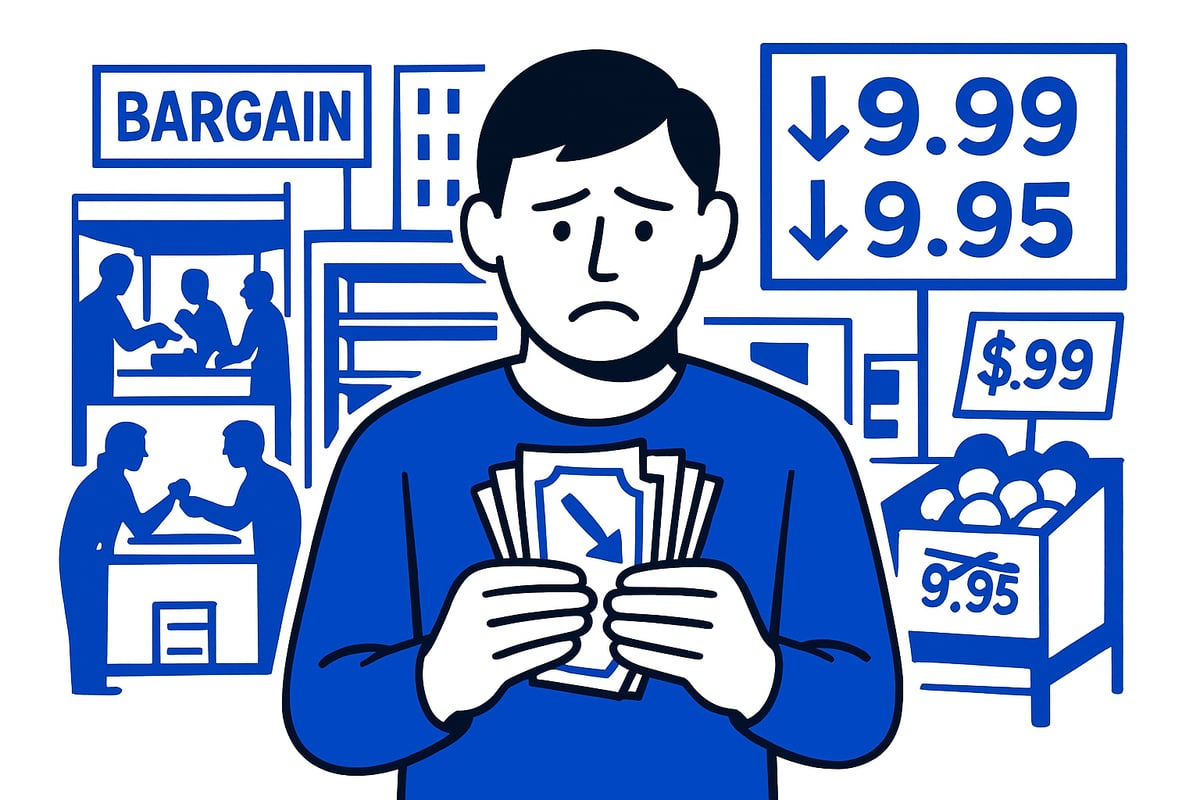
The most immediate impact of hyperinflation is the erosion of purchasing power and savings. People find that their money loses value so quickly, it becomes nearly worthless for buying goods and services. This loss of trust in currency can devastate household budgets and destabilize entire economies.
Psychologically, hyperinflation destroys confidence. Consumers and businesses lose faith in the future, making it almost impossible to plan, save, or invest. The fear and uncertainty often fuel panic buying and hoarding, further driving up prices.
How Hyperinflation Unfolds
Hyperinflation typically unfolds in several recognizable stages. It often begins with accelerating price increases, which quickly undermine the value of a country’s currency. As this process continues, people rush to spend money before it loses even more value, causing the velocity of money—the rate at which it circulates—to spike.
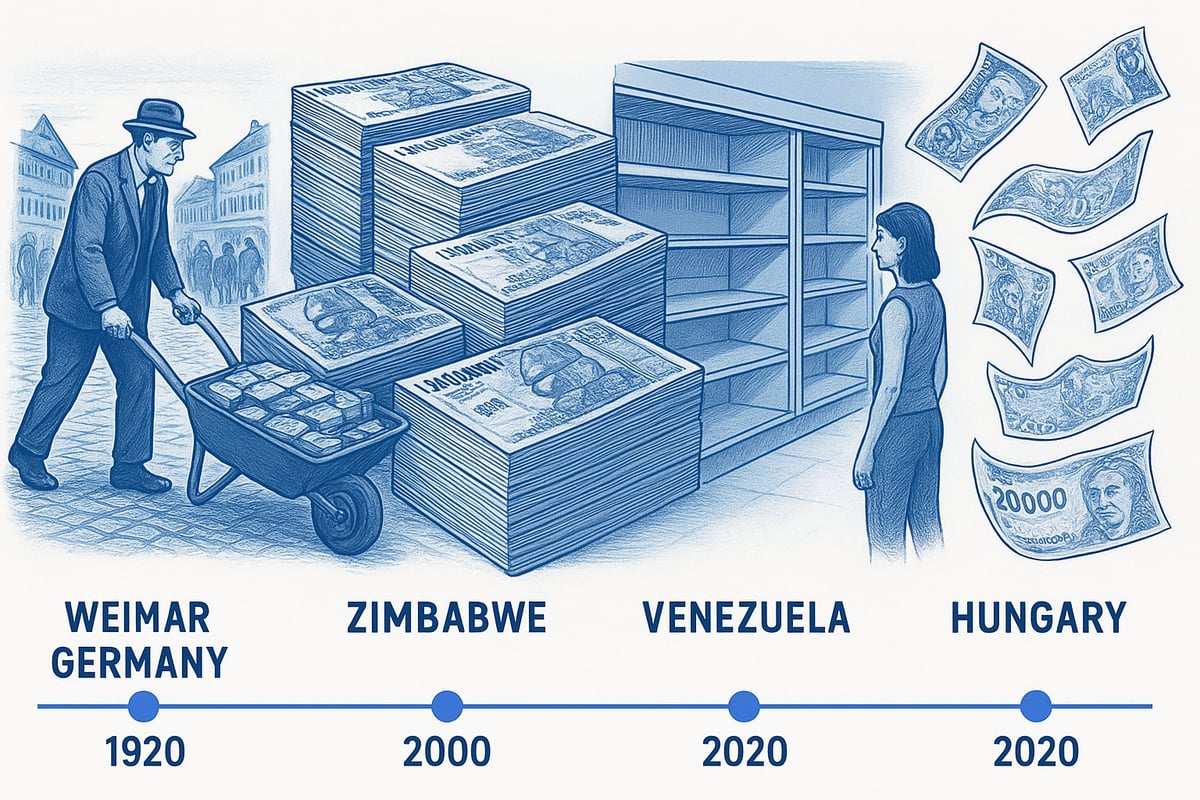
Loss of faith in the currency is a critical tipping point. When citizens and businesses no longer trust their money, they may turn to bartering or adopt foreign currencies for daily transactions. In Weimar Germany, people famously used wheelbarrows full of cash just to buy basic goods. Zimbabwe issued trillion-dollar notes that became collectors’ items rather than useful money.
As hyperinflation intensifies, normal economic activity collapses. Contracts become meaningless because prices change so rapidly. Markets often break down, and shortages of food, medicine, and other essentials become widespread.
Governments and central banks usually lose control over monetary policy during hyperinflation. Efforts to stabilize the currency can backfire if public trust has already evaporated. The cycle becomes self-reinforcing, making it extremely challenging to restore stability without drastic reforms.
Historical Hyperinflation Episodes: Lessons from the Past
Throughout modern history, hyperinflation has left deep scars on economies and societies. By examining past episodes, we gain crucial insight into the causes, warning signs, and solutions that define these financial crises.
Major Hyperinflation Case Studies
Several countries have faced hyperinflation, each with unique triggers and responses. The Weimar Republic in Germany (1921 to 1923) is one of the most studied cases. The government printed money to pay war reparations and cover deficits, causing the value of the mark to collapse. At the peak, citizens needed wheelbarrows of cash just to buy bread. You can read more about the Weimar crisis in this Hyperinflation in Weimar Germany analysis.
Zimbabwe in the 2000s saw hyperinflation spiral from land reform, political turmoil, and massive money printing. At its worst, Zimbabwe issued 100 trillion dollar notes, and prices doubled in a matter of hours. The country eventually abandoned its currency and adopted foreign money.
Venezuela’s crisis began in 2016, fueled by an oil price collapse, fiscal deficits, and currency devaluation. Hyperinflation in Venezuela led to severe shortages of food and medicine, and millions of people fled the country to escape hardship.
Hungary experienced the highest monthly inflation ever recorded, with prices doubling every 15 hours in 1946. War devastation and loss of productive capacity destroyed confidence in the pengő, which was replaced by the forint to stabilize the economy.
Other cases include Argentina’s repeated bouts of inflation, Yugoslavia’s collapse in the 1990s, and Brazil’s chronic inflation during the 1980s and early 1990s. Each case reveals different triggers, but all share the common thread of rapid money supply growth and eroding trust.
| Country | Peak Year | Monthly Inflation Rate | Recovery Action |
|---|---|---|---|
| Weimar Germany | 1923 | 29,500% | New currency (Rentenmark) |
| Zimbabwe | 2008 | 79.6 billion percent | Dollarization |
| Venezuela | 2018 | 130,060% | Currency redenomination |
| Hungary | 1946 | 13.6 quadrillion percent | New currency (forint) |
| Yugoslavia | 1994 | 313 million percent | Currency reform |
These episodes show how hyperinflation can devastate economies in just months or even weeks.
Key Takeaways from History
Looking across these cases, several patterns emerge. Hyperinflation often starts with excessive monetary expansion, usually when governments print money to finance large deficits. External shocks, such as war or commodity price collapses, can trigger or accelerate the crisis.
Loss of confidence is a turning point. Once people expect prices to rise uncontrollably, they rush to spend money, dump local currency, and seek hard assets or foreign money. This self-reinforcing spiral is hard to stop.
The consequences are severe. Hyperinflation destroys savings, erodes wages, and leads to widespread poverty. Social unrest, migration, and loss of trust in government often follow. In Hungary, for example, the pengő lost value so quickly that basic economic transactions broke down. Barter and black markets became the norm in places like Zimbabwe and Venezuela.
Recovery from hyperinflation requires bold action. Currency reforms, strict monetary policy, and sometimes international aid are essential. Governments must regain public trust, often by introducing a new currency or pegging to a stable foreign one.
Societies also adapt in creative ways. During hyperinflation, people may use foreign currencies for daily transactions, or rely on barter to meet their needs. Black markets flourish when official systems collapse.
The main lesson: hyperinflation is preventable, but once public confidence is lost, restoring stability becomes a complex and painful process.
Root Causes of Hyperinflation in 2025
Understanding the root causes of hyperinflation is essential in 2025, as more economies face growing risks. Hyperinflation does not arise from a single factor. Instead, it results from a combination of economic mismanagement, shocks, and loss of trust. Let us explore the main drivers shaping today’s hyperinflation threats.
Monetary Policy Missteps
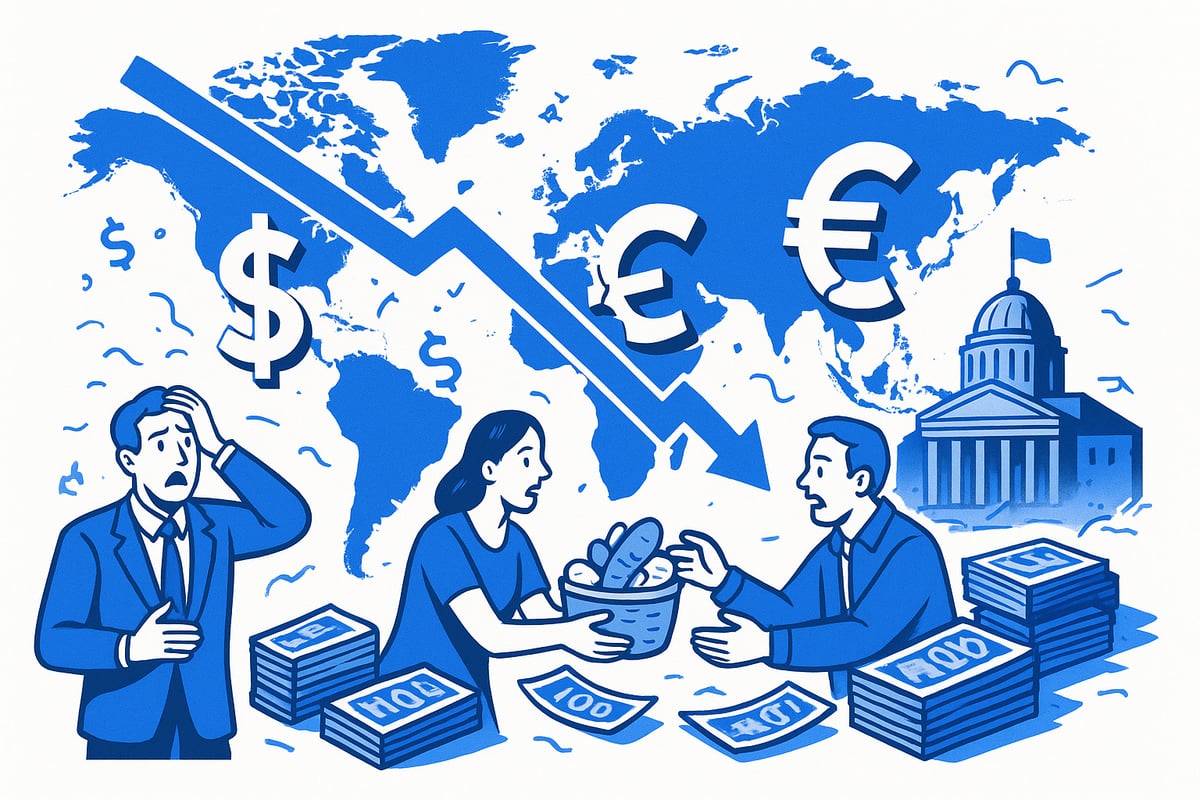
One of the most common triggers of hyperinflation is excessive growth in the money supply. When central banks print large amounts of currency to finance government deficits, the value of money erodes quickly. This process often begins with government spending that outpaces revenue, forcing authorities to rely on the central bank for funding.
A lack of fiscal discipline makes the situation worse. When budget deficits become chronic and are monetized, inflation can spiral out of control. Zimbabwe is a notable example. During the 2000s, the government printed money to pay its bills, causing the currency to lose value rapidly. This episode is detailed in Hyperinflation in Zimbabwe, illustrating how unchecked money creation can devastate an economy.
The dangers increase when there is little transparency or independent oversight of monetary policy. As the money supply balloons, hyperinflation can quickly take hold and become difficult to reverse.
External and Structural Shocks
Hyperinflation often accelerates when a country faces external or structural shocks. Supply chain disruptions, such as those caused by war, pandemics, or trade sanctions, reduce the availability of goods. When fewer goods are available but more money chases them, prices surge.
A collapse in productive capacity can also fuel hyperinflation. This often happens after political upheaval, expropriation, or conflict destroys infrastructure and undermines economic activity. For example, the loss of export revenues due to a sudden drop in commodity prices, like oil in Venezuela, further weakens a country’s finances.
These shocks strain the economy, making it harder to maintain stability. Hyperinflation becomes more likely as governments struggle to respond effectively.
Loss of Confidence and Expectations Spiral
A crucial turning point in hyperinflation is the public’s loss of confidence in the currency. Once people believe that money will lose value quickly, they rush to spend or exchange it for stable assets. This behavior increases the velocity of money, driving prices even higher.
Expectations play a powerful role. If businesses and consumers expect hyperinflation, they adjust prices and wages upward in anticipation. This self-fulfilling prophecy accelerates the crisis, making it harder for policymakers to regain control.
When faith in currency erodes, hyperinflation often enters a vicious cycle that is extremely difficult to break without drastic intervention.
Political Instability and Governance Failures
Weak political institutions and poor governance are fertile ground for hyperinflation. Governments that lack the ability or will to enforce fiscal and monetary discipline often fall into crisis. Corruption and policy inconsistency undermine trust in leadership and the economy.
Central banks must operate independently to maintain credibility. When political interference undermines their authority, inflation can quickly get out of hand. Historical examples, such as Yugoslavia’s government collapse and Zimbabwe’s leadership struggles, illustrate how instability can speed up hyperinflation.
Consistent, transparent policies are critical. Without them, even small shocks can tip an economy into hyperinflation.
Globalization and Modern Risks in 2025
In 2025, globalization has amplified the risks of hyperinflation. Financial markets are more interconnected than ever, so shocks in one country can rapidly spread to others. Digital currencies and mobile banking make it easier for capital to flee struggling economies, putting extra pressure on exchange rates and reserves.
Emerging markets are especially vulnerable. Global financial instability can trigger contagion, making hyperinflation more likely in countries with weak fundamentals. Recent IMF reports highlight several nations at risk due to volatile capital flows and fragile public finances.
The modern landscape requires vigilance. Policymakers must adapt to new challenges while learning from past hyperinflation crises.
The Human and Economic Impact of Hyperinflation
Hyperinflation leaves a lasting mark on societies, touching every aspect of daily life, business, and governance. Its effects ripple through economies, undermining stability and trust. Understanding these impacts is vital for anyone seeking to prepare for or respond to such crises.
Effects on Daily Life
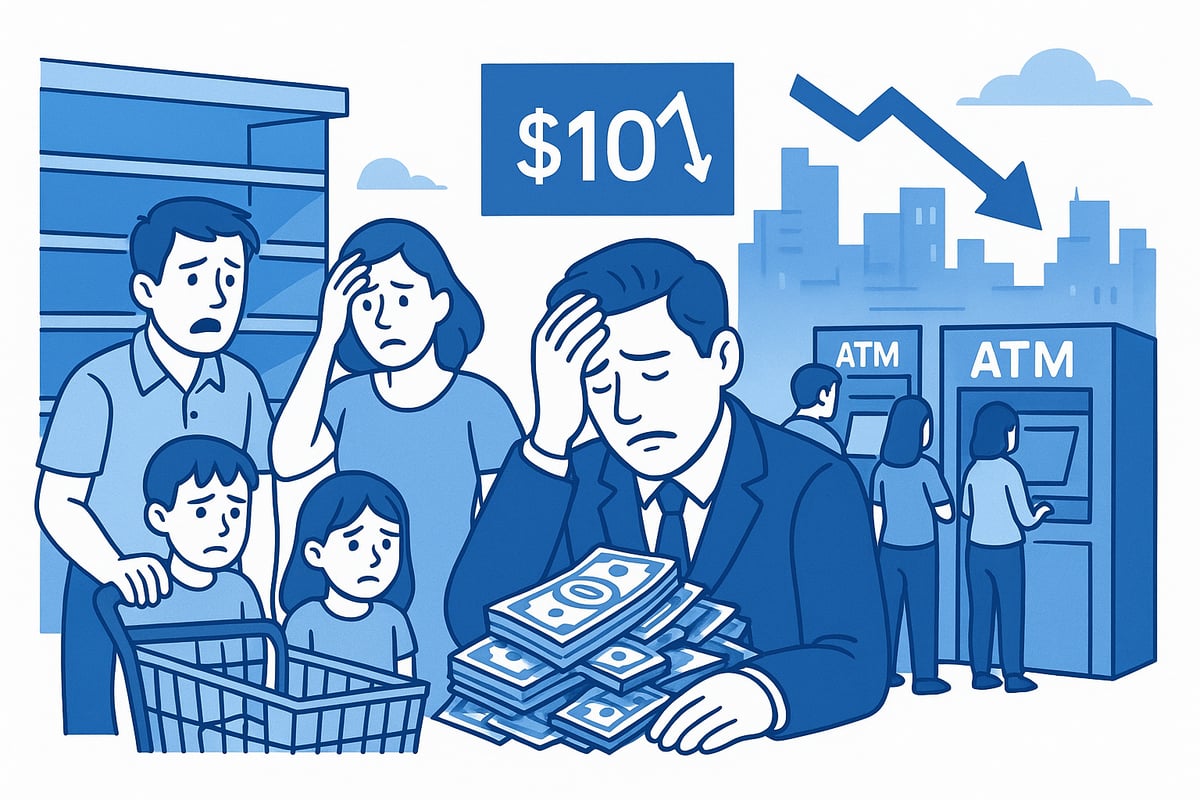
When hyperinflation takes hold, ordinary people feel the pain first. The value of money collapses, wiping out savings and making fixed incomes nearly worthless. Families cannot afford basic necessities as prices for food, medicine, and fuel soar out of reach.
Shortages become common as suppliers cannot keep up with rapidly changing costs. Public services such as healthcare and education falter, leaving communities vulnerable. Many people are forced to migrate, searching for stability abroad or in neighboring regions. The crisis in Venezuela is a stark example of how hyperinflation in Venezuela has devastated lives and forced millions to flee.
The word hyperinflation is not just an economic term, it represents a daily struggle for survival.
Business and Investment Consequences
Hyperinflation creates chaos for businesses. Contracts become meaningless as prices change by the hour. Companies cannot plan, invest, or even price their goods reliably.
Credit markets collapse, with lenders unwilling to extend loans in a rapidly devaluing currency. Investors pull out, seeking safety in hard assets like gold, real estate, or foreign currencies. Small businesses often close their doors, unable to navigate the uncertainty.
The hyperinflation environment destroys confidence, disrupts supply chains, and leaves markets in disarray.
Societal and Political Fallout
Societies under hyperinflation experience rising poverty and deepening inequality. As the cost of living spikes, many fall below the poverty line, while those with access to foreign currency or assets fare better.
Social unrest grows. Protests, riots, and strikes become common as citizens lose faith in leaders and institutions. In Germany during the 1920s and in Venezuela more recently, hyperinflation sparked mass demonstrations and political upheaval.
Trust in public officials disappears, making recovery even harder. Hyperinflation erodes not just wealth but the very fabric of society.
Long-term Economic Scarring
The effects of hyperinflation linger long after prices stabilize. Productive capacity is lost as factories close and skilled workers emigrate. Human capital suffers, with children missing school and professionals leaving for better opportunities.
Rebuilding trust in the financial system is a slow process. Countries like Zimbabwe and Venezuela have struggled for years to restore stable growth and confidence. The legacy of hyperinflation is a weakened economy, making recovery an uphill battle for generations.
Hyperinflation is more than a temporary shock; it leaves deep scars that shape a nation’s future.
Spotting Early Warning Signs and Preventing Hyperinflation
Vigilance is crucial for anticipating hyperinflation before it takes hold. By monitoring clear economic, behavioral, and policy signals, individuals and policymakers can take action early. Recognizing these signs and understanding effective prevention strategies are key to maintaining stability.
Key Economic Indicators
The first step in identifying hyperinflation risk is to track core economic data. Watch for a rapid acceleration in the money supply, especially M2 and M3 aggregates. Persistent and large fiscal deficits, often paired with rising government debt, are classic warning signs.
A sharp decline in the value of the national currency is another red flag. Depleting foreign exchange reserves can also signal mounting pressure that may trigger hyperinflation. Authorities and analysts often use the Consumer Price Index (CPI) and exchange rates to monitor these shifts.
Behavioral and Market Signals
Societal responses often offer early clues of hyperinflation. Increased use of foreign currencies or barter systems is a common adaptation when local money loses value. Widespread shortages may lead to price controls, which can worsen scarcity and black markets. For more on how price controls contribute to shortages, see The impact of price ceilings.
Public protests and a visible loss of confidence in the government are additional warning signals. As trust erodes, people may rush to spend money before prices rise further, fueling the hyperinflation spiral.
Policy and Governance Red Flags
Policy missteps often precede hyperinflation. Erosion of central bank independence is a major concern. Political interference in monetary decisions, such as forcing the central bank to finance deficits, undermines stability.
A lack of credible fiscal plans or transparent budgeting processes is another critical red flag. Weak institutions and inconsistent policies can make it much harder to restore confidence once hyperinflation begins.
- Central bank subordination
- Political meddling in financial policy
- Opaque fiscal operations
Preventive Measures
Preventing hyperinflation requires decisive action. Transparent fiscal and monetary policies are essential for building trust. Strong, independent institutions can enforce discipline and resist short-term political pressures.
International oversight, such as IMF programs or currency boards, can help restore confidence and anchor expectations. Early intervention and credible reforms are crucial to avoid the economic and social costs of hyperinflation.
By proactively monitoring these signals and taking preventive steps, countries can safeguard their economies against the devastating effects of hyperinflation.
Solutions and Recovery Strategies: How Countries Overcome Hyperinflation
Restoring stability after hyperinflation is one of the most challenging tasks any government can face. Success requires a blend of monetary reform, fiscal discipline, public trust-building, and targeted social support. Historical case studies illustrate that while each country’s path is unique, certain strategies consistently underpin recovery.
Monetary Stabilization and Currency Reform
The foundation of any hyperinflation recovery is restoring confidence in money itself. Countries have adopted several approaches:
- Introducing a new currency with robust backing, such as Germany’s Rentenmark or Hungary’s forint.
- Establishing currency boards or adopting a stable foreign currency (dollarization) to anchor expectations.
- Imposing strict limits on money supply growth and central bank lending.
A comparison of currency reform methods:
| Method | Example Country | Key Features |
|---|---|---|
| New Domestic Currency | Hungary | Backed by assets, strict limits |
| Currency Board | Bulgaria | Pegged to foreign currency |
| Full Dollarization | Zimbabwe | Uses US dollar or euro |
During Hungary’s postwar crisis, for example, the pengő collapsed and was replaced with the forint, stabilizing prices. For deeper insights on this episode, see Hyperinflation in Hungary.
Hyperinflation can only be halted when the public believes new money will retain its value. These reforms require swift action and credible commitment from authorities.
Fiscal Discipline and Structural Reform
Monetary fixes are insufficient without tackling the fiscal roots of hyperinflation. Governments must:
- Immediately stop deficit monetization.
- Consolidate budgets through spending cuts and revenue increases.
- Reform tax systems and public financial management for transparency.
Effective fiscal policy often demands unpopular choices. For instance, Brazil’s Real Plan paired monetary reform with deep fiscal adjustments. Policymakers should familiarize themselves with technical terms in this process; a financial glossary for inflation terms can be a valuable resource.
Structural reforms, such as privatization or deregulation, can also help restore productive capacity and investor confidence. Only when fiscal discipline is paired with monetary stability can hyperinflation be defeated.
Restoring Public Confidence
No hyperinflation recovery can succeed without regaining public trust. This involves:
- Transparent communication about policies and goals.
- Demonstrating credible commitments to reform.
- Rebuilding central bank independence to reassure markets.
International support is often essential. Programs from the IMF or World Bank, technical assistance, and foreign aid can help anchor expectations and provide needed resources.
For example, Poland’s shock therapy in the early 1990s combined radical transparency with clear policy signals, restoring confidence and taming hyperinflation. The psychological component is as important as the technical one in any recovery.
Social Protection and Economic Recovery
Hyperinflation devastates the most vulnerable. Social protection is critical to prevent unrest and maintain social cohesion during stabilization. Measures include:
- Targeted subsidies for food, medicine, and utilities.
- Temporary cash transfers to those most affected.
- Investments in rebuilding infrastructure and productive sectors.
Countries like Brazil and Poland paired stabilization with robust social safety nets. Encouraging private investment and entrepreneurship is also key to long-term recovery.
The economic scars of hyperinflation can persist for years, so a balanced approach—combining discipline with compassion—is essential for sustainable growth.
Lessons for Policymakers in 2025
Hyperinflation in the modern era presents new challenges, yet the core lessons remain:
- Intervene early and decisively to restore stability.
- Ensure reforms are credible and institutions are strong.
- Balance fiscal and monetary tightening with social support to avoid unrest.
- Learn from historical successes and failures, adapting strategies to today’s interconnected, digital financial systems.
Policymakers in 2025 must be vigilant, proactive, and flexible. Hyperinflation is a crisis of both economics and trust, and overcoming it requires leadership, expertise, and a deep understanding of past lessons.
References
Below are essential references and further reading materials for those interested in the topic of hyperinflation. These sources offer in-depth economic analysis, data, and case studies:
- IMF World Economic Outlook Reports (2020–2025): Annual data on inflation and country case studies.
- Reinhart, C. M., & Rogoff, K. S. (2009). "This Time is Different: Eight Centuries of Financial Folly."
- World Bank DataBank: Inflation and currency statistics by country.
- Cagan, P. (1956). "The Monetary Dynamics of Hyperinflation," in Studies in the Quantity Theory of Money.
- How monetary policy affects inflation: Analysis of market dynamics and their role in inflation and hyperinflation.
- Hanke, S. H., & Krus, N. (2012). "World Hyperinflations," Cato Working Paper.
- International Monetary Fund. "Hyperinflation in Historical Perspective."
For a comprehensive understanding of hyperinflation, consult these resources and seek out academic journals and official reports for the most current insights.
After exploring the warning signs, causes, and lasting effects of hyperinflation, it’s clear how vital it is to understand financial history if you want to make sense of today’s market risks. By learning how past crises unfolded, you can spot patterns, make informed decisions, and better protect yourself from future shocks. If you’re ready to go deeper and see how history shapes the markets we navigate now, I invite you to stay ahead by looking back. Let’s learn from the past together and empower ourselves for whatever comes next.