
Hostile Takeover Guide: Strategies & Insights for 2025
In 2025, the business world is abuzz as headlines spotlight one hostile takeover after another. These bold moves are not only transforming industries but also putting corporate leaders to the test.
Why do companies pursue a hostile takeover? The risks are high, yet the rewards can be even greater. As leaders navigate uncertainty, understanding the playbook for both acquirers and targets becomes essential.
This guide dives deep into the latest hostile takeover strategies, legal frameworks, and real-world examples. You will discover step-by-step tactics, regulatory updates, and expert insights to navigate the complex landscape ahead.
Are you ready to learn how to defend, attack, or thrive in this new era? Explore the proven strategies and actionable tips that will shape your success in 2025.
Understanding Hostile Takeovers in 2025
In the rapidly evolving corporate landscape, the hostile takeover remains a defining force. Companies across the globe are grappling with aggressive bids that can reshape entire industries. Understanding the hostile takeover process is crucial for executives, investors, and advisors looking to navigate the complexities of modern M&A.
What Is a Hostile Takeover?
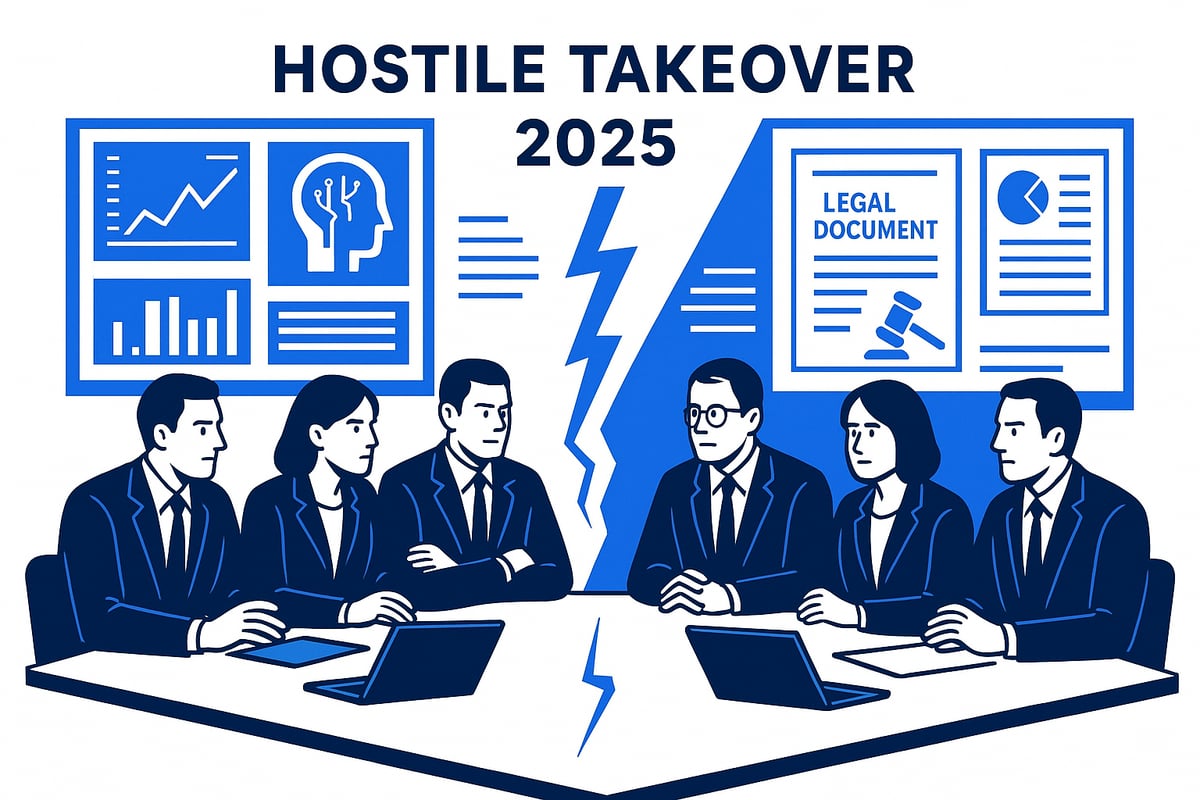
A hostile takeover is an acquisition attempt where the acquiring company bypasses the target’s management and goes directly to shareholders or fights to replace the board. Unlike friendly takeovers, which involve negotiation and mutual agreement, a hostile takeover is typically marked by resistance from the target’s leadership.
Common motivations include seizing undervalued assets, achieving strategic growth, or consolidating market share. Key players in these scenarios are the acquirer, the target company, shareholders, and regulatory bodies. In 2024 and 2025, notable hostile takeover attempts have occurred in technology, energy, and healthcare, impacting not only company leadership but also employees and industry dynamics.
Trends Shaping Hostile Takeovers in 2025
Several trends are influencing the frequency and complexity of the hostile takeover in 2025. There is heightened activity in the tech, healthcare, and energy sectors, driven by innovation and shifting valuations. Economic volatility and inflation have made some companies more vulnerable, while activist investors and private equity firms play a larger role than ever.
Digital transformation is accelerating, with AI now used for rapid deal analysis and target identification. According to Takeovers: Trends in 2025, the first half of 2025 saw a marked increase in hostile bids, particularly in North America and Europe. These factors combine to make the hostile takeover landscape more dynamic and unpredictable.
Regulatory and Legal Landscape
The regulatory environment surrounding the hostile takeover has evolved significantly since 2024. Key agencies like the SEC and FTC have updated their oversight protocols, emphasizing transparency and fair competition. International regulators are also tightening cross-border acquisition rules, making global deals more complex.
Recent updates to anti-takeover laws and shareholder rights have shifted the balance of power, giving boards new tools to resist unwanted advances. Noteworthy court rulings in 2025 have clarified legal boundaries, impacting how both acquirers and targets approach the hostile takeover process. Navigating these regulatory waters requires specialized legal and strategic expertise.
Risks and Rewards of Hostile Takeovers
Pursuing a hostile takeover offers the potential for significant financial returns, but it comes with high failure rates and substantial risks. Reputational harm, operational disruption, and regulatory pushback are common concerns for both acquirers and targets.
Data from recent deals suggest that shareholder value can be either created or destroyed depending on execution and integration. The short-term impact often includes stock price volatility, while long-term results hinge on effective post-deal management. Case studies from 2024 and 2025 reveal that while some hostile takeovers deliver impressive gains, others fall short due to misaligned strategy or underestimated resistance.
Step-by-Step Guide: Executing a Hostile Takeover in 2025
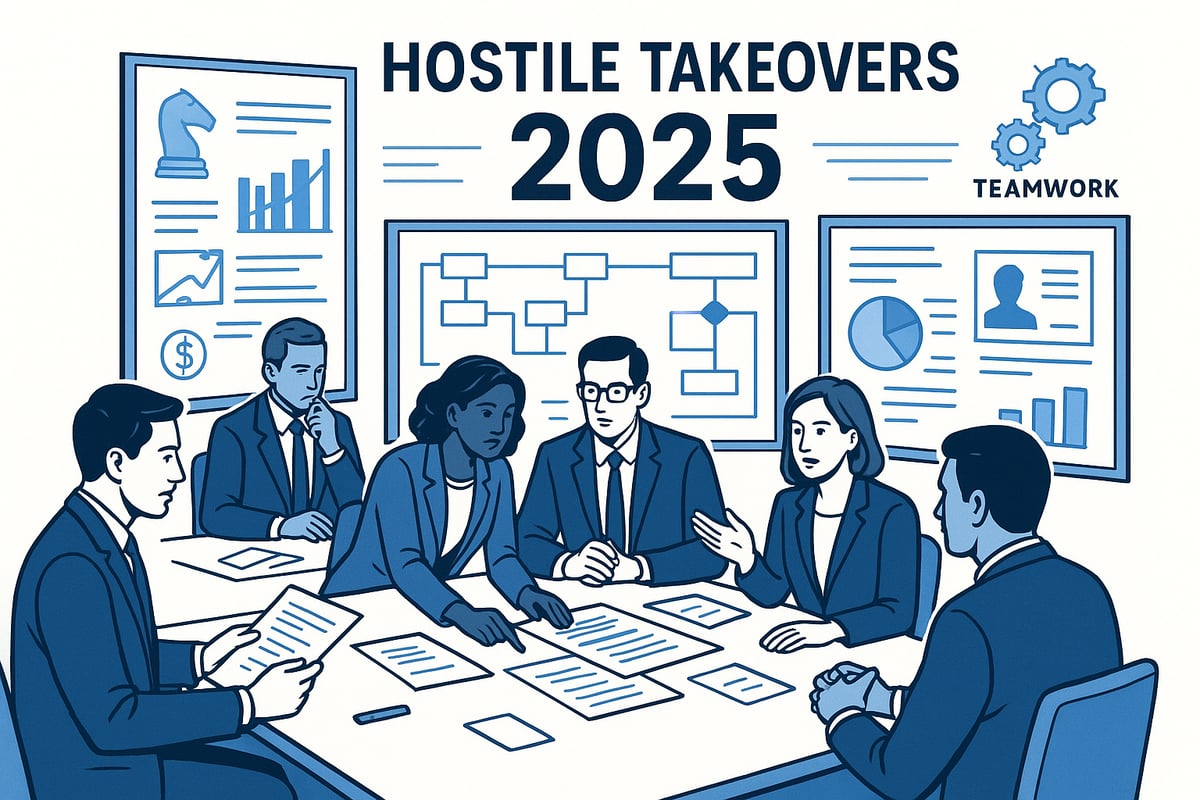
Navigating a hostile takeover in 2025 requires precision, preparation, and adaptability. Each phase is critical, with unique challenges and opportunities for both acquirers and targets. Below is a step-by-step breakdown to help you understand exactly how these high-stakes transactions unfold.
Step 1: Identifying and Assessing the Target
The first step in a hostile takeover is pinpointing the right target. Acquirers look for companies that are undervalued, have strategic synergies, or show weak defenses. Comprehensive due diligence is essential. This includes analyzing financial statements, assessing leadership, and mapping out major shareholders.
Early warning signs of vulnerability often include falling stock prices, stalled innovation, or recent management turnover. Understanding the target’s stakeholder landscape ensures you are not blindsided during negotiations. For a deeper dive into the fundamentals, see Hostile Takeovers: The Ultimate Guide.
Recent acquisition targets in tech and healthcare sectors were chosen for their intellectual property and market share, underscoring how the right target can define the success of a hostile takeover.
Step 2: Building the Acquisition Team and Securing Financing
Once a target is identified, assembling a skilled team is vital. Legal experts, financial advisors, and public relations professionals are all essential in a successful hostile takeover. Confidentiality and discretion cannot be overstated, as premature exposure may trigger defensive measures.
Financing options range from cash deals to stock swaps or leveraged buyouts. In 2025, private equity and activist investors play a larger role, often providing capital and strategic input. For example, recent bids in the energy sector involved complex funding structures to outmaneuver rival acquirers.
Ensuring your team is prepared and your financing is airtight increases your chances of executing a smooth hostile takeover from the outset.
Step 3: Making the Initial Bid and Approaching Shareholders
The next move in a hostile takeover is crafting a compelling initial offer. This means setting an attractive price, clear terms, and appropriate contingencies. Often, acquirers bypass management and approach shareholders directly through bear hug letters or public statements.
Regulatory filings such as Schedule TO and 13D are mandatory, ensuring transparency and compliance. Managing leaks and controlling the media narrative is crucial, as public opinion can affect shareholder sentiment.
Notable bear hug tactics in 2025 included digital campaigns and targeted communications, putting pressure on boards to respond quickly. This step sets the tone for the rest of the hostile takeover process.
Step 4: Overcoming Management Resistance
Management teams rarely welcome a hostile takeover. Expect a range of defensive tactics, from poison pills to staggered boards. To counter these, acquirers must build alliances with key shareholders and sometimes challenge for board seats through proxy fights.
Legal strategies, including litigation or tender offers, may be necessary to compel a deal. Success often hinges on understanding the target’s governance structure and anticipating resistance.
Proxy battles in 2025 demonstrated that shareholder engagement and clear messaging can tip the scales. Overcoming resistance is often where a hostile takeover is won or lost.
Step 5: Closing the Deal and Integration Planning
Securing final regulatory approvals is a major milestone in a hostile takeover. This includes navigating antitrust reviews and international regulations. Post-acquisition, integration planning is crucial to maintain operational stability and retain critical talent.
Effective communication with stakeholders, especially employees and customers, minimizes disruption. In 2025, integration success rates improved when acquirers prioritized culture and transparency from day one.
Statistics show that careful integration planning can enhance long-term value, making this step essential in the hostile takeover journey.
Common Pitfalls and How to Avoid Them
Executing a hostile takeover comes with risks. Common pitfalls include underestimating the target’s defenses, overpaying, or failing to anticipate regulatory obstacles. Poor integration planning can erode value even after a successful bid.
Lessons from failed takeovers in 2024 and 2025 highlight the importance of realistic valuations and proactive risk management. Avoiding these traps requires thorough preparation and constant vigilance.
By learning from past mistakes, you can improve your odds of a successful hostile takeover and safeguard your investment.
Defensive Strategies: How Companies Protect Against Hostile Takeovers
In a climate where the hostile takeover is on the rise, companies must proactively fortify themselves. Defensive strategies have become essential tools for boards and executives seeking to maintain control and protect stakeholder interests. Let’s explore the most effective tactics organizations are using in 2025 to deter unwanted advances.

Classic and Modern Defense Mechanisms
Companies employ a mix of time-tested and innovative defenses against the hostile takeover. Classic methods include the poison pill, which allows shareholders to buy more stock at a discount, diluting the acquirer’s stake. Staggered boards, where directors are elected in phases, slow down takeover attempts. Golden parachutes offer lucrative exit packages to executives, raising acquisition costs. Modern tactics have evolved, such as white knight or white squire alliances, where a friendly party steps in to acquire a significant stake. For a deeper dive into these strategies, see the Hostile Takeover Defense Strategy. In 2025, data shows a resurgence of these defenses, particularly in sectors facing frequent hostile takeover attempts.
Legal and Regulatory Defenses
Legal frameworks are critical in defending against a hostile takeover. State anti-takeover statutes, like recent updates to Delaware law, provide companies with more robust protections. The SEC and FTC have refined guidance, clarifying disclosure requirements and tightening rules on rapid stake accumulation. Litigation is often used to delay or block hostile bids, buying valuable time for the target. Shareholder voting structures, such as supermajority provisions, can further complicate acquisition efforts. In 2025, several targets have successfully leveraged new legal precedents, highlighting the importance of a strong regulatory defense when facing a hostile takeover.
Communication and PR Tactics
Effective communication is a powerful defense in a hostile takeover scenario. Shaping public and shareholder opinion can influence deal outcomes. Companies now engage media proactively, use social platforms to rally support, and provide transparent updates. Mobilizing employees and customers, through open letters or campaigns, helps build a united front. Transparency and consistent messaging are best practices, as confusion can fuel uncertainty. A recent case demonstrates how a well-coordinated PR campaign swayed shareholder votes and deterred a hostile takeover, proving that the narrative is as important as the numbers.
Board and Management Actions
Board and management teams play a pivotal role in hostile takeover defense. Strategic reviews, sometimes called the “just say no” defense, communicate a firm rejection of unsolicited offers. Accelerating value creation through new initiatives can make the company less attractive to acquirers. Proactively engaging with activist investors and refreshing the board’s composition can address underlying vulnerabilities. Governance improvements, such as separating the roles of CEO and chair, often strengthen the company’s position. Recent examples show that decisive board maneuvers have successfully discouraged hostile takeover bids in 2025.
When to Negotiate: Turning Hostility into Opportunity
Sometimes, negotiation is the best defense against a hostile takeover. Recognizing when to engage with acquirers can help extract better terms for shareholders. Settlement agreements and standstill arrangements may transform a hostile situation into a mutually beneficial deal. In 2025, several notable hostile bids shifted to friendly negotiations, resulting in higher premiums and more favorable outcomes for all parties. The key lies in balancing robust defense with the willingness to explore value-maximizing opportunities, ensuring that a hostile takeover, if inevitable, delivers optimal results for stakeholders.
Key Insights & Lessons from Recent Hostile Takeovers
Hostile takeover activity has surged in 2024 and 2025, with major deals capturing media attention and reshaping entire sectors. By examining recent hostile takeover case studies, we can identify what drives success, what pitfalls loom, and how various stakeholders are impacted. This section distills the key lessons from the latest market data and real-world outcomes.

Case Studies: 2024-2025 Hostile Takeovers
Several high-profile hostile takeover attempts have unfolded in the tech, healthcare, and energy sectors during 2024 and 2025. For example, a leading software giant launched an unsolicited bid for a cybersecurity firm, which responded with a robust defense. In healthcare, an activist investor targeted a pharmaceutical company with undervalued assets, while energy saw a cross-border hostile takeover that prompted regulatory scrutiny.
| Sector | Acquirer | Target | Outcome | Deal Premium |
|---|---|---|---|---|
| Technology | Software Leader | Cybersecurity Firm | Defense Held | 22% |
| Healthcare | Activist PE Fund | Pharma Company | Acquired | 29% |
| Energy | International Conglomerate | Utility Provider | Settled (Friendly) | 17% |
Many of these cases have triggered a resurgence in defensive tactics, as highlighted in Hostile M&A Activity Could Spur Comeback of Takeover Defenses. These examples reveal that every hostile takeover leaves an imprint on market dynamics and future deal structures.
What Makes a Hostile Takeover Succeed or Fail?
The outcome of a hostile takeover often hinges on several critical factors. Timing is everything—acquirers who move when a target is most vulnerable see better odds. Preparation, including deep due diligence and scenario planning, helps avoid surprises. Shareholder engagement is vital, as winning over large investors can tip the scales.
Common missteps include misjudging management’s resistance or overestimating potential synergies. Leadership and negotiation skill, especially during boardroom battles or proxy fights, often determine the final result. In 2025, advisors note that clear communication and adaptability remain top predictors of success in any hostile takeover.
Impact on Shareholders, Employees, and Markets
A hostile takeover can create dramatic shifts in shareholder value, both in the short and long term. Some deals deliver immediate premiums, with average gains of 18–28% for accepting shareholders. Yet, failed attempts can depress stock prices and erode confidence.
Employees are often caught in the middle. Morale may dip during uncertainty, and post-deal integration can lead to talent loss. Meanwhile, competitors and markets watch closely, reacting to new industry leaders or changed dynamics. In 2025, the ripple effects of a hostile takeover can last well beyond the closing bell, influencing sector strategies and investor sentiment.
The Role of Technology and AI in Hostile Takeovers
Technology is transforming every stage of the hostile takeover process. AI-driven tools now automate due diligence, quickly analyzing vast financial and operational data. Predictive analytics are used to forecast deal success rates and identify early warning signs of resistance.
Automation streamlines legal and compliance tasks, reducing human error and speeding up regulatory filings. Digital platforms enable real-time shareholder engagement, making it easier to communicate bid details or counter arguments. In 2025, firms leveraging advanced tech enjoy a clear edge in conducting a successful hostile takeover.
Ethical Considerations and Public Perception
Every hostile takeover brings ethical questions to the forefront. Companies must balance shareholder value with broader stakeholder interests, including employees, customers, and the community. Environmental, Social, and Governance (ESG) factors are increasingly influencing both acquirer and target strategies.
Public and media scrutiny has intensified, with regulators demanding greater transparency and fair practices. Some targets have mounted ESG-driven defenses, highlighting their social contributions to sway investor opinion. Ultimately, the reputation built or lost during a hostile takeover can shape a company’s future far beyond the boardroom.
Future Outlook: Hostile Takeovers Beyond 2025
The landscape of hostile takeover activity is expected to evolve rapidly beyond 2025. Industry leaders, investors, and regulators are preparing for new challenges and opportunities as global markets shift. Understanding what lies ahead is crucial for anyone involved in mergers and acquisitions.
Predicted Trends and Market Dynamics
Looking forward, several sectors are poised for increased hostile takeover activity. Technology, renewable energy, and healthcare are expected to lead, driven by innovation and ongoing consolidation. Global economic conditions, such as fluctuating interest rates and inflation, will shape deal-making strategies.
The continued rise of activist investors and cross-border transactions will add complexity to the market. Regulatory environments are also shifting, with new frameworks being discussed to address emerging challenges. Experts predict that companies with digital agility will have a competitive edge in the hostile takeover landscape.
Evolving Strategies for Acquirers and Targets
As the hostile takeover environment changes, both acquirers and targets are developing new tactics. Legal teams are focusing on updated anti-takeover tools, and financial advisors are leveraging AI-powered analytics to identify opportunities and risks.
Collaboration between international partners is becoming more common, especially in multi-jurisdictional deals. Hybrid deal structures, blending friendly negotiations with traditional hostile takeover approaches, are gaining traction. Legal and financial advisors emphasize the need for continual adaptation in this dynamic field.
The Importance of Agility and Preparedness
Companies that succeed in the face of a hostile takeover often prioritize agility and readiness. Proactive risk assessment, scenario planning, and ongoing board training are vital components of a robust defense.
Regular engagement with shareholders helps build trust and reduces vulnerability. By embedding resilience into corporate governance, organizations can respond quickly and effectively to hostile takeover threats. A notable example from 2025 showed how swift adaptation enabled a company to turn a potential crisis into an opportunity for growth.
Resources for Staying Informed and Prepared
Staying ahead in the hostile takeover arena requires access to reliable resources. Leading M&A advisory firms, such as PwC’s Deals Insights, offer up-to-date analysis and strategic advice.
Industry publications, professional networks, and conferences provide valuable perspectives on current trends. Building an internal “takeover response” playbook, supported by ongoing education and scenario drills, ensures teams are ready for any challenge. Investing in knowledge and preparation remains essential for navigating future hostile takeover events.
As you’ve seen throughout this guide, understanding the nuances of hostile takeovers in 2025 means looking beyond the headlines and digging into the strategies, legal shifts, and real-world examples shaping today’s market. If you want to sharpen your instincts, spot emerging patterns, and truly grasp the forces at play, there’s no better way than exploring financial history with interactive tools and expert insights. We’re building a platform designed for curious minds like yours—where history and innovation meet to empower your next big decision. Ready to see the bigger picture? Stay ahead by looking back